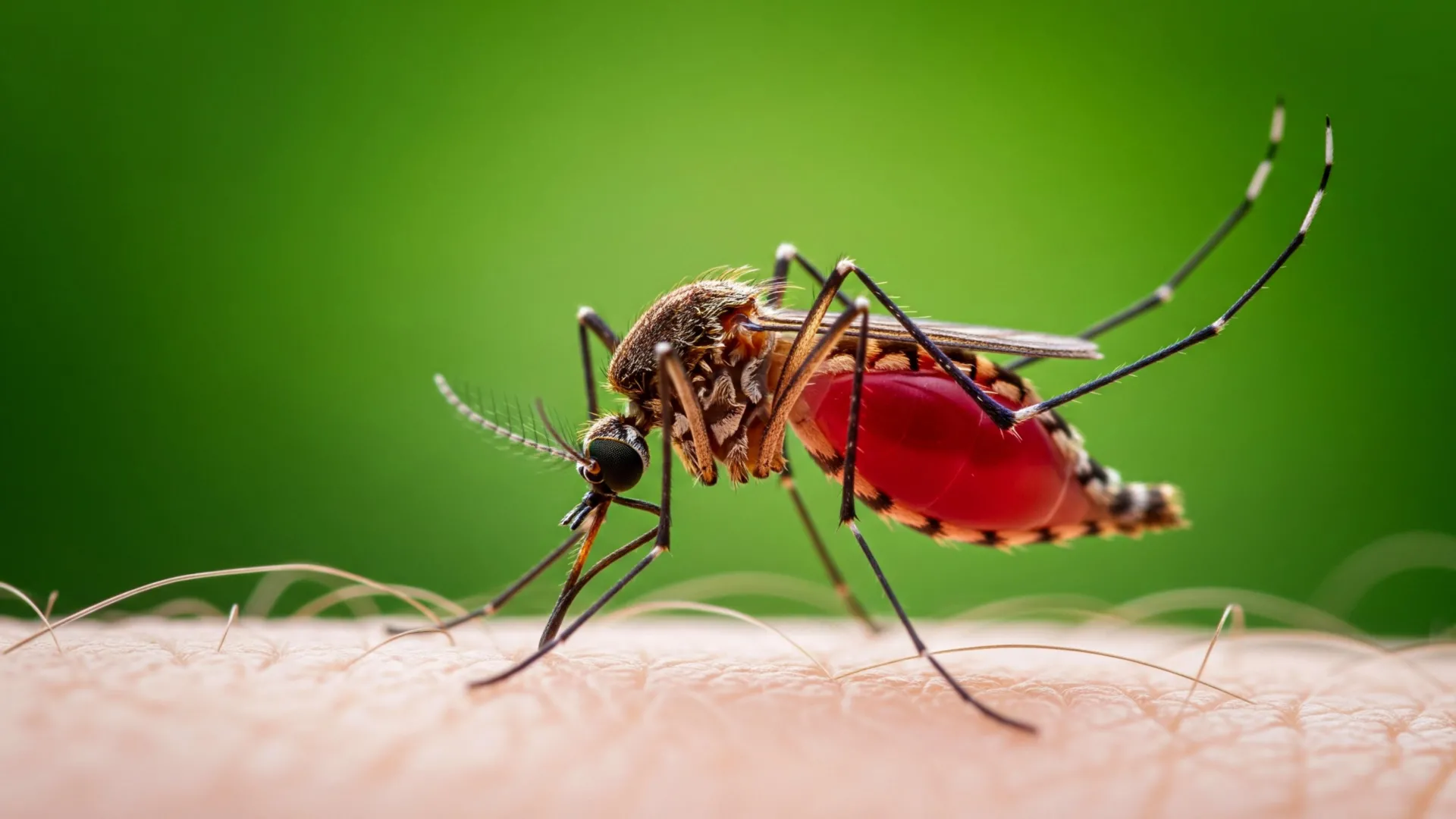
Researchers at Florida International University tested how three dangerous mosquito species responded to 119 human volunteers and found that each species preferred different people. The study, published in iScience, revealed that no single participant attracted all three species.
The team investigated Aedes aegypti, Aedes albopictus (Asian tiger mosquito), and Culex quinquefasciatus (southern house mosquito), which spread yellow fever, dengue, Zika, West Nile, and other diseases. Led by Ph.D. student Kaylee Marrero, the investigation directly compared how multiple mosquito species reacted to the same participants.
"We didn't expect the species to prefer different people when we started the study," Marrero said. "Each species having a distinct microbial signature that they use as a cue was so surprising to me."
The researchers collected samples of participants' body odors and skin microbiomes alongside preference tests. Human skin releases more than 1,000 volatile organic compounds. The results showed strong connections between mosquito preferences and differences in participants' chemical and microbial skin makeup.
Matthew DeGennaro, a neurogeneticist who leads the research team and directs the Biomolecular Sciences Institute at FIU, said that isolating human odor components could lead to targeted prevention strategies. "This connected so well with the differences in skin bacteria and odors," DeGennaro said. "It is clear to me now that our skin microbiomes define our human odor signature. Each species found its own way to decode that signature."
The findings could lead to species-specific repellents and help public health strategies by allowing communities to focus on the particular mosquito species responsible for spreading disease in their region.