Scientists at the Cary Institute of Ecosystem Studies in Millbrook, New York, have spent more than 35 years tracking how ticks, mice, oak trees, and other forest organisms interact to influence Lyme disease risk. Their findings, published in Proceedings of the National Academy of Sciences, reveal unexpected patterns that challenge conventional understanding of how the disease spreads.
White-tailed deer were long assumed to drive rising tick populations because they host adult ticks. However, researchers found no statistically significant connection between deer numbers and the abundance of nymphal ticks, which transmit most Lyme disease infections to humans, on the institute's 2,000-acre research property in Dutchess County, New York.
Mouse populations proved a much stronger predictor. Years with large white-footed mouse populations were followed by approximately 40% more nymphal ticks the next year. White-footed mice provide excellent blood meals for tick larvae and effectively transmit Borrelia burgdorferi, the bacterium that causes Lyme disease.
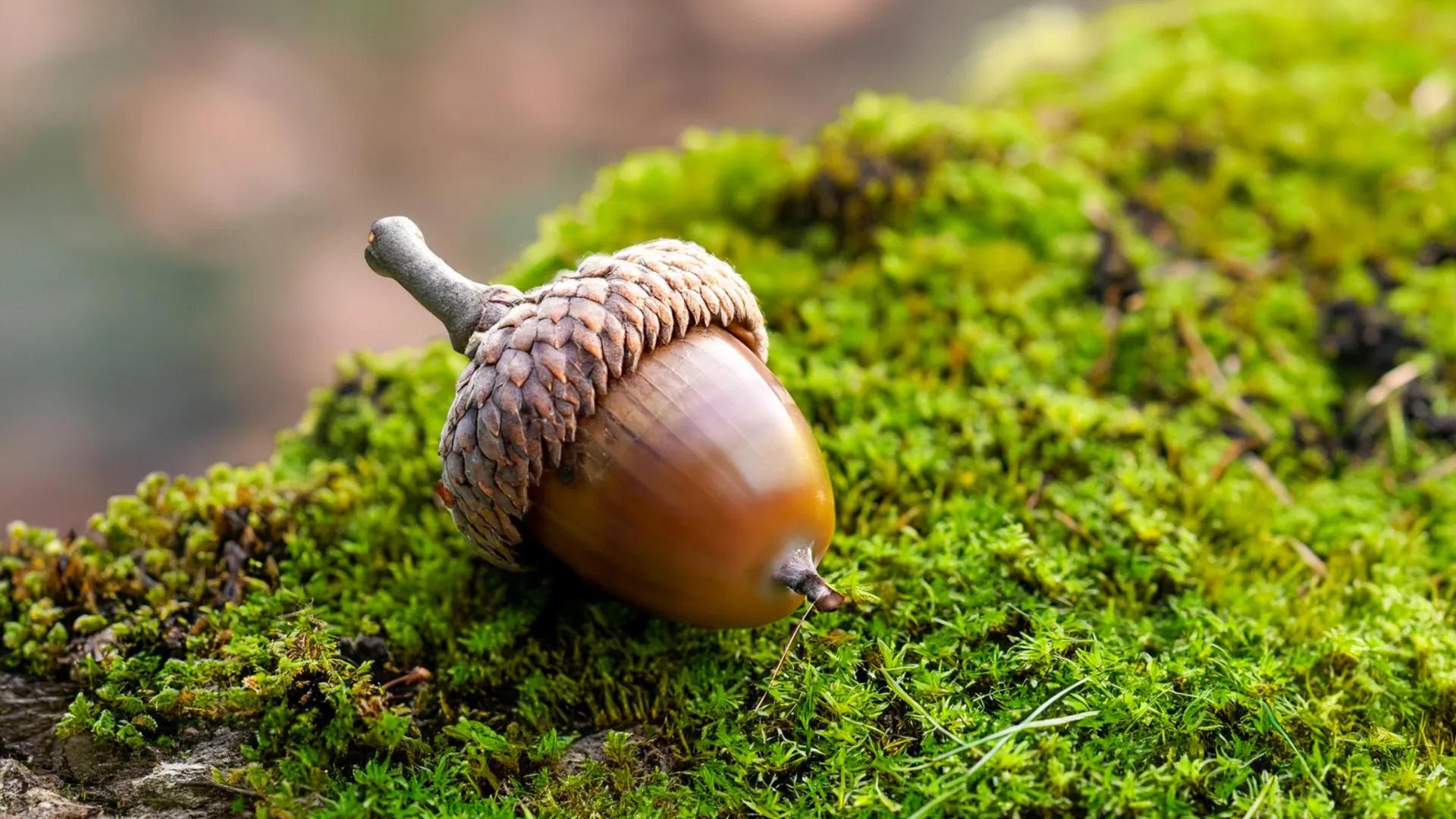
The research uncovered an even more surprising link. Oak trees periodically produce exceptionally large acorn crops in synchronized events called acorn masting. These abundant food sources allow mouse populations to expand the following year, which then supports larger tick populations. A particularly heavy acorn crop can predict an increase in nymphal ticks two years later.
Lead author Richard Ostfeld noted that higher mouse populations do not consistently predict what percentage of ticks will carry Lyme disease bacteria. The explanation involves other animals that host feeding ticks. Skunks, squirrels, and opossums are less effective at transmitting the bacterium than mice. When these animals are abundant, more larval ticks may feed on hosts unlikely to infect them, reducing the percentage of infected nymphs even when mouse populations are high.
Laboratory experiments suggested extreme heat and cold could kill blacklegged ticks, but field observations showed ticks survive these conditions by retreating into deeper soil or hiding under leaves. The relationship with temperature proved complex. Warmer years tend to produce fewer nymphal ticks than usual, yet warmer conditions also favor mouse populations, which increase tick numbers.