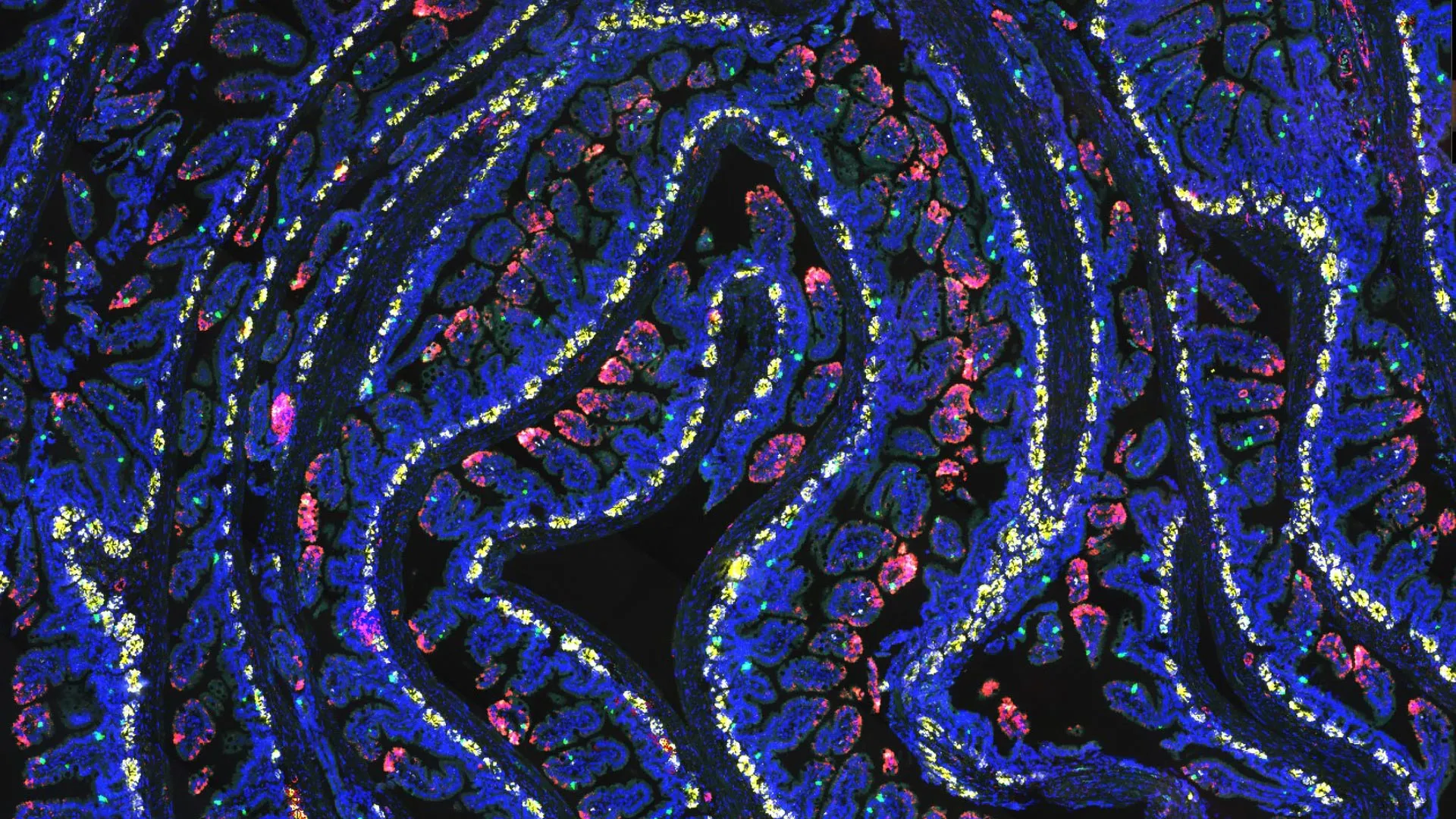
Researchers at The University of Texas MD Anderson Cancer Center found that a 24-hour fast triggers intestinal repair mechanisms in combination with a specific gut bacterium, according to preclinical research published in the Proceedings of the National Academy of Sciences.
The study, co-led by Helen Piwnica-Worms and Kunal Rai, identified that fasting increases the abundance of Akkermansia muciniphila, a bacterium that produces propionate. This substance helps modify histone proteins in intestinal cells, making DNA more accessible and allowing cells to activate genes involved in tissue regeneration.
When researchers selectively removed the bacterium, fasting no longer produced the same regenerative benefits. The protective response returned only when the bacterium was restored alongside fasting, demonstrating that both components were necessary.
"Fasting helps prepare intestinal cells to respond more quickly and effectively after injury, almost like training the cells with an emergency preparedness plan," Piwnica-Worms said in a statement.
Radiation therapy damages the small intestine's delicate lining in patients treated for abdominal cancers, potentially causing nausea, diarrhea, infections, and life-threatening complications. Previous preclinical research from Piwnica-Worms' laboratory showed that fasting before radiation helped intestines recover, but the mechanism was unclear until now.
The research remains preclinical. Additional human studies will determine whether the same mechanism operates in cancer patients and whether it can safely improve outcomes during radiation therapy. Researchers are also exploring whether similar repair effects could be achieved through dietary interventions or targeted microbes without requiring fasting, which may be impractical for cancer patients.
The work was funded by the National Cancer Institute and the Cancer Prevention and Research Institute of Texas.