Nic Rawlence, an associate professor in ancient DNA at the University of Otago, argues that New Zealand should establish a dedicated natural history museum to showcase the country's unique biodiversity and geological record.
New Zealand's isolation has produced species found nowhere else, including horopito, which has the most primitive flower of any living plant, and the hihi or stitchbird, the only member of its entire avian family. The country is also home to fossils of global significance, such as New Zealand's first dinosaur fossil discovered by palaeontologist Joan Wiffen and an eight-million-year-old giant crab from Taranaki.
Rawlence notes that the Museum of New Zealand Te Papa Tongarewa, while conducting world-class research, cannot adequately display this heritage due to space constraints. He proposes consolidating collections currently scattered across institutions, including Te Papa's holdings, fossils and marine species at Earth Sciences New Zealand, arthropods and fungi collections, the Allan Herbarium at the Bioeconomy Science Institute, and the University of Otago's geology museum.
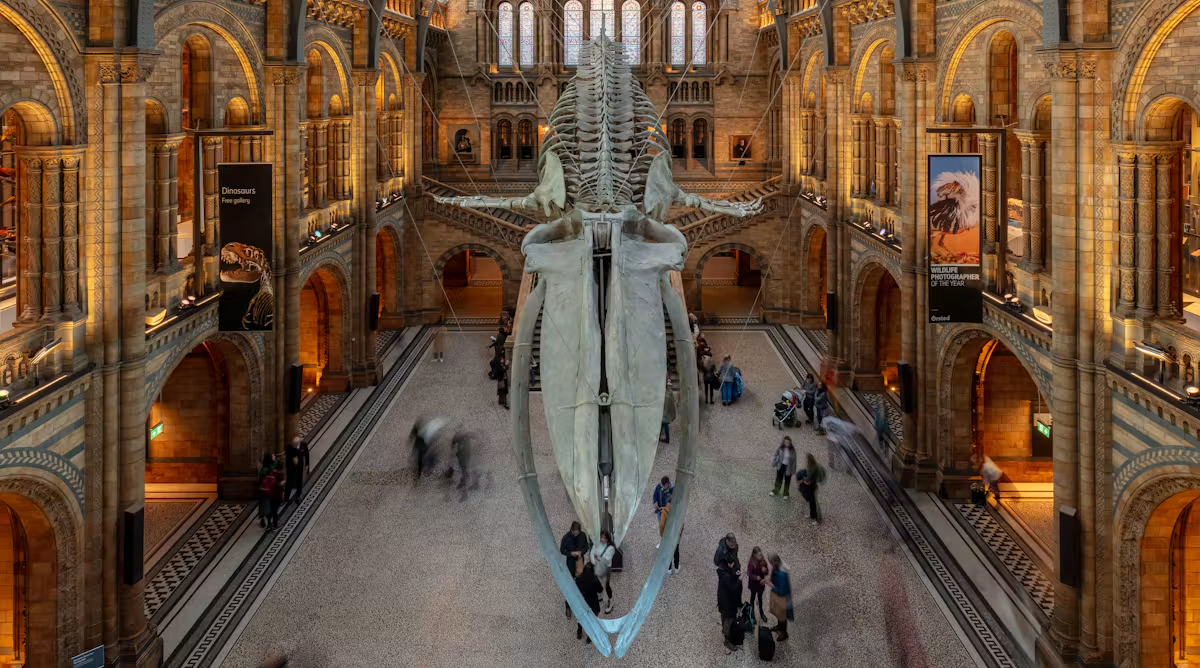
A dedicated museum could place New Zealand's biodiversity in global and evolutionary context. Rawlence suggests displays of whale skeletons illustrating their evolution from land to sea, or exhibitions explaining how life evolved on Earth through fossils and living specimens.
Rawlence acknowledges that natural history museums require core government funding, as most core activities are not financially viable. He notes that museums in New Zealand contributed at least NZ$1.1 billion to the country's GDP in 2023. He also states that a new museum working with mana whenua (local Māori groups) could address the colonial history of museum collections and contested objects.