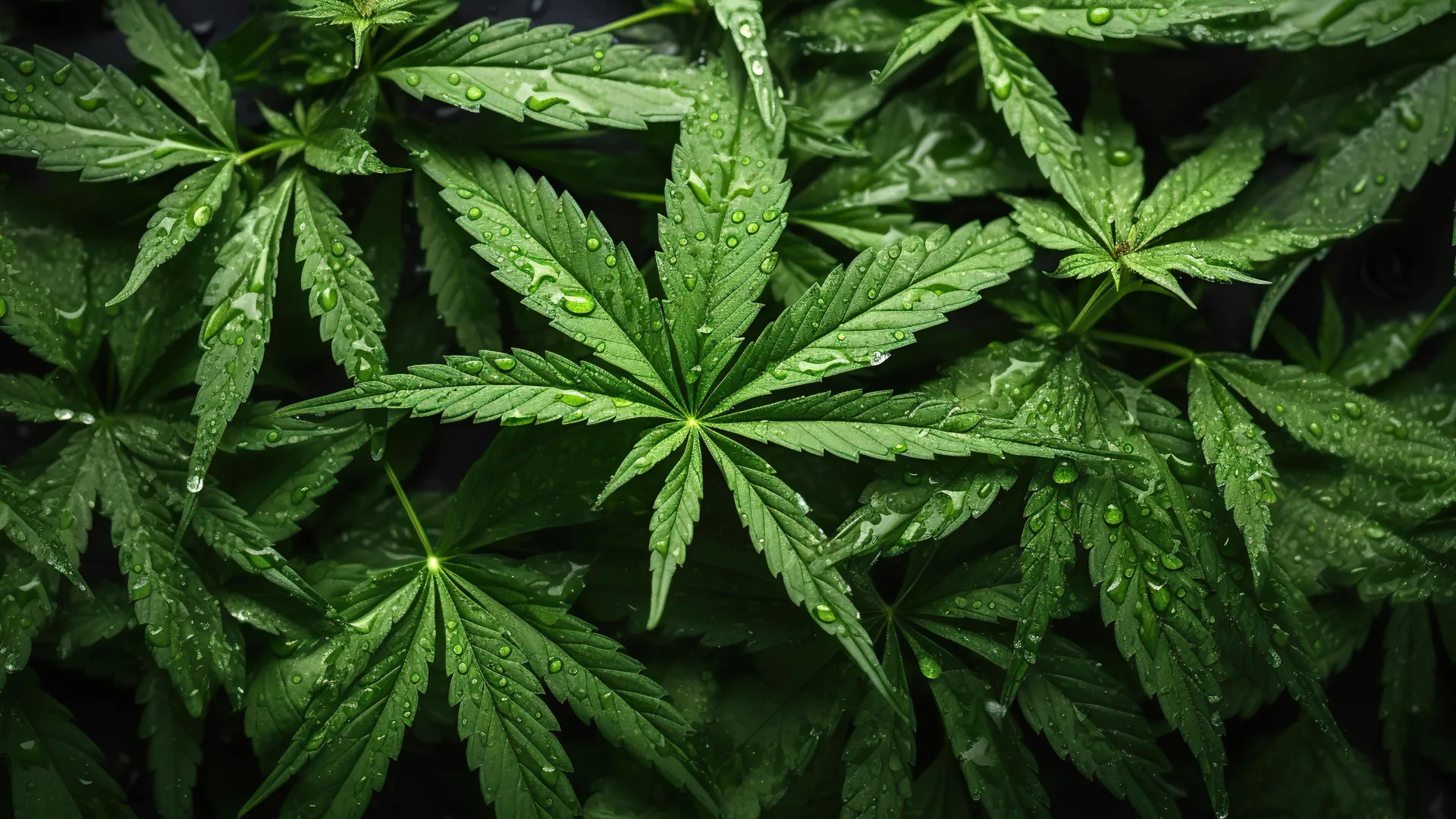
An international team led by Dr. Gino Caspari at the University of Bern and the Max Planck Institute of Geoanthropology studied a nearly 2,800-year-old Scythian tomb in the Republic of Tyva in southern Siberia. Researchers recovered approximately 1,000 cannabis seeds from the burial site and used radiocarbon dating to establish that six individual seeds dated to the early eighth century B.C.
Chemical analysis of human hair preserved in the tomb's central burial chamber revealed traces consistent with cannabis consumption. Using high-resolution mass spectrometry, the team identified chemical signals matching cannabinol (CBN) in several samples. CBN forms when tetrahydrocannabinol (THC), the compound responsible for cannabis intoxication, undergoes oxidation. Weaker signals matching THC were also detected.
"The molecular traces in the hair and the cannabis seeds come from the same grave and suggest that cannabis was used for its intoxicating properties," Caspari said.
The findings represent the oldest directly dated archaeological evidence known for cannabis use associated with intoxication. The results were published in the journal Science.
The cannabis remains were discovered within an elaborate ceremonial burial containing extensive horse sacrifices. Researchers identified the remains of 18 horses deliberately positioned on the burial mound, with additional evidence of several dozen more sacrificed horses and scattered human bones.
Caspari noted that the evidence cannot establish how much cannabis was consumed or the exact method of consumption, though individuals may have inhaled smoke or consumed the plant another way. The researchers are now sequencing genetic material from the ancient plant remains to investigate questions about the THC content and whether Scythian communities had begun deliberately cultivating higher-potency varieties.