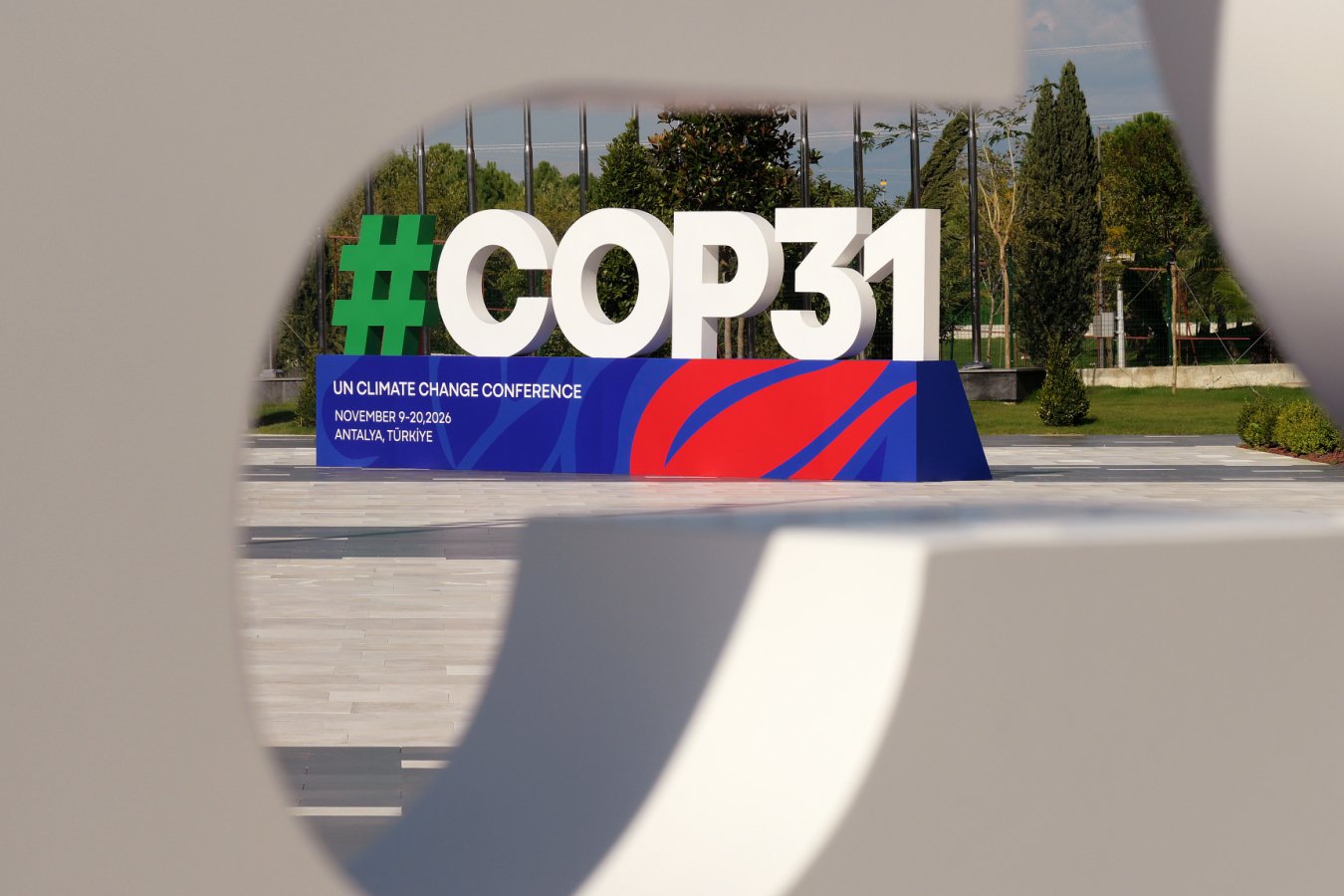
Researchers and officials are questioning whether United Nations climate summits deliver meaningful progress as countries gather for COP31 in Antalya, Turkey next week. After decades spent negotiating the Paris Agreement in 2015 and establishing its rules by 2021, the summits have drifted into disputes over financing and wording of statements. Last year's summit could not agree on mentioning fossil fuels in the final agreement.
Energy analyst Jan Rosenow recently pointed out that electricity currently provides about 23 per cent of energy delivered to consumers but powers sectors making up 46 per cent of the global economy. An electrification pledge being promoted by Turkey's presidency would commit countries to increasing electricity's share of final energy consumption to 35 per cent by 2035.
If the world's economy transitioned to a highly electrified state powered by renewables, total primary energy use would fall by almost 50 per cent, according to Rosenow's analysis. Electric power is more efficient than burning fuel, and geopolitical instability plus high oil and gas prices make energy security benefits of electrification obvious.
China and Indonesia are ahead of both the US and the UK on electrifying their economies, while India and Brazil are catching up fast. Some efforts are underway behind the scenes to redesign these meetings as useful events for the clean energy transition. Annual climate meetings could become opportunities for countries to share best practices on energy transition rather than fight over wording.