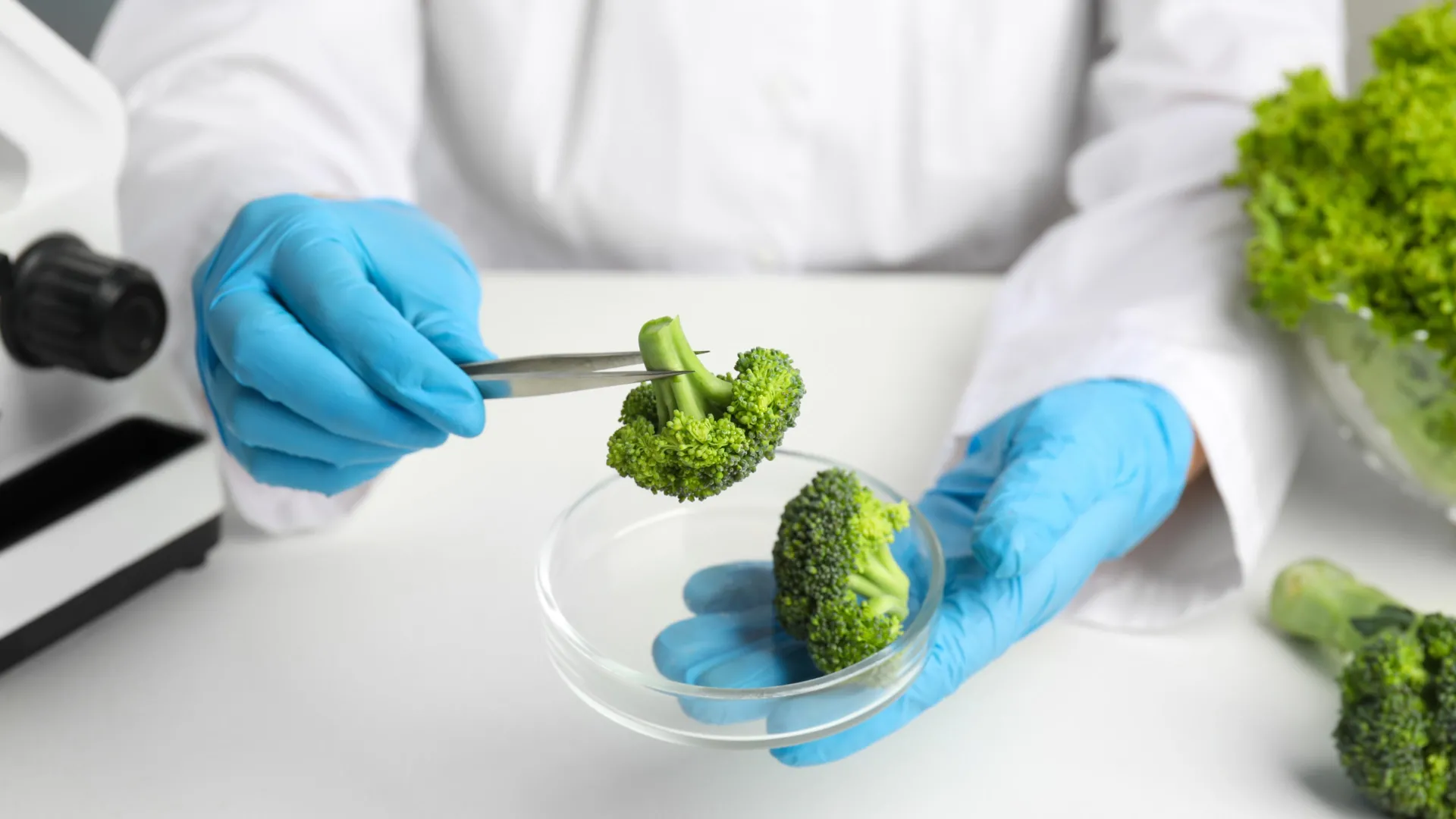
Researchers at Swinburne University have found that sulforaphane, a naturally occurring compound in broccoli, may help treat Friedreich ataxia, a genetic disease that causes progressive damage to nerve cells in the brain and spinal cord. The compound appears to increase levels of frataxin, a protein that is present in insufficient amounts in people with the disease, and can help protect vulnerable nerve cells from damage.
Friedreich ataxia causes patients to gradually lose their ability to coordinate movements, walk, and speak. The condition can shorten life expectancy and has no cure. Approximately 200 Australians live with the disease.
Associate Professor Faith Kwa, the lead researcher, noted that children account for a large proportion of those affected, yet no treatments specifically approved for pediatric patients are currently available. "Friedreich ataxia is a devastating rare genetic disease that progressively steals a child's ability to walk, speak, play, and ultimately survive," she said.
Sulforaphane appears promising because it may address multiple sources of damage at once, including cellular stress and inflammation. The compound has an established safety record in both children and adults, and purified, biologically active forms are commercially available.
The researchers hope to secure funding for clinical trials to examine whether sulforaphane can deliver the same promising effects in people living with the disease. Kwa stated that "if clinical trials prove successful, its rollout could accelerate the path to patient impact." She noted that the rarity of Friedreich ataxia creates challenges for researchers in attracting funding for investigation of potential treatments.