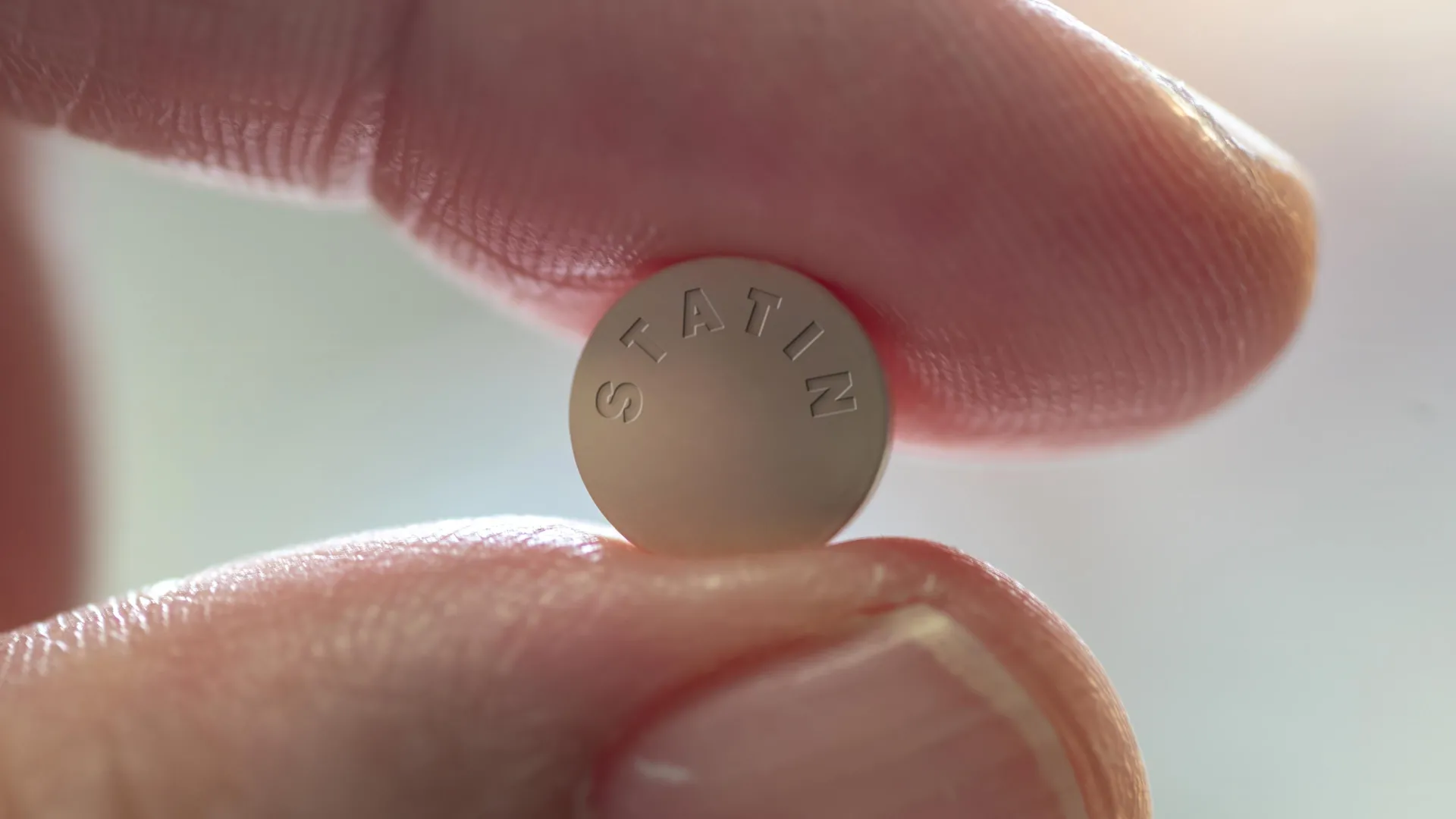
A clinical trial comparing two approaches to statin prescription found that coronary calcium scans and traditional risk scores produced equivalent rates of major cardiovascular events over 4.2 years, even though the scans led to far fewer statin recommendations.
The CorCal Outcomes trial enrolled 5,772 patients from Intermountain Health Care in the United States with an average age of 64 and no previous history of atherosclerotic cardiovascular disease or diabetes. Researchers randomly assigned patients to receive statin recommendations based either on pooled cohort equations, a standard risk calculator using age, cholesterol, blood pressure, and smoking status, or on coronary artery calcium measurements detected by CT scan.
After 4.2 years of follow-up, 2.7% of patients in each group experienced major cardiovascular events, including death from any cause, heart attacks, strokes, or procedures to restore blood flow through blocked arteries. The hazard ratio was 0.99 (95% confidence interval 0.71 to 1.38). However, the study did not meet its predetermined statistical requirement for demonstrating that the calcium scan approach was not meaningfully worse than conventional risk assessment.
Participants evaluated using traditional risk scores received statin recommendations more than three times as often as those guided by calcium measurements. Among patients advised to take statins, those whose recommendations were based on calcium scans showed substantially higher adherence rates: 62% versus 23%, making them approximately 2.7 times as likely to follow their medication regimen.
"For far too many patients, the first symptom of ASCVD is a heart attack," said Dr. Joseph B Muhlestein from Intermountain Medical Center, the principal investigator. He noted that many younger adults who experienced their first heart attack would not have been classified as high-risk under conventional screening methods.
Researchers presented the findings in a Hot Line session at ESC Congress 2026. Dr. Muhlestein stated that additional studies are needed to determine whether the calcium scan approach offers a better strategy for preventing cardiovascular disease.