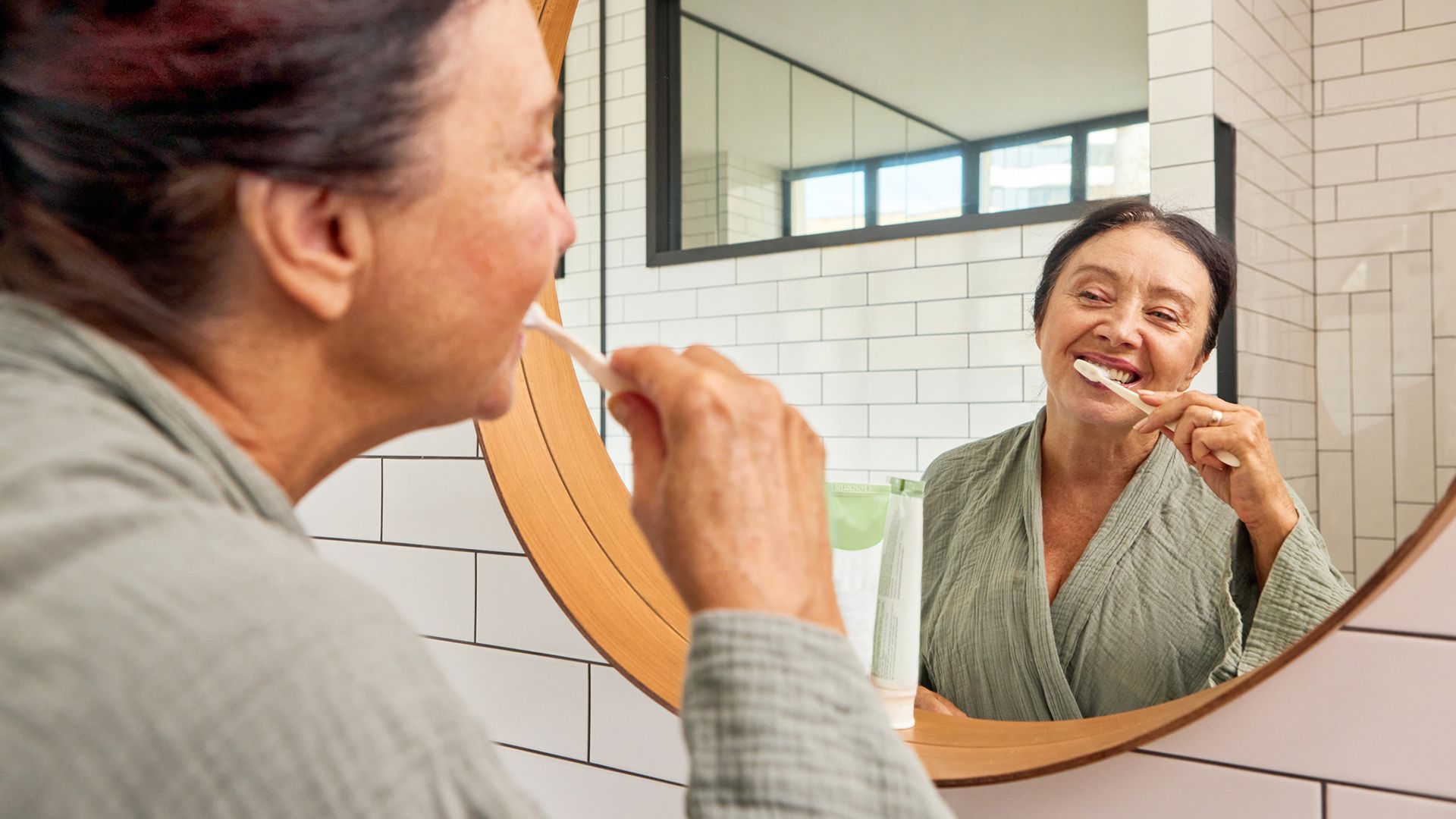
A toothbrush with bristles that generate electricity when bent has shown promise in laboratory and early human tests against cavity and gum disease bacteria. Researchers developed the brush using polyvinylidene fluoride (PVDF), a piezoelectric plastic that produces an electrical charge as bristles flex during brushing. This charge triggers chemical reactions in saliva and water that release reactive oxygen species (ROS), highly reactive molecules that damage bacterial cells.
In lab tests on isolated germs, the electrified bristles killed more than half of Streptococcus mutans bacteria, which contribute to tooth decay, compared to 9% killed by nylon bristles. The brush reduced Porphyromonas gingivalis, linked to gum disease, by up to 78%, versus less than 8% for nylon. When researchers added an antioxidant that neutralizes ROS, the antibacterial effect largely disappeared, suggesting ROS drives the effect.
The team tested the brush on plaque biofilms grown on cow tooth enamel and found it removed more than 99% of the biofilm, outperforming nylon brushes. In a three-month human trial with 115 adults who had gum inflammation or tooth decay, participants using the electrified brushes twice daily showed less plaque, less gum inflammation, and less bleeding than those using ordinary brushes. Plaque samples from the electrified brush group had lower levels of disease-linked bacteria and higher levels of beneficial bacteria.
The PVDF bristles retained their structure and electrical properties over three months of simulated use. Lab-grown mouse cells showed no damage when repeatedly exposed to brush material, and brushing on cow tooth enamel did not increase surface roughness. However, the researchers reported these findings Wednesday, Nov. 4, in Science Advances.
Nicholas Jakubovics, an oral microbiologist at Newcastle University in the U.K. who was not involved in the study, cautioned that larger clinical studies are needed. He noted that lab tests expose bacteria to electricity for hours, whereas in the mouth bristles contact tissues for very short periods. He also questioned the team's explanation about how the brush affects bacterial genes involved in making ATP-binding cassette transporters, saying the findings did not clearly show how these genetic changes affected the bacteria.