China imports millions of donkey hides from Africa annually, driven by demand for ejiao, a traditional Chinese medicine made from donkey hide gelatin. Lauren Johnston, an economist and China trade specialist at the University of Adelaide, published the book "China, Africa and the Market for Donkeys" detailing the trade's scale and consequences.
Ejiao has been used for millennia in traditional Chinese medicine to treat fatigue, dizziness, dry cough and irregular bleeding. Its reputation centers on collagen-rich composition and bioactive peptides produced during processing. Johnston notes that while pharmacological research has identified potentially beneficial properties, the extent of clinically established therapeutic effects remains contested. The medicine was historically consumed only by imperial elites, but industrialized production over recent decades has transformed it into accessible products ranging from cakes and drinks to cosmetics, with premium versions selling for thousands of renminbi.
Meeting demand requires 4-5 million hides annually, far exceeding China's donkey supply. The Donkey Sanctuary, a UK-based welfare organization, estimates China imports more than three million hides yearly, of which 25-35 percent come from stolen animals. A single hide fetches over $400 in China.
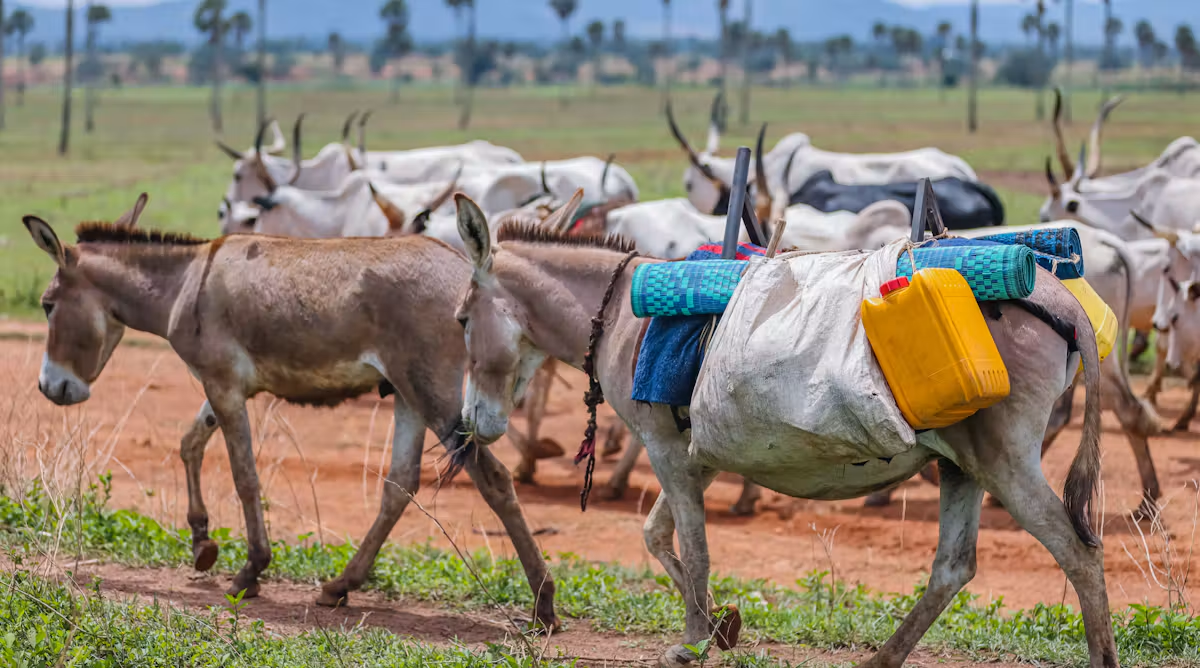
Africa holds about two-thirds of the world's donkeys. As China's supply ran short around 2010, Ethiopia, Kenya and Tanzania became early targets. Porous borders and inconsistent regulation have made enforcement nearly impossible. In South Africa, donkey prices climbed from about $30 in the late 2010s to $125 by 2022. The loss or unaffordability of donkeys devastates rural households, particularly women and girls who depend on them for water and firewood collection. Donkeys save women about five hours of labor weekly and children about ten hours.
The February 2024 African Union Summit backed a 15-year continental moratorium on slaughtering donkeys for hides, following the 2022 Dar es Salaam Declaration. Implementation remains imperfect, requiring each member country to change and consistently enforce laws. The trade has been linked to organized crime, inhumane slaughter and biosecurity risks.