Joshua Yuan, a chemical engineer at Washington University in St Louis, Missouri, and his team created a waterproof coating inspired by suberin, a natural compound plants use to transport water through their internal structures. The coating combines paper industry waste and animal fat, which self-assemble into a continuous waterproof layer when spray-coated onto glass, metal, and cotton surfaces.
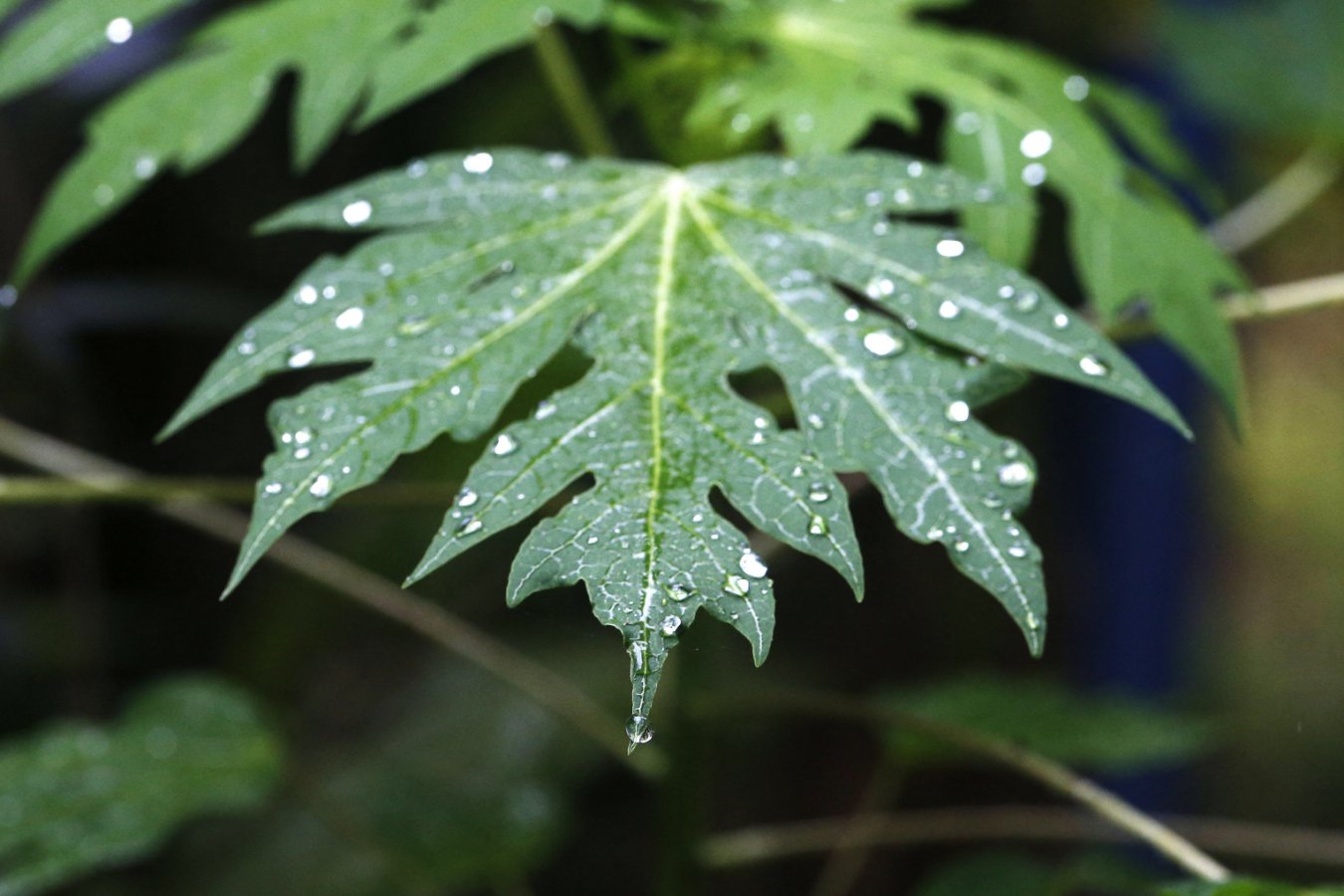
Unlike PFAS coatings, which rely on carbon-fluorine bonds to repel water, the new coating works through a nanostructured surface that traps air pockets, minimizing contact between the material and water droplets. Han Zuilhof, an organic chemist at Wageningen University & Research in the Netherlands, explained this mechanism mirrors the lotus effect seen on plant leaves.
Tests showed the coating resisted limescale contamination and mechanical wear while achieving water resistance comparable to state-of-the-art PTFE coatings. Carlo Antonini, a materials scientist at the University of Milano-Bicocca in Italy, noted that textiles will face PFAS restrictions soon, making this a potentially valuable alternative.
The coating breaks down completely under composting conditions without releasing harmful residues, Zuilhof confirmed. The team is exploring applications in food packaging, such as drink can linings, though the coating's lower heat tolerance compared with PTFE excludes bakeware for now.