# Biological Computer Powered by Human Blood Cells Controls Robotic Dog
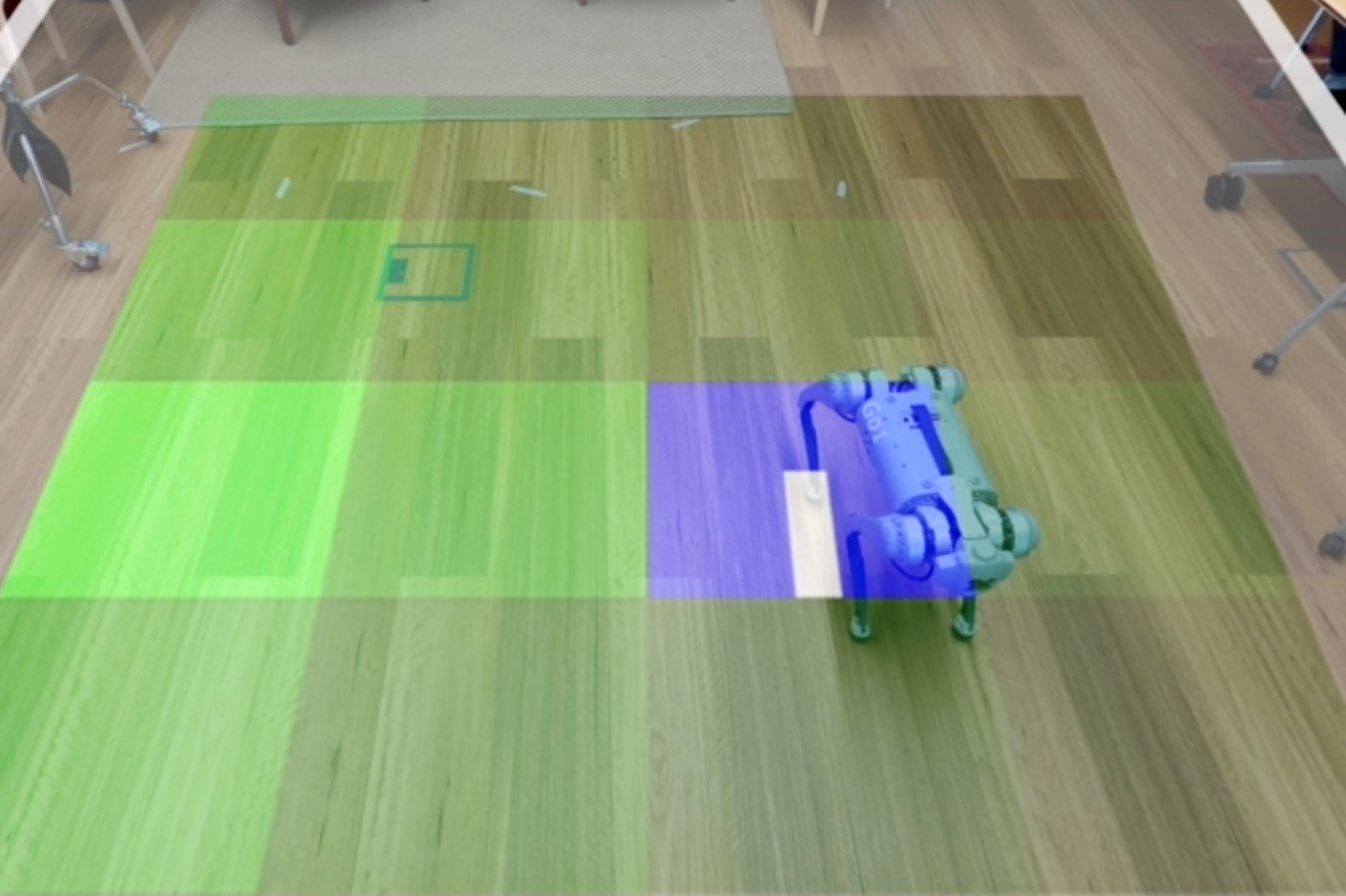
A startup has demonstrated that a biological computer made from human blood cells can control a robotic dog, extending the capabilities of what researchers call "living computing." The firm previously achieved attention by programming the same technology to play Pong, the classic video game.
The biological computer operates using cultured human cells as its computational substrate. Instead of silicon chips, these systems leverage the natural information-processing abilities of living cells to perform calculations and execute commands. The technology represents a convergence of synthetic biology and computer science, opening pathways for novel applications in robotics and autonomous systems.
The robotic dog serves as a proof of concept for the biocomputer's ability to process input signals and produce meaningful output in real-world systems. This capability extends beyond gaming and suggests potential uses in medical devices, environmental monitoring systems, or other applications where biological computing might offer advantages over traditional electronics.
The underlying science relies on engineering living cells to act as logic gates and processing units. Researchers can program cellular behavior to respond to specific chemical signals or biological stimuli, creating systems that compute and respond to their environment without external processors. This approach draws inspiration from how biological systems naturally process information at the cellular level.
Several advantages could emerge from this technology. Biological computers consume far less energy than conventional processors, operate at body temperature, and theoretically integrate more seamlessly with biological environments. They could eventually power implantable medical devices that monitor health conditions and deliver targeted therapies. Their compatibility with human biology eliminates rejection risks associated with foreign materials.
However, significant limitations remain. Scaling biological computers to handle complex computational tasks presents substantial engineering challenges. Cell cultures require careful maintenance of temperature, pH, and nutrient levels to remain viable. The speed of biological computing lags far behind silicon-based systems. Reliability and consistency across different cell batches introduce variability that complicates practical deployment.
Regulatory pathways for biocomputers remain undeveloped. Questions about long-term cell viability, contamination prevention, and safety standards in autonomous systems powered by living tissue require resolution before widespread adoption. Manufacturing living computers at scale poses technical hurdles distinct from traditional semiconductor production.
The demonstration that biological computers can control physical systems marks progress toward practical biocomputation. The jump from playing Pong to operating a robotic dog shows the technology advancing beyond isolated laboratory achievements. Yet moving from demonstrations to reliable, maintainable systems suitable for medical or industrial use requires years of development.
The startup's work suggests biological computing occupies a legitimate place in the future technology landscape, neither replacing conventional computing entirely nor remaining confined to academic curiosity. The field will likely develop specialized applications where biological systems' unique properties solve problems that silicon cannot, particularly in medical contexts where biocompatibility provides decisive advantages over traditional engineering approaches.