# Brazil's Presidential Election Faces Scrutiny Over Meta AI Bias Allegations
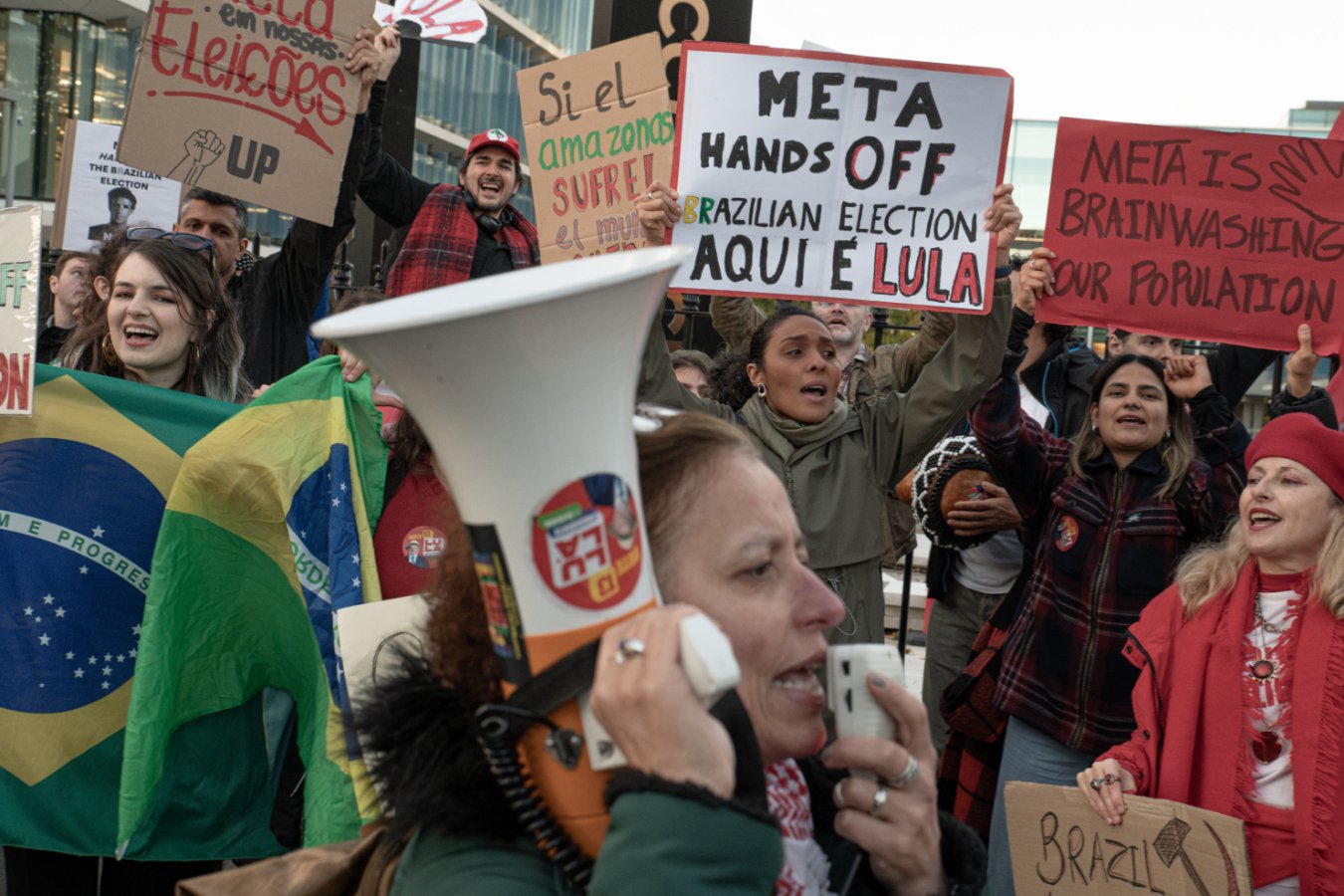
Brazil's upcoming presidential election has become entangled in accusations that Meta's artificial intelligence tools favor right-wing candidate Flávio Bolsonaro over leftist incumbent Luiz Inácio Lula da Silva. Supporters of Lula claim Meta's generative AI systems make it substantially easier to create campaign content promoting Bolsonaro, potentially skewing the electoral landscape in his favor.
The allegations emerged as Meta's AI tools, integrated across Facebook, Instagram, and WhatsApp, have become central to political messaging in Brazil. These platforms reach over 150 million Brazilians, making them critical battlegrounds for electoral influence. Campaign operatives from Lula's side reported that Meta's image and text generation systems produced more polished, persuasive content when tasked with promoting Bolsonaro compared to generating equivalent material for their candidate.
The specific complaint centers on asymmetric performance across Meta's generative AI suite. When users attempted to create promotional images or written content favoring Lula, the tools allegedly produced lower quality outputs, rejected requests more frequently, or imposed stricter content moderation filters. Reverse testing with Bolsonaro-friendly prompts purportedly yielded superior results with fewer restrictions.
Meta has not publicly addressed the specific allegations from Lula's campaign as of reporting. The company maintains that its content moderation and AI systems operate according to neutral policy frameworks without favoring political parties or candidates. Meta's historical record in Brazilian politics, however, remains contested. During previous elections, researchers documented how Meta's platforms disproportionately amplified false information supporting certain candidates while suppressing content from others.
Brazil's electoral authorities have begun investigating the claims. The Superior Electoral Court, which oversees Brazilian elections, previously warned Meta about potential interference ahead of major votes. In 2022, similar tensions arose when researchers found algorithmic disparities in how Meta's systems treated political content from different candidates.
The timing of these accusations matters considerably. Brazil faces regional tensions between opposing political movements, and social media platforms function as primary news sources for many voters. Unlike traditional media, which maintains some editorial standards, Meta's algorithms operate with minimal transparency regarding how they process and amplify political content.
Researchers studying algorithmic bias in elections have flagged that even unintentional disparities in AI performance can distort electoral outcomes. If one candidate's content generates higher engagement rates through platform algorithms, voters encounter it more frequently, potentially influencing voting behavior. The effect amplifies in Brazil's highly polarized political environment.
Meta's AI tools use training data derived from internet sources, which researchers note can embed existing political biases. If training datasets contained more professional campaign materials from right-leaning political movements, AI systems might naturally reproduce those patterns when generating new content.
The controversy underscores broader concerns about corporate control over election infrastructure. Meta profits from political advertising and engagement; it faces limited external oversight regarding fairness in how its AI systems treat competing candidates. Brazil's situation illustrates how generative AI, positioned as neutral technology, can create political consequences when deployed at scale without adequate safeguards.
Whether these allegations prove substantive remains under investigation, but they highlight escalating tensions between tech platforms and democratic processes in Latin America's largest nation.