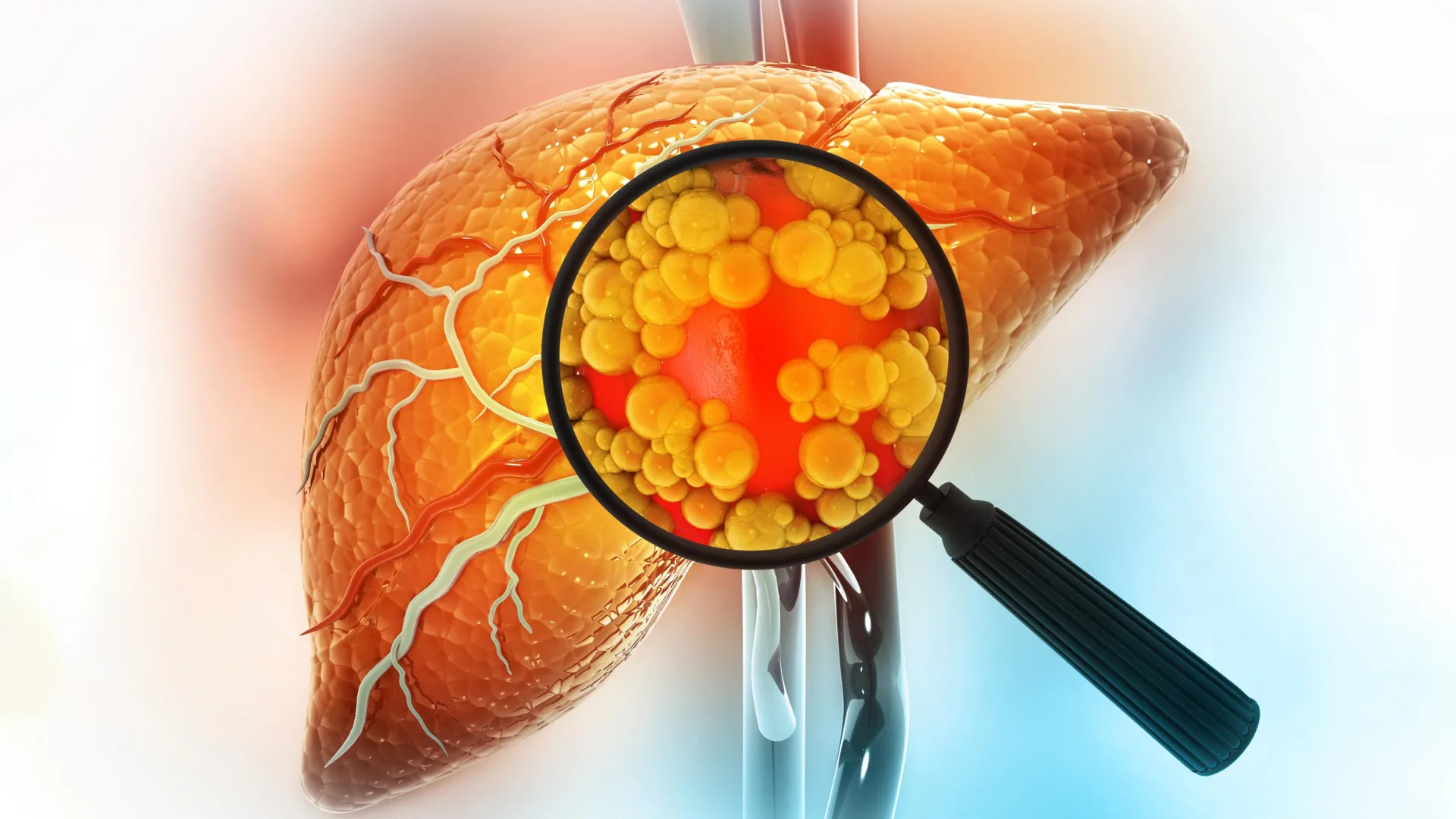
# Low Testosterone and High-Fructose Diet Team Up to Damage Liver Through Gut Bacteria
A new study reveals that low testosterone combined with high-fructose consumption creates a dangerous duo for liver health. Researchers discovered that the interaction between these two factors accelerates fatty liver disease in mice, with gut bacteria playing an unexpected role in the process.
The research team found that when testosterone levels drop and fructose intake rises simultaneously, the liver suffers disproportionate damage compared to either factor alone. This synergistic effect suggests that hormonal status fundamentally shapes how the body processes sugar. The findings open a window into why some people develop severe liver disease from dietary sugar while others remain relatively protected.
Fatty liver disease affects roughly one-third of American adults. The condition ranges from simple fat accumulation to nonalcoholic fatty liver disease (NAFLD), which can progress to cirrhosis and liver failure. Understanding what makes certain individuals more vulnerable to this progression remains a major public health challenge.
The researchers initially expected the mechanism would involve direct effects on liver metabolism. Instead, they observed something more complex. Changes in the composition of gut microbiota appeared to mediate the harmful interaction between low testosterone and fructose. The specific bacterial communities altered by low testosterone seemed to make the liver more susceptible to fructose-induced damage.
This finding reframes how scientists should think about metabolic disease. The connection between hormones, diet, and microbial ecology creates multiple intervention points. Rather than targeting liver cells directly, treatments might restore testosterone levels, modify gut bacteria, or reduce fructose consumption. The bacteria-centered discovery suggests that probiotics, dietary fiber, or targeted microbial therapies could potentially prevent liver damage even in people with hormonal imbalances and high sugar intake.
The work also has implications for understanding sex differences in disease risk. Men experience declining testosterone with age, yet their rates of fatty liver disease remain somewhat lower than in postmenopausal women. This paradox hints that testosterone's protective effect on liver health operates through multiple pathways. Women's changing hormone profiles during menopause may trigger different microbial shifts, leading to distinct patterns of liver disease susceptibility.
The study used mouse models to establish causation. While rodent research provides controlled conditions for mechanistic studies, translation to human populations requires careful consideration. Human gut microbiota show far greater complexity and individuality than mouse colonies. Fructose consumption patterns, testosterone levels, and lifestyle factors vary enormously among people. A therapy that works in mice may not prove effective across the diverse human population.
Future research should examine whether the same bacterial mechanisms drive fatty liver disease in men and women. Clinical trials testing interventions like testosterone replacement, targeted probiotics, or prebiotics in high-risk populations could validate these findings. Researchers should also investigate which specific bacterial species drive the harmful interaction and whether manipulating these organisms provides therapeutic benefit.
The discovery emphasizes that metabolic disease emerges from complex interactions between genetics, hormones, diet, and the microbiome. Simple explanations about sugar's universal harm oversimplify biology. A person's health outcomes depend on the constellation of factors present at any moment. This work suggests physicians should consider hormonal status when counseling patients about dietary sugar reduction and liver disease prevention.