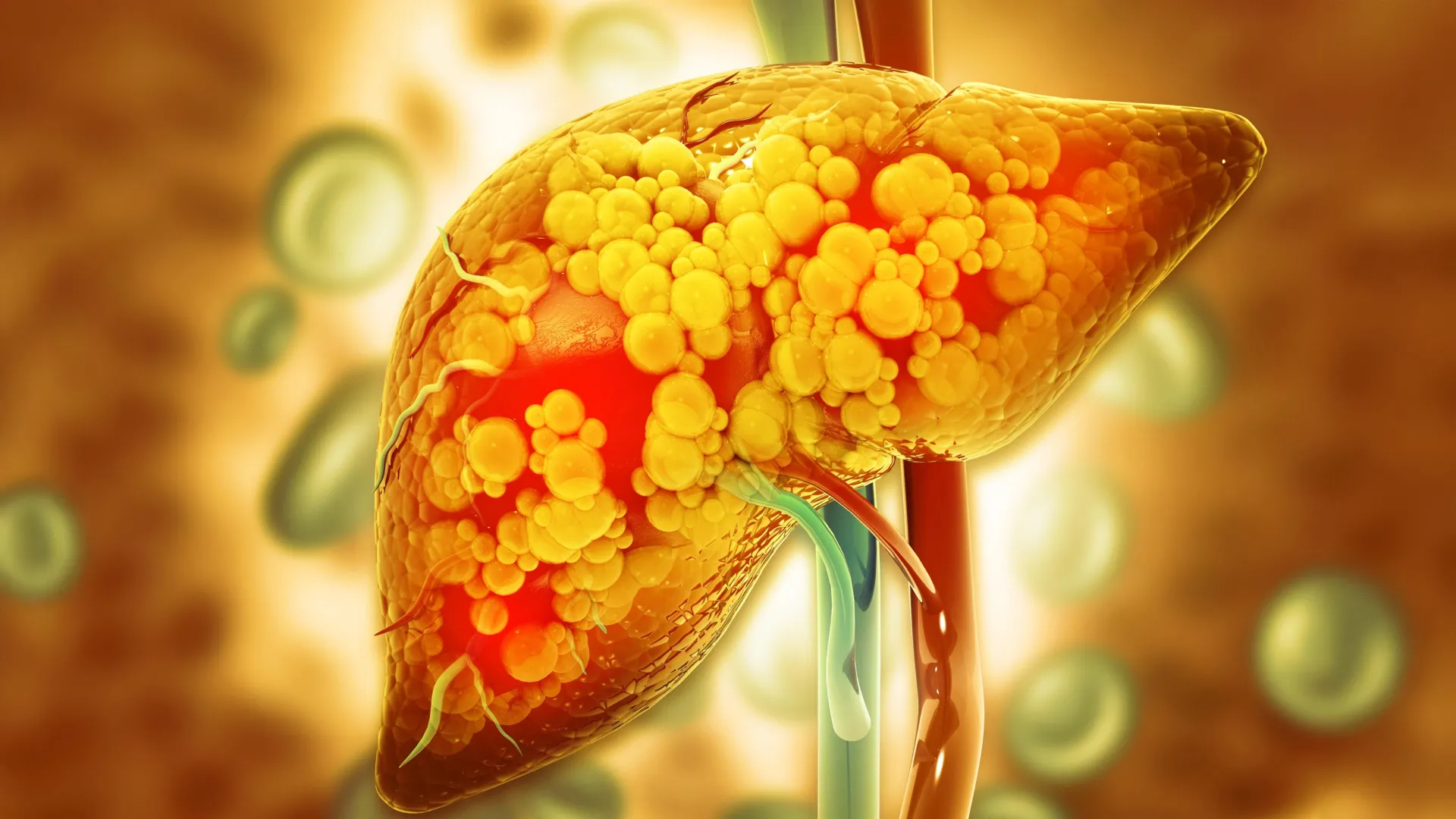
Scientists have identified an enzyme that protects against worsening fatty liver disease, which affects approximately 100 million Americans. The enzyme, called UBE2N, helps liver cells clear away damaged mitochondria and break down fat. This process potentially prevents inflammation, scarring, and cell damage linked to MASH, the more severe form of the condition.
Fatty liver disease develops when excessive fat accumulates in liver cells. In some patients, the disease progresses to MASH, a condition characterized by inflammation, scarring, and cellular damage that can lead to liver failure or cancer.
The discovery of UBE2N's protective role offers a new avenue for understanding how the liver naturally defends itself against disease progression. By facilitating the removal of damaged mitochondria and promoting fat breakdown, the enzyme may maintain liver cell health and prevent the cascade of damage that transforms fatty liver disease into MASH.
This finding could inform the development of new therapeutic approaches. If researchers can enhance UBE2N function or develop treatments that mimic its activity, clinicians might gain new tools to slow or halt disease progression in patients with fatty liver disease. Such interventions could reduce the burden of MASH, which currently has limited treatment options beyond lifestyle modifications.
The identification of UBE2N adds to growing understanding of the molecular mechanisms underlying fatty liver disease and metabolic dysfunction. Further research will likely focus on confirming the enzyme's role in human patients and exploring ways to harness its protective effects therapeutically.