# Silver Diamine Fluoride Halts Cavity Progression Without Invasive Dentistry, Large Trial Shows
Researchers have confirmed that a topical liquid treatment can arrest cavity progression and eliminate the need for drilling in young patients. The finding, drawn from a major clinical trial, opens a path toward wider adoption of this non-invasive dental intervention.
The treatment uses silver diamine fluoride, a compound painted directly onto affected teeth. Application takes seconds and requires no anesthesia, injections, or tooth removal. The procedure causes no pain and produces no debris or vibration that frightens pediatric patients.
The clinical trial tracked outcomes across a substantial cohort of young children, documenting halted cavity progression after silver diamine fluoride application. Treated cavities did not advance to stages requiring traditional drilling and filling. Untreated control groups showed cavity progression during the same period.
Silver diamine fluoride works through two mechanisms. The fluoride component strengthens remaining tooth structure and prevents demineralization. The silver component possesses antimicrobial properties that kill cavity-causing bacteria and halt the disease process. Once applied, the liquid hardens and creates a protective barrier over compromised tooth tissue.
The treatment offers major advantages beyond pain avoidance. Pediatric dentistry frequently struggles with anxiety in young patients. Drilling procedures traumatize many children and generate long-term dental avoidance. Silver diamine fluoride eliminates these psychological barriers while preserving natural tooth structure. Conventional cavity treatment requires permanent removal of tooth material. This liquid treatment preserves the natural tooth.
Cost presents another compelling factor. Silver diamine fluoride costs substantially less than traditional restorative dentistry. For families without dental insurance or limited financial resources, this treatment expands access to effective cavity management. Public health agencies and community health centers can deploy this intervention widely without exhausting budgets.
The inexpensive nature and ease of application make silver diamine fluoride particularly suited for developing nations and underserved communities. Dental infrastructure limitations do not restrict this intervention. Any healthcare worker with minimal training can apply the liquid.
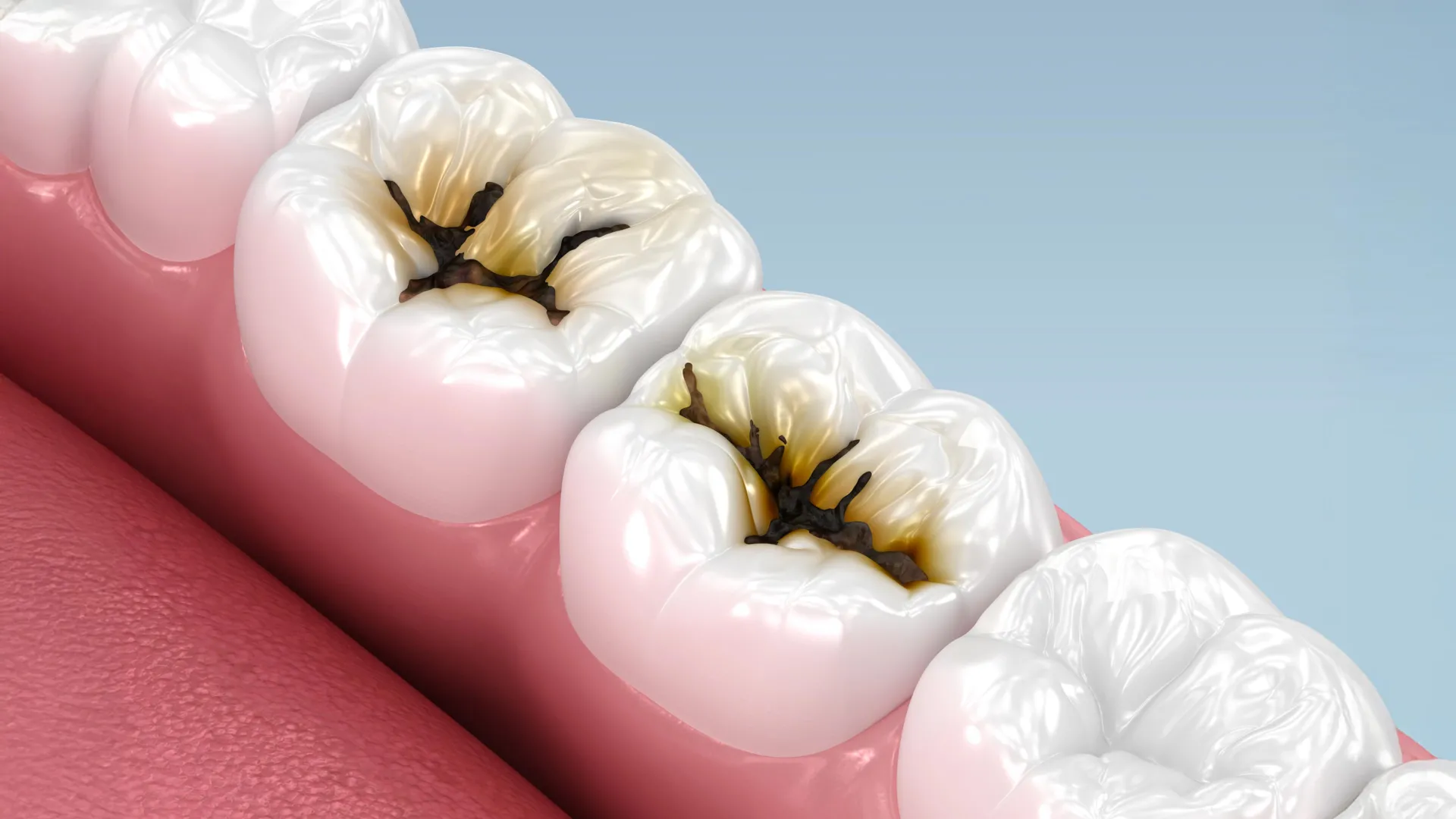
One limitation affects treatment aesthetics. Silver diamine fluoride stains tooth tissue black or dark brown at the application site. This cosmetic effect creates hesitation among patients and families prioritizing tooth appearance. Manufacturers and researchers continue exploring formulations that reduce discoloration while maintaining clinical efficacy.
Current FDA regulations restrict silver diamine fluoride use in many states. The compound received FDA approval as a desensitizing agent for sensitive teeth, but not formally as a cavity-arresting treatment. Dentists operate within a legal gray area when applying it off-label for cavity management. This trial provides the clinical evidence base that regulators require for expanded approval.
Policymakers at the FDA now possess documented proof that the treatment works in real-world settings with young children. This evidence should accelerate the approval pathway for indication expansion. Once formal FDA approval arrives for cavity arrest, dental practices nationwide can integrate silver diamine fluoride into standard protocols.
The trial results will likely reshape pediatric dental practice. Practitioners will face pressure to offer this option before recommending invasive procedures. Insurance companies may adjust reimbursement structures to incentivize non-invasive approaches. Public health programs can adopt silver diamine fluoride as a primary intervention in school-based dental health initiatives.
Broader implementation remains contingent on regulatory approval and professional adoption. Healthcare systems must train dental professionals in proper application technique. Patient education campaigns must address discoloration concerns honestly while emphasizing cavity arrest benefits. Insurance coverage decisions will determine whether cost barriers prevent widespread access.