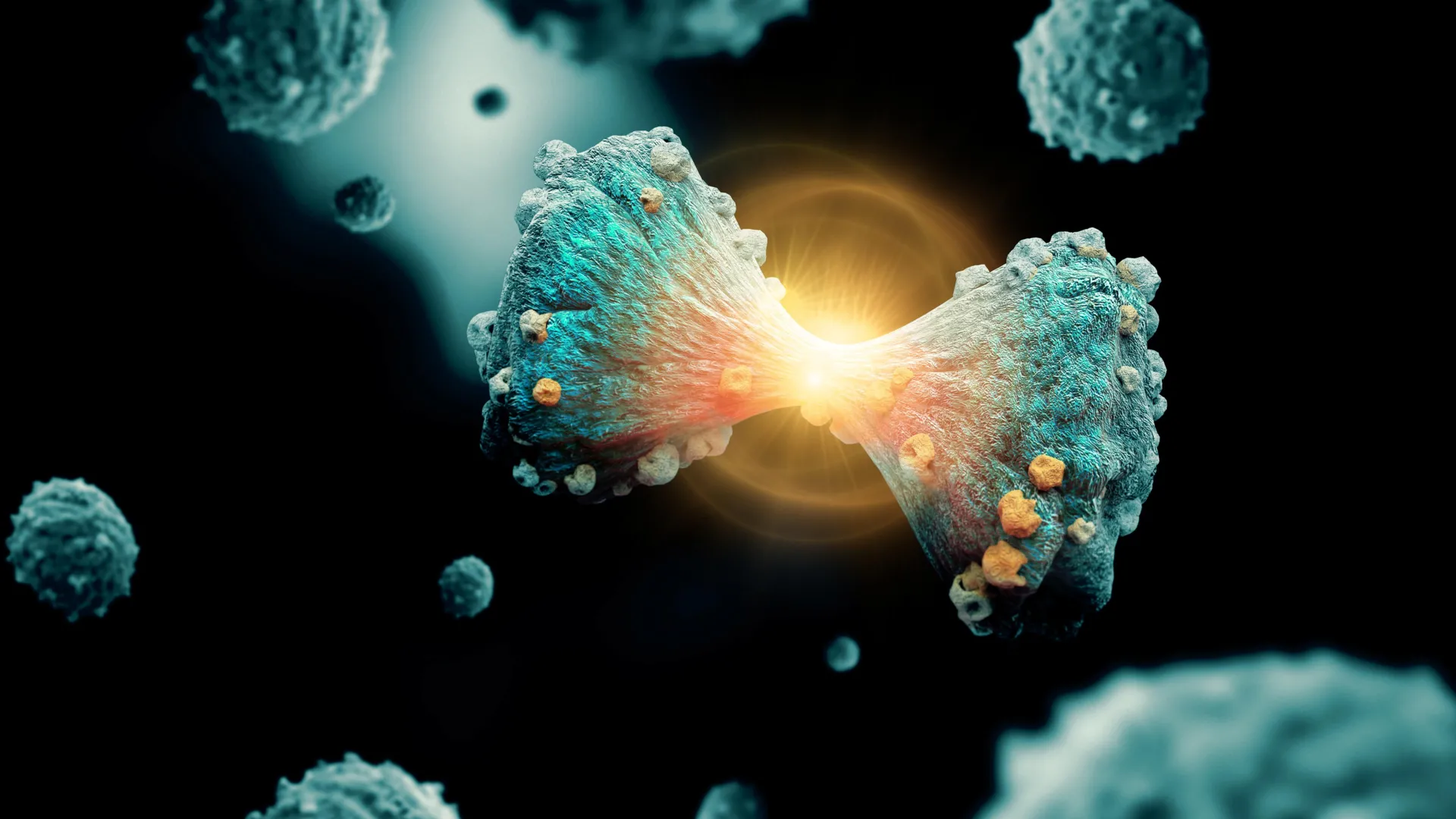
# Pancreatic Cancer Cells Dynamically Rewrite DNA to Resist Treatment, Study Finds
Researchers have identified a fundamental mechanism that allows pancreatic cancer cells to alter their genetic structure and become more aggressive during treatment. The discovery opens a new therapeutic avenue for one of the most lethal cancers.
Pancreatic cancer kills roughly 47,000 Americans annually and ranks among the hardest tumors to treat. Most patients die within five years of diagnosis. The disease's resistance to chemotherapy and radiation has long puzzled oncologists. This new research explains part of why: the cancer cells themselves are not static targets but active remodelers of their own DNA.
The study examined how pancreatic tumor cells continuously restructure their genome through a process that rewires genetic expression patterns. Rather than acquiring random mutations, these cells systematically alter which genes are turned on and off. This plasticity allows them to adapt rapidly to hostile conditions, including drug exposure. When one genetic configuration becomes disadvantageous, the cells shift to another, evading the therapy meant to kill them.
The research team identified a specific gene as central to this rewiring process. When researchers blocked this gene in laboratory experiments, pancreatic cancer cells lost some ability to reshape their DNA. The cells became less aggressive and more vulnerable to treatment. This finding suggests the gene acts as a master regulator of the tumor's adaptive capacity.
The implications extend beyond basic science. If validated in animal models and eventually clinical trials, blocking this gene could complement existing treatments. Researchers could potentially trap cancer cells in a fixed genetic state, preventing them from escaping chemotherapy or immunotherapy. This approach differs from traditional cancer drugs that target specific mutations or proteins. Instead, it targets the cancer cell's flexibility itself.
However, significant hurdles remain. Laboratory results often fail to translate to living organisms. Cancer cells in tumors interact with surrounding tissue and immune cells in ways that cannot be fully replicated in a dish. The tumor microenvironment may protect cells from the effects of blocking this gene. Additionally, cancer cells could activate alternative pathways to achieve similar DNA remodeling if researchers simply shut down one gene.
The study also raises questions about dosing and side effects. Pancreatic cells in healthy tissue may depend on this same gene for normal function. Blocking it systemically could harm the pancreas while fighting cancer. Researchers will need to develop methods to target only tumor cells.
The work represents a shift in how scientists think about cancer evolution. Rather than viewing tumors as collections of randomly mutated cells, this research shows pancreatic cancer operates with coordinated, purposeful genetic flexibility. Understanding this active strategy for adaptation could reveal other genes that enable tumor plasticity.
Next steps involve testing the findings in mouse models of pancreatic cancer. Researchers will determine whether blocking this gene slows tumor growth in living organisms and whether the effect combines effectively with standard therapies. If successful, clinical trials could begin within several years, offering pancreatic cancer patients a new treatment option alongside surgery, chemotherapy, and radiation.