# Ancient Egyptians Sacrificed Pharaohs' Servants for the Afterlife
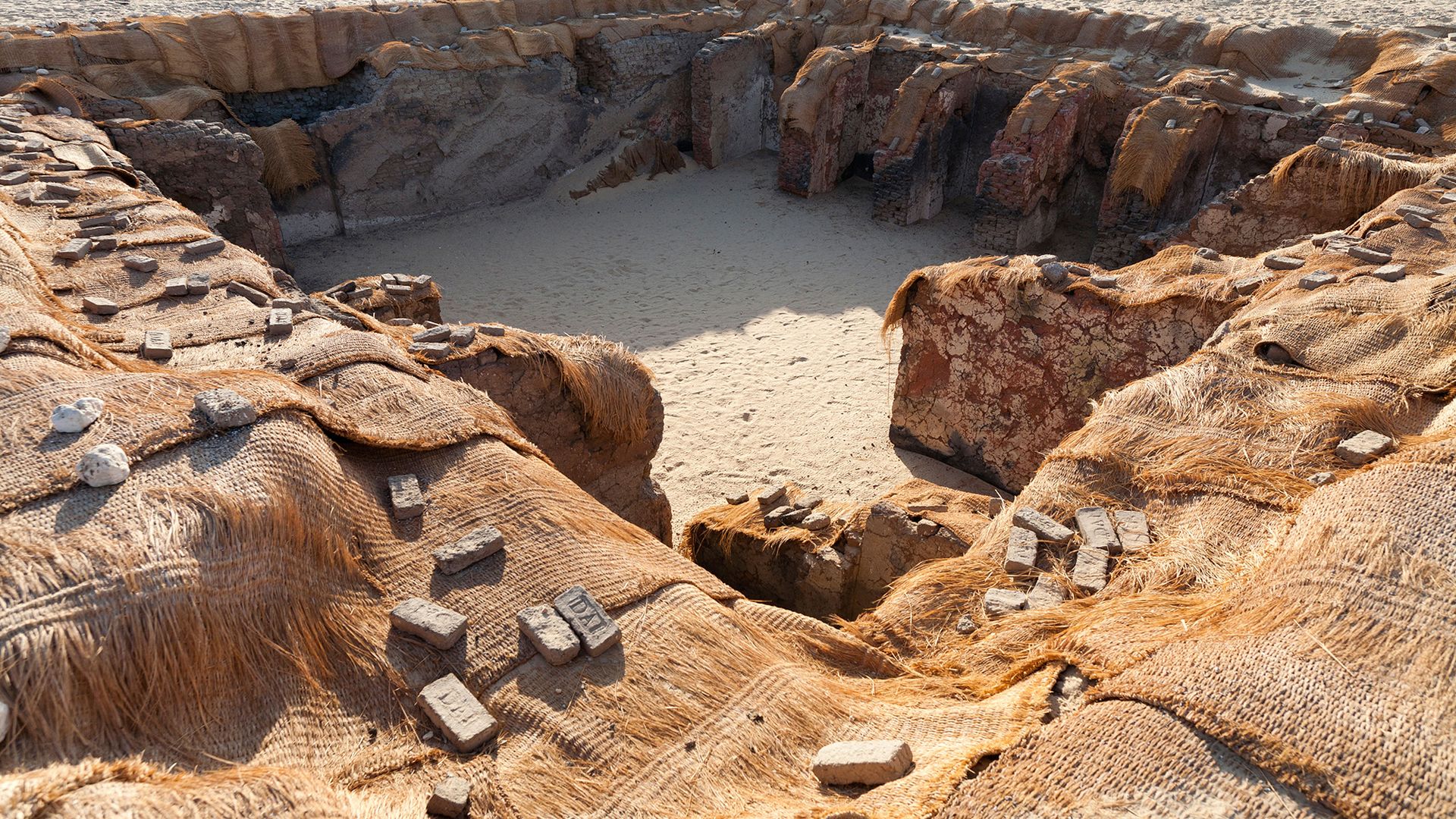
Ancient Egyptians practiced human sacrifice approximately 5,000 years ago, according to a new study. The sacrificed individuals served as attendants intended to continue working for pharaohs in the afterlife.
The practice reflected the Egyptians' beliefs about death and the continuation of life beyond mortality. Pharaohs were expected to require the same services and support in the afterlife as they had during their earthly reign. Servants were sacrificed to fulfill this religious and cultural obligation.
This discovery adds to existing knowledge about ancient Egyptian burial practices and the lengths to which this civilization went to ensure pharaohs received proper preparations for the next world. The timing of these sacrifices coincided with major funeral rites and the construction of royal tombs.
The study contributes to broader archaeological understanding of human sacrifice in ancient societies. Similar practices existed in other ancient civilizations, though the Egyptian version was tied specifically to royal burial customs and afterlife beliefs. The discovery underscores how deeply religious conviction shaped life-and-death decisions in ancient Egypt and influenced social hierarchies that determined who would live and who would be sacrificed for the greater purpose of serving the monarchy.