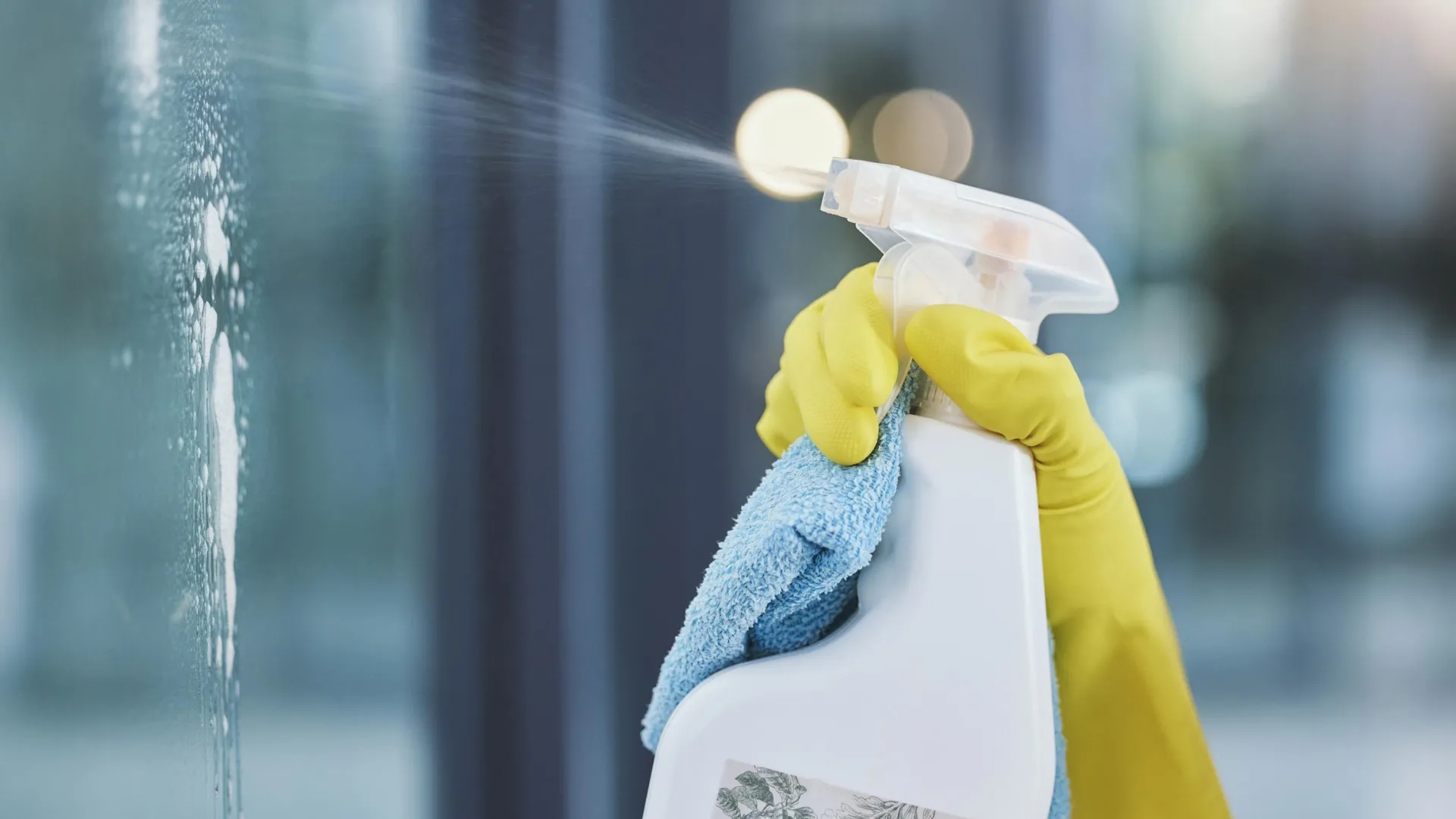
Researchers have discovered that the pleasant scent from household cleaning products triggers a chemical reaction that floods homes with billions or trillions of nanoparticles, potentially delivering lung doses equivalent to breathing exhaust near a busy highway.
The reaction occurs when volatile organic compounds in scented cleaners meet ozone naturally present indoors. This interaction generates secondary organic aerosol particles small enough to bypass the body's natural defenses and lodge deep within lung tissue. The process unfolds rapidly, often within minutes of spraying a cleaner or mopping a floor.
Scientists measured the particle concentration in test chambers and found that a single cleaning event could produce inhaled doses rivaling those experienced by people standing near heavy traffic for extended periods. The nanoparticles, typically between 10 and 100 nanometers in diameter, escape detection by the naked eye while penetrating the respiratory system's deepest regions.
The study examined popular household products marketed as fresh-scented or lemon-fresh cleaners, which contain limonene and other terpenes. These compounds are not inherently dangerous at low concentrations, but their interaction with ambient ozone transforms them into a different chemical altogether. Ozone infiltrates homes through windows, doors, and ventilation systems, accumulating especially in well-sealed modern buildings.
Researchers did not provide the specific journal or institution details in the available reporting, though the work emerged from peer-reviewed research cited by ScienceDaily. The findings extend previous work documenting how indoor chemical reactions produce pollutants comparable to outdoor air quality problems.
The implications extend beyond acute respiratory discomfort. Chronic exposure to nanoparticles carries established health risks, including inflammation in the lungs and potential contributions to cardiovascular disease. People with asthma, children, and elderly individuals face heightened vulnerability to inhaled particles that penetrate the alveoli where gas exchange occurs.
The research raises questions about product labeling and consumer awareness. Most cleaning products display warnings about skin contact or accidental ingestion but rarely mention inhalation hazards from secondary reactions. Regulatory frameworks governing household cleaners have not traditionally accounted for the chemistry that occurs after products are applied in real homes.
Several practical mitigation strategies emerge from the findings. Opening windows during and after cleaning increases ventilation and dilutes ozone concentrations before reactions can fully develop. Using unscented cleaners eliminates the reactive volatile organic compounds entirely. Running air purifiers with activated carbon filters can capture some particles, though effectiveness depends on filter quality and coverage area.
The discovery highlights a gap between laboratory safety testing and real-world conditions. Products tested in isolation perform differently when introduced into dynamic indoor environments where temperature, humidity, and existing air composition create novel reaction pathways. This disconnect suggests that consumer safety standards may require updating to reflect authentic household exposure scenarios.
The findings demonstrate that reducing respiratory health risks at home does not always require expensive interventions. Basic ventilation and product choice adjustments address the root cause rather than attempting to remove particles after formation. As more households recognize the nanoparticle hazard from scented cleaners, manufacturers may face pressure to reformulate products or provide clearer guidance on safe application methods.