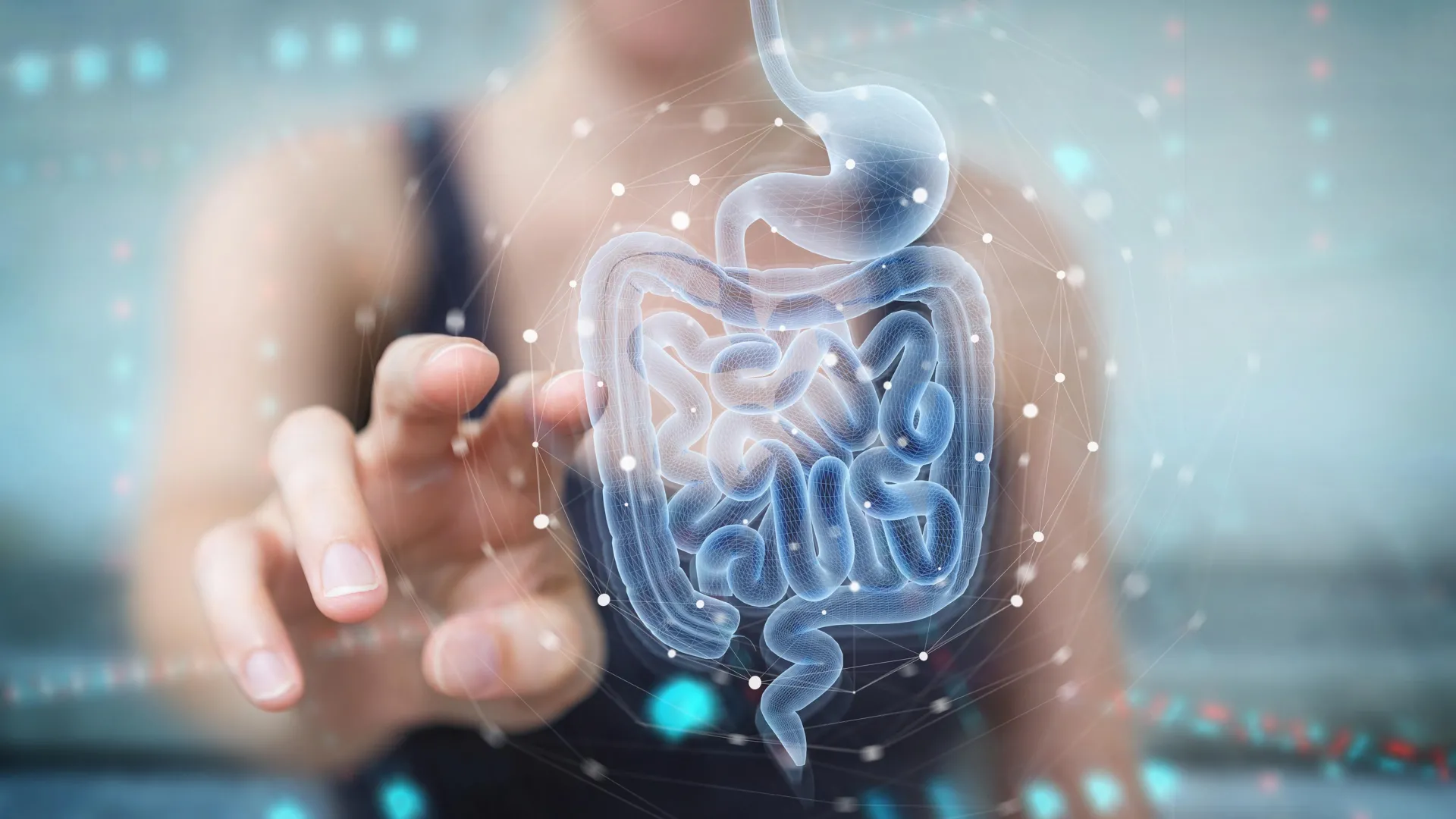
Researchers have identified a natural compound produced when gut bacteria metabolize polyphenols from foods like pomegranates, walnuts, and berries. This compound appears to strengthen and repair the intestinal barrier, pointing toward new therapeutic avenues for inflammatory bowel diseases.
The compound in question is urolithin A, a metabolite generated when gut microbiota break down ellagic acid and other polyphenols found in plant-based foods. Scientists discovered that urolithin A activates a cellular signaling pathway previously associated primarily with inflammation. The finding overturns assumptions about how this pathway operates and reveals an unexpected protective mechanism for intestinal health.
The research team demonstrated that urolithin A reinforces tight junctions between intestinal epithelial cells. These junctions form a critical barrier that controls what substances cross from the gut into the bloodstream. When this barrier deteriorates, bacterial lipopolysaccharides and other harmful molecules leak through, triggering systemic inflammation and exacerbating conditions like Crohn's disease and ulcerative colitis.
In preclinical models, the compound reduced intestinal permeability and enhanced barrier function. Researchers observed improved expression of claudins and occludin, proteins essential for maintaining tight junction integrity. The protective effects appeared independent of the compound's antioxidant properties, suggesting a direct molecular mechanism.
This discovery holds clinical significance for the roughly 3 million Americans living with inflammatory bowel disease. Current treatments rely heavily on immunosuppressants and TNF inhibitors that carry substantial side effect profiles. A targeted approach focusing on barrier repair could complement existing therapies or offer an alternative for patients who respond poorly to conventional options.
The research also highlights the complex relationship between diet, the microbiome, and intestinal health. Not all individuals produce urolithin A efficiently. The capacity to generate this metabolite depends on possessing specific bacterial species in the gut microbiota. Some people lack the necessary bacterial composition and cannot metabolize polyphenols into urolithin A, even when consuming foods rich in these compounds.
This variation opens new research directions. Scientists might develop urolithin A supplements or targeted probiotic interventions to ensure consistent therapeutic levels. Alternatively, dietary strategies could promote the growth of bacteria capable of producing urolithin A.
The findings emerged from collaborative work examining the intersection of nutrigenomics and immunology. The activation of the studied inflammatory pathway, contrary to conventional wisdom, appears to mobilize protective mechanisms under certain conditions. This nuance challenges oversimplified models of inflammation and suggests that pathway activation itself is not inherently harmful.
Future work will examine whether supplementing urolithin A benefits patients with active inflammatory bowel disease. Clinical trials would need to establish optimal dosing, assess safety profiles, and determine which disease subtypes respond best. Researchers also plan to investigate whether other polyphenol-derived metabolites offer similar protective effects.
The research reinforces growing evidence that dietary components influence disease risk and severity through microbiome-mediated mechanisms. This knowledge supports an approach to IBD management that integrates nutritional intervention with pharmaceutical therapy, potentially improving outcomes while reducing reliance on high-dose immunosuppression.