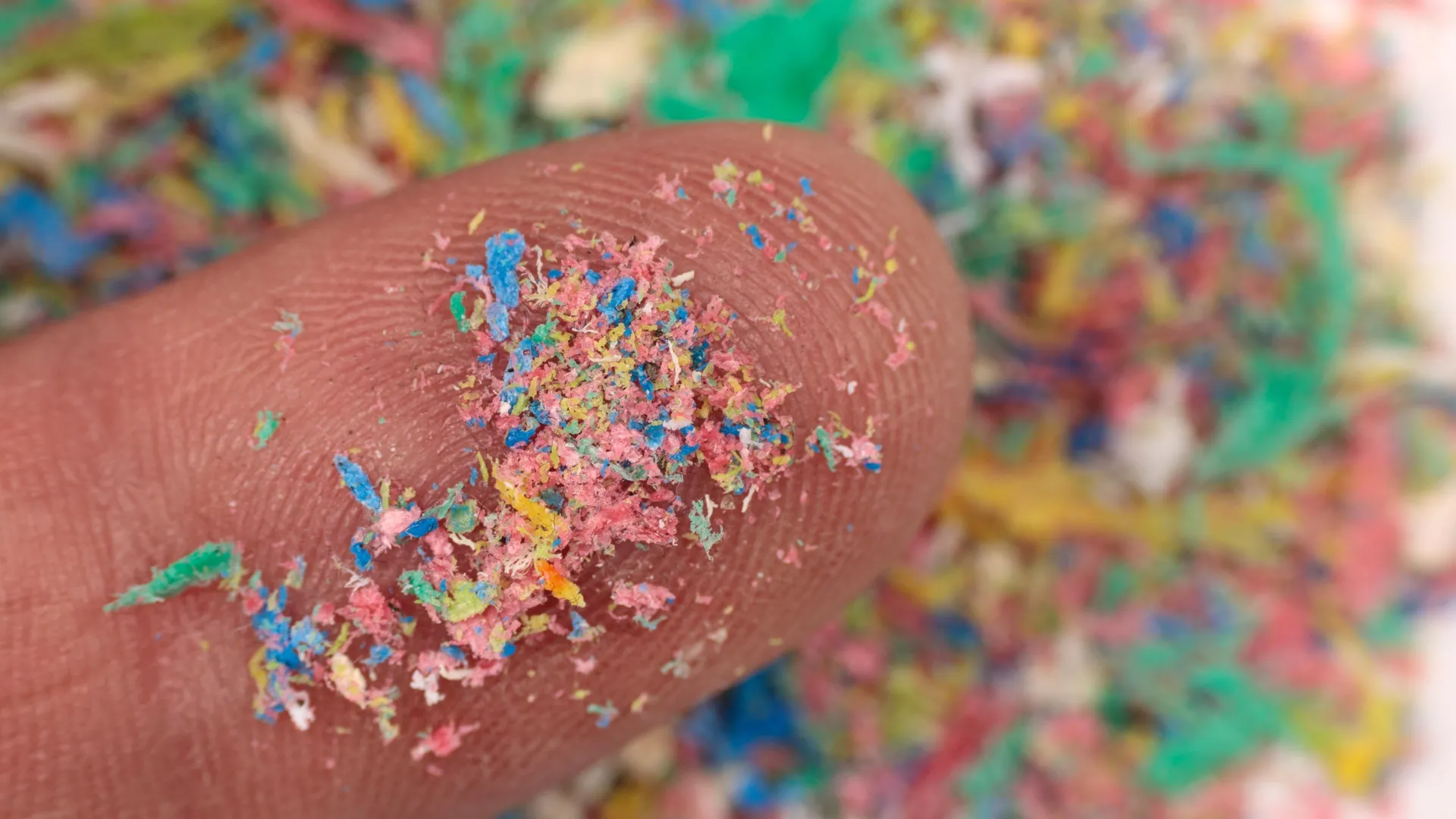
# Kimchi Bacteria Show Promise in Removing Nanoplastics From Body
Researchers have discovered that a bacterium commonly found in kimchi can bind to nanoplastics in the digestive system and help expel them from the body. The finding opens a novel approach to mitigating exposure to these emerging environmental contaminants that increasingly pervade human tissues.
The study, summarized by ScienceDaily, identified that a probiotic strain derived from kimchi demonstrated the ability to attach to nanoplastics under conditions mimicking the human gut environment. When tested in mice, the bacterium more than doubled the quantity of nanoplastics detected in fecal samples, suggesting it successfully facilitated their removal from the body rather than allowing accumulation in organs and tissues.
Nanoplastics represent particles smaller than one micrometer, fragments that shed from larger plastic degradation or released directly during manufacturing. Unlike microplastics, which scientists have studied for over a decade, nanoplastics penetrate deeper into biological systems. Recent research has documented their presence in human blood, lungs, and organs. The health consequences remain largely unknown, though toxicologists express concern about their ability to cross biological barriers and accumulate in sensitive tissues.
The kimchi bacterium research addresses a legitimate public health gap. Current interventions focus primarily on reducing plastic pollution at the source. No established clinical methods exist for removing nanoplastics once they enter the body. Probiotics derived from fermented foods offer a low-cost, low-risk intervention pathway if the mechanism proves robust across human populations.
The work builds on decades of probiotic research demonstrating that beneficial gut bacteria influence digestion, immune function, and metabolic processes. The novel twist here involves leveraging bacterial surface properties to physically bind contaminants rather than improving nutrient absorption or reducing inflammation. The research team likely exploited the bacterium's cell wall composition and structural characteristics to enhance nanoplastic adhesion.
Several limitations warrant attention before translating findings to human applications. Mouse models do not perfectly mirror human digestive physiology. The mouse gut environment, microbiome composition, and intestinal transit times differ significantly from humans. The dosages used in animal trials typically exceed realistic human exposure levels. Additionally, the study did not assess whether the nanoplastics bound to bacteria remained inert during transit or released toxins during processing.
Researchers must determine whether the effect holds across different nanoplastic compositions. Plastics include polyethylene, polypropylene, polyvinyl chloride, and other polymers with distinct properties. The bacterium may preferentially bind certain types while leaving others unaffected. Human trials would need to establish safe dosing, long-term safety profiles, and efficacy in individuals with varying microbiome compositions.
The timing of supplementation likely matters considerably. Taking the probiotic after nanoplastic exposure differs mechanistically from preventive consumption. The study design and results presentation do not clarify whether the bacterium required direct contact with nanoplastics or whether it simply facilitated their transit through the intestinal tract.
Despite these caveats, the research introduces a testable hypothesis with practical implications. If validated in human studies, regular consumption of kimchi or isolated bacterial supplements could become a simple dietary intervention alongside broader efforts to reduce plastic pollution. The work exemplifies how traditional fermented foods, studied through modern molecular methods, may reveal unexpected health applications.