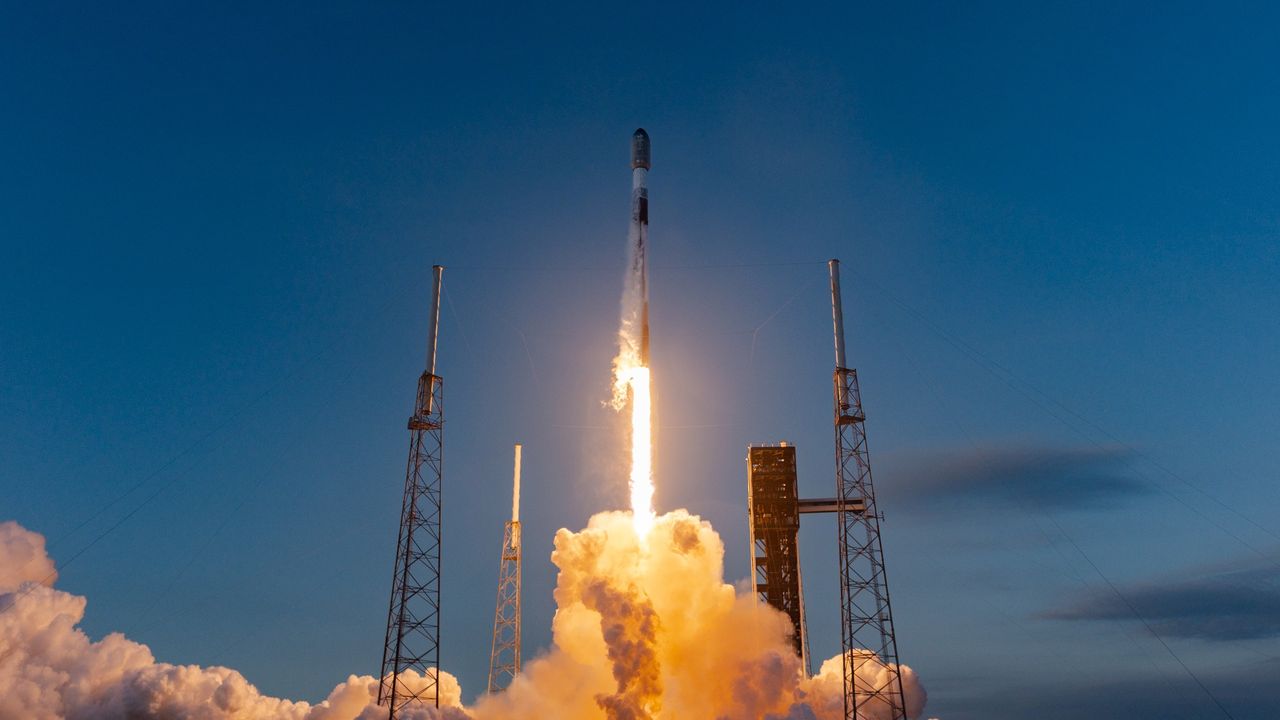
Rocket launch costs have plummeted 96 percent since 1960, and researchers project they could fall another 90 percent by 2040. A new study quantifies this dramatic shift in spaceflight economics and explores how far prices might continue to drop.
The research tracks launch expenses across six decades, documenting one of the steepest cost declines in any technology sector. Early space programs in the 1960s cost thousands of dollars per kilogram to reach orbit. Today, companies like SpaceX achieve launches for a fraction of that price through reusable rockets and streamlined operations.
The study identifies several factors driving these reductions. Reusable rocket technology cuts per-flight costs significantly. Manufacturing improvements and economies of scale lower production expenses. Competition among launch providers, particularly between SpaceX and newer entrants, pushes prices downward. Automation and advances in materials science reduce both labor and material costs.
Researchers project another 90 percent decline by 2040 if current technological trends continue. This forecast assumes ongoing innovation in rocket recovery and reuse, further manufacturing efficiency gains, and sustained market competition. Smaller, specialized launch vehicles for dedicated missions could also lower costs by matching capacity to customer needs more precisely.
However, limitations exist in projecting such dramatic future cost reductions. Historical cost curves sometimes level off as technologies mature. Physical constraints on rocket efficiency, set by physics and chemistry, eventually impose hard limits. Market demand must grow sufficiently to support the investments required for next-generation launch systems.
Current launch costs already enable new business models. Companies now plan satellite mega-constellations, deep space missions, and space tourism ventures that were economically impossible a decade ago. Cheaper access to orbit could accelerate space-based solar power development, orbital manufacturing, and scientific research in microgravity.
The study indicates spaceflight economics remain in a rapid transformation phase.