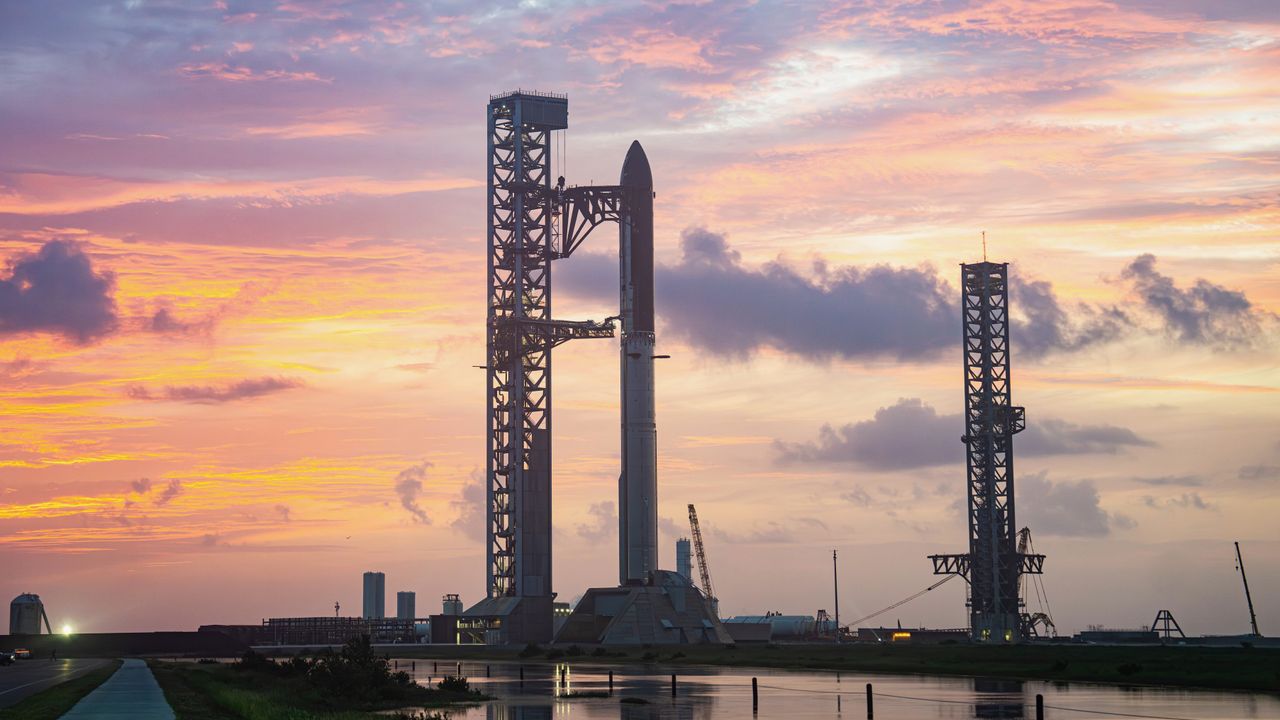
SpaceX scheduled a second launch attempt for Starship Flight 13 on July 23, five days after an abort halted the previous try on July 16. The company did not disclose the specific technical issue that triggered the abort during the countdown sequence.
Flight 13 represents another test of SpaceX's fully integrated launch system, combining the Super Heavy booster with the Starship upper stage. Each test flight carries incremental objectives designed to validate spacecraft systems and procedures ahead of eventual crewed missions and Mars applications.
SpaceX has conducted a series of Flight tests since the first integrated launch in April 2023. Each successive flight incorporates lessons from previous attempts, including booster catch improvements, vehicle structural modifications, and refined propellant management protocols. The program operates under federal licensing from the Federal Aviation Administration, which approves launch windows and requires investigation into any significant anomalies.
The July 16 abort marked a setback but remains common in testing programs of this complexity. Launch aborts during final countdown phases indicate safety systems functioning as designed, preventing potential damage or personnel risk. Ground crews have several opportunities to conduct diagnostics between attempts, typically spanning days to weeks depending on hardware findings.
SpaceX competes with multiple aerospace firms developing heavy-lift launch systems. The Starship program's rapid iteration approach differs from traditional aerospace development timelines, which historically space years between test flights. This acceleration strategy aims to achieve operational status faster than conventional methodologies.
The Florida-based test facility at Starbase conducts these launches, where SpaceX maintains launch infrastructure, vehicle assembly facilities, and testing equipment. The facility has grown substantially since SpaceX began operations there in 2014.
Success metrics for Flight 13 likely include vehicle stability during ascent, booster performance, upper stage engine operation, and trajectory precision. SpaceX typically provides post-flight analyses detailing achieved objectives and