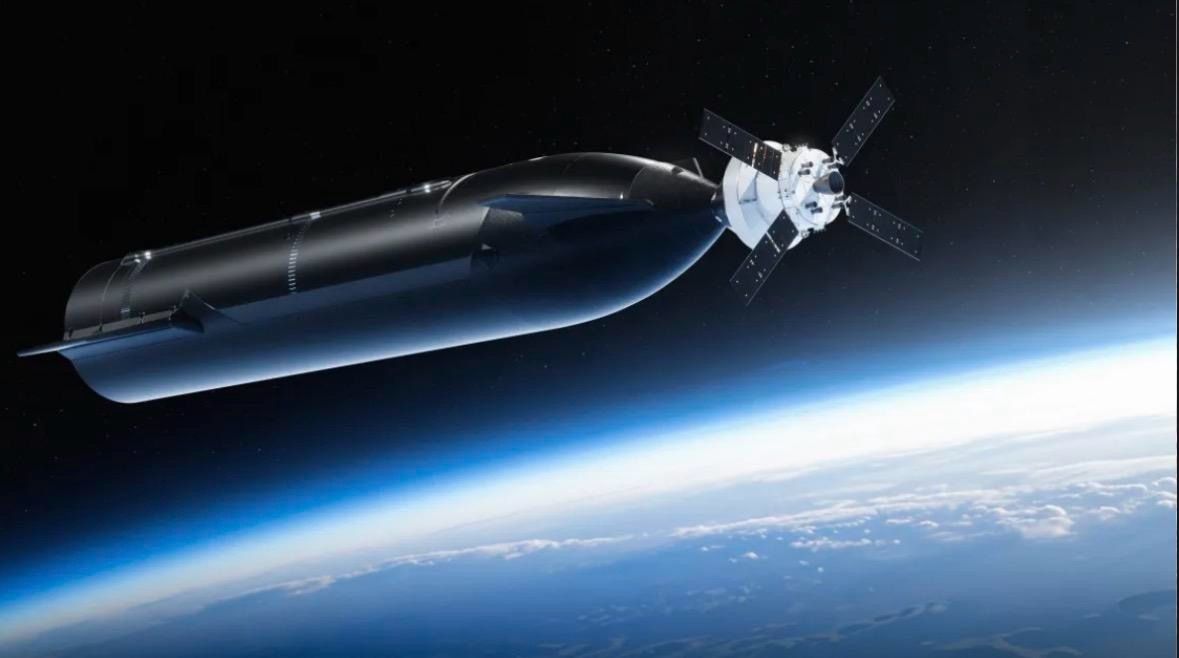
NASA plans to launch Artemis III as its most operationally complex mission ever attempted, involving the coordinated deployment and orbital rendezvous of three separate spacecraft and four astronauts over a two-week period.
The mission will require unprecedented choreography in space. NASA must launch and synchronize a Space Launch System rocket carrying the Orion spacecraft, a lunar lander, and supporting hardware into a precise sequence of orbital mechanics. Four crew members will spend roughly two weeks conducting operations that include spacecraft docking, lunar descent, surface exploration, and return to Earth.
This level of coordination surpasses previous Apollo missions in technical demands. While the Apollo program achieved remarkable feats, Artemis III introduces additional complexity through multiple spacecraft rendezvous in lunar orbit rather than direct lunar injection trajectories. The mission requires flawless execution across launch windows, orbital insertion burns, rendezvous procedures, and coordinated operations between vehicles.
The three-spacecraft architecture reflects NASA's updated lunar strategy. Orion will carry crew to lunar orbit, where astronauts will transfer to a separate lander vehicle for descent to the lunar surface. A third element likely involves a cargo or support vehicle. Each component must perform reliably and interface seamlessly with others.
NASA has built contingency planning into every phase. Launch delays could cascade through the timeline. Any rendezvous malfunction could abort the lunar landing. Surface operations demand precise power management and communication across multiple systems. Return ascent from the lunar surface requires the lander to rendezvous with Orion in lunar orbit before the journey home.
The mission demonstrates how lunar exploration has evolved since Apollo. Rather than point-to-point missions, Artemis III employs a distributed architecture requiring multiple vehicles to work in concert. This complexity increases technical risk but also enables more ambitious exploration timelines and potential for extended surface missions.
Success requires integration across NASA's human spac