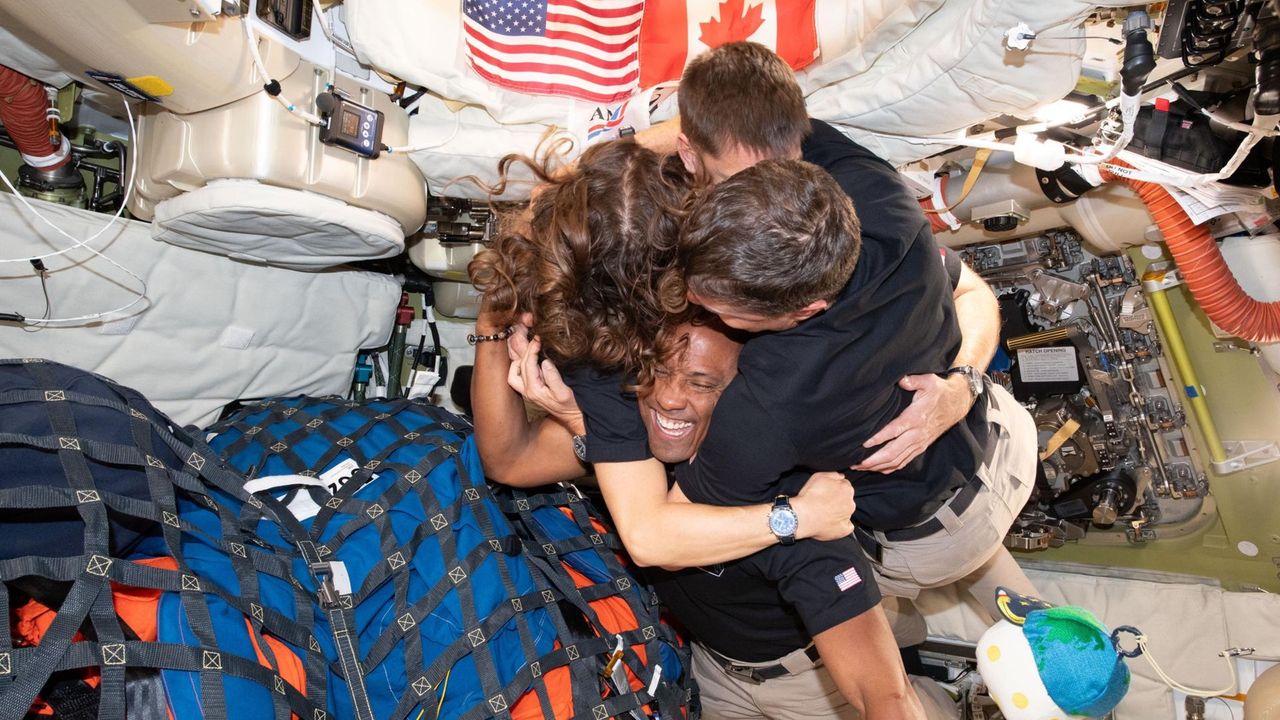
The Artemis II mission delivered a powerful message about human aspiration and connection at a moment when such reminders matter. The four astronauts assigned to the lunar mission—Reid Wiseman, Victor Glover, Christina Koch, and Jeremy Hansen—consistently emphasized throughout their training and public appearances that traveling to the moon represented both a personal honor and a collective achievement for humanity.
Their communications highlighted a dual perspective that resonates beyond the space program. The crew framed their upcoming journey not as individual accomplishment but as representation of broader human ambition and curiosity. Simultaneously, they maintained grounded connections to Earth, regularly expressing their eagerness to return home to their families and communities.
This balance between reaching toward the cosmos and remaining tethered to terrestrial bonds struck a chord with audiences. In an era marked by polarization and competing national interests, the Artemis II crew demonstrated that space exploration can serve as a unifying force. The mission represents a continuation of NASA's Artemis program, which aims to return humans to the lunar surface and establish sustainable exploration infrastructure.
The astronauts' messaging reflected authentic enthusiasm rather than scripted rhetoric. Koch, who has spent significant time in orbit aboard the International Space Station, Glover, Wiseman, and Hansen each brought distinct perspectives to their shared mission while conveying genuine emotion about the opportunity and its responsibilities.
The psychological dimension of their communications matters scientifically and culturally. Space missions generate public engagement that extends far beyond aerospace communities. When astronauts express wonder, dedication, and love for home with equal conviction, they model a maturity about achievement that transcends typical exploration narratives.
Artemis II represents more than technological advancement or geopolitical positioning. The mission embodies human capacity to dream collectively while maintaining values rooted in family, community, and shared purpose. The astronauts' consistent articulation of this perspective offered a counterweight to fragmentation