Researchers examining archaeological evidence from Turkey have discovered that Neanderthals and modern humans employed identical hunting strategies and symbolic practices despite living at the same site at different times, suggesting cultural knowledge transfer between the two species around 59,000 years ago.
The evidence comes from Karain Cave in southwestern Turkey, where excavations uncovered fossils, stone tools, and seashells left by both Neanderthals and Homo sapiens. The artifacts reveal striking similarities in hunting techniques and symbolic behavior patterns, even though the two groups did not occupy the cave simultaneously. This temporal separation makes the cultural parallels particularly intriguing to scientists studying human evolution.
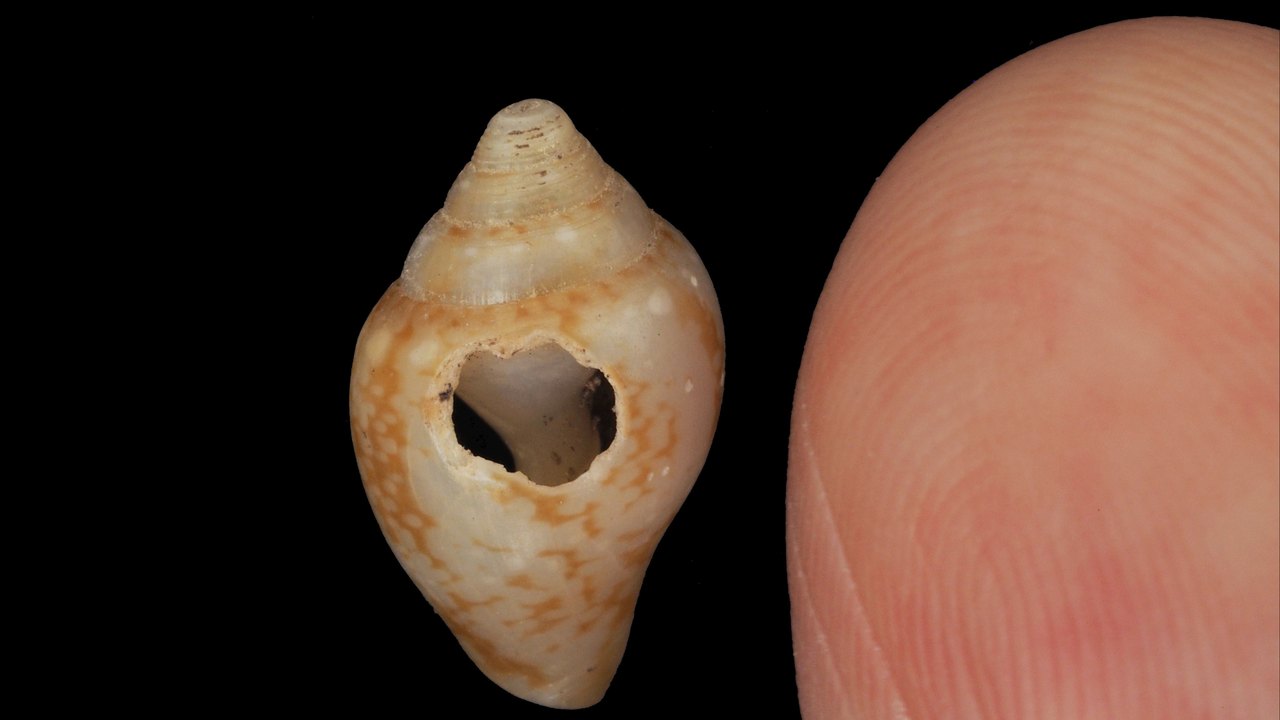
The symbolic traditions include the use of seashells, which both groups incorporated into their material culture despite living inland, far from the coast. The matching hunting strategies suggest both populations adopted similar approaches to procurement and processing of animal resources. Such convergent behaviors hint that one group may have learned from the other through cultural transmission rather than developing identical practices independently.
The findings challenge previous assumptions that Neanderthals and modern humans existed in complete isolation from one another. While genetic studies have documented interbreeding between the two species in Europe during their period of overlap, direct evidence of cultural exchange has remained scarce. This Turkish site provides archaeological documentation of behavioral continuity that points toward information sharing.
The researchers note that the sequence of occupation at Karain Cave allows them to trace how practices persisted across populations. The later arrival of Homo sapiens at locations previously inhabited by Neanderthals created opportunities for observational learning or direct cultural contact during brief overlapping periods elsewhere in the region.
These findings expand understanding of Neanderthal cognitive abilities and social sophistication. Rather than viewing Neanderthals as intellectually inferior predecessors, the evidence suggests they participated in broader cultural networks of the Late Pleistocene. The study underscores how archaeological sites in ge