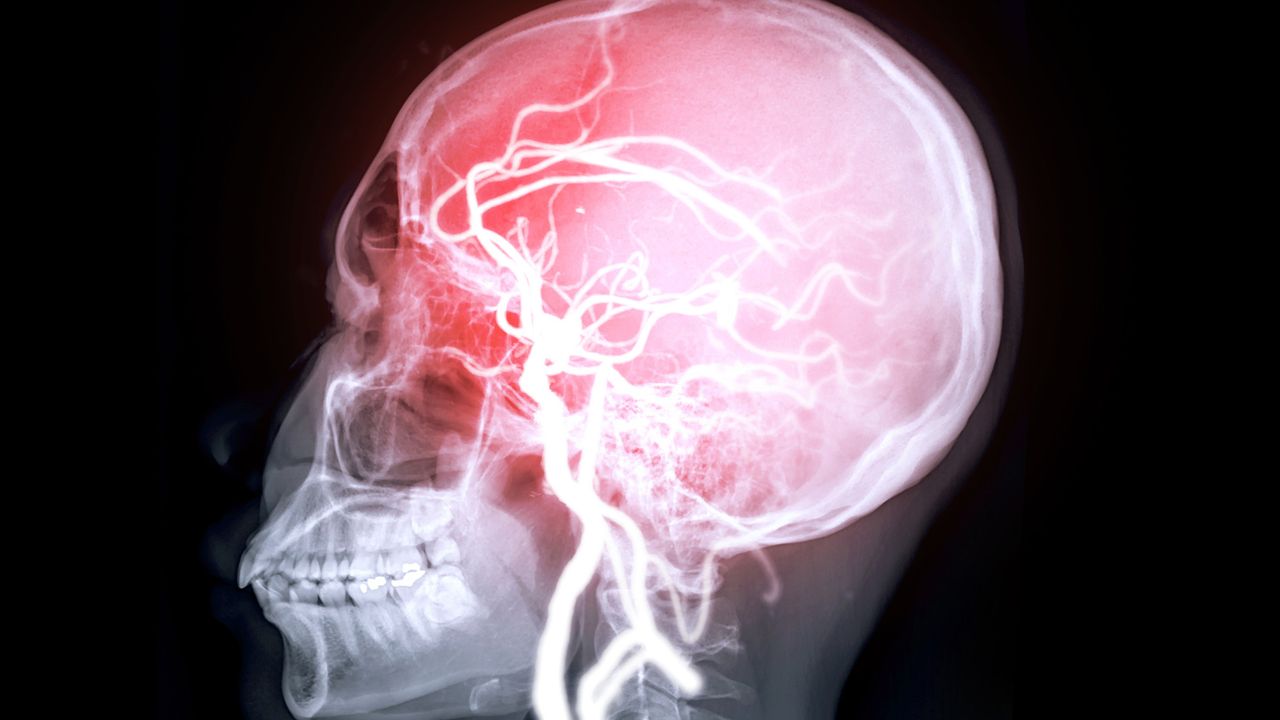
Researchers have discovered a link between declining heart function and early brain damage in memory-related regions, according to new findings that suggest cardiac health directly affects cognitive decline.
The study examined how reduced cardiac output correlates with structural changes in the brain. When the heart pumps less efficiently, it delivers less oxygen-rich blood to the brain. This reduced blood flow triggers what researchers call "microdamage" in areas critical for memory formation and retention.
The mechanism operates through hypoxia, the state of inadequate oxygen supply to brain tissue. Memory centers like the hippocampus and surrounding temporal lobe structures prove especially vulnerable to this oxygen deprivation. Even mild, chronic underperfusion can accumulate microscopic injuries that accumulate over time without obvious symptoms.
This research adds to the growing body of evidence linking cardiovascular health to cognitive outcomes. Previous studies established connections between heart disease and dementia risk, but this work identifies a specific pathway: weakened cardiac function leads to measurable brain tissue damage that precedes memory loss.
The implications extend beyond explaining one disease mechanism. It suggests that maintaining heart health through exercise, medication compliance, and lifestyle changes may protect memory and cognitive function in aging populations. Patients with heart failure or cardiomyopathy face elevated dementia risk, and early intervention to improve cardiac function might slow neurological decline.
However, the study has limitations. Researchers studied correlations rather than causation, meaning they observed the brain damage and heart weakness together but cannot definitively prove one causes the other. The work requires validation in larger populations and longer-term follow-up studies. Additionally, the degree of brain microdamage and its ultimate impact on daily memory function remain unclear from this single investigation.
Clinicians treating cardiac patients should consider cognitive screening and might counsel patients about these dual health risks. Future research should explore whether improving heart function through medical treatment or lifestyle intervention can reverse or prevent the observed