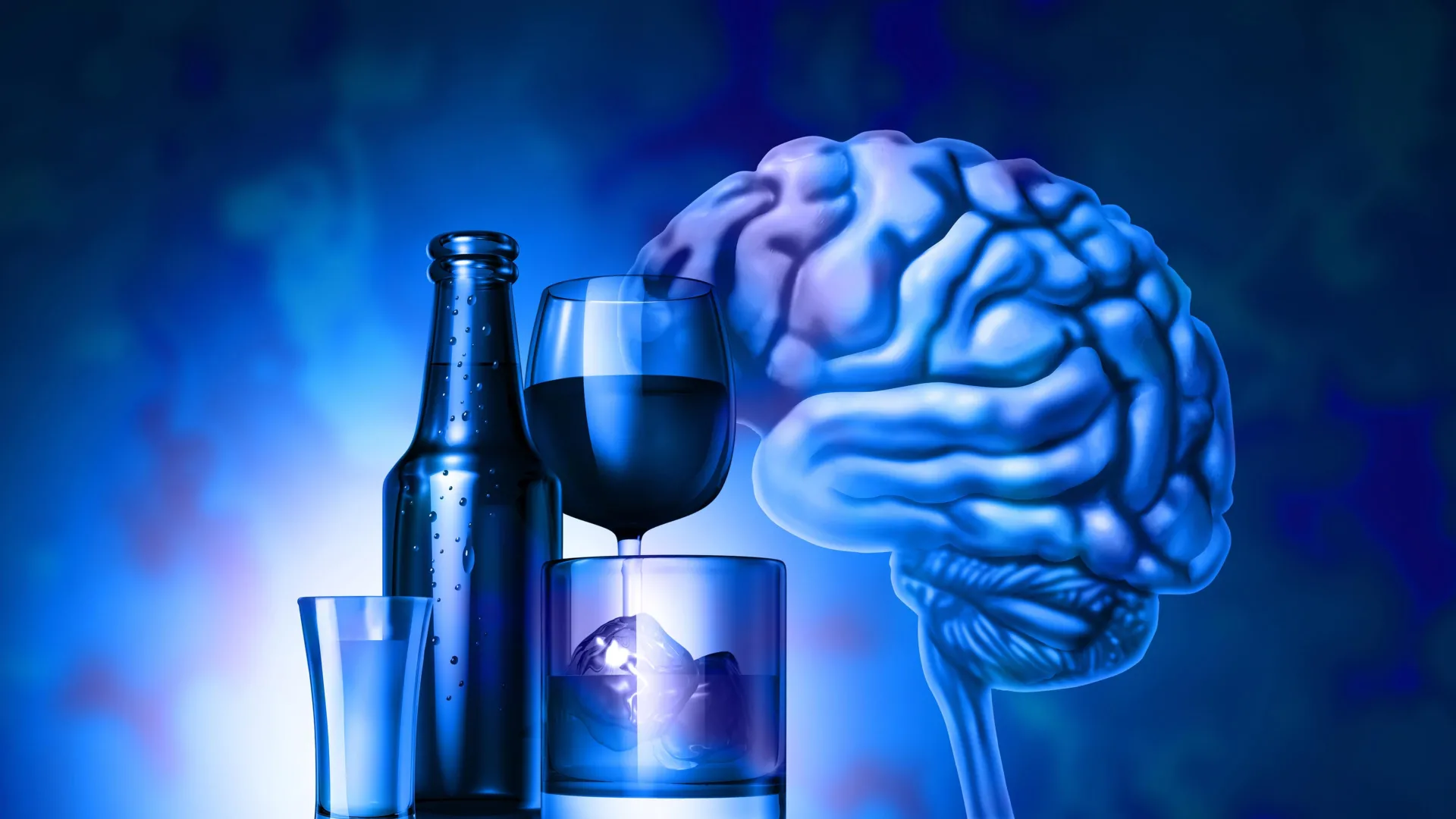
Young people who drink alcohol to manage stress risk permanent brain changes that extend far beyond their drinking years, according to research highlighting how stress-induced alcohol use alters neural function.
The study found that using alcohol as a coping mechanism during youth rewires critical brain regions, reducing the brain's capacity to adapt to future stressors. This neuroplastic damage appears to persist even after individuals stop drinking, creating lasting vulnerability to relapse. Researchers identified biomarkers consistent with early dementia-related brain changes, suggesting the neurological consequences persist long term.
The research underscores a troubling cycle. Young drinkers who turn to alcohol for stress relief face not just immediate health risks but enduring cognitive deficits that compromise their ability to handle future challenges. This reduced adaptive capacity then increases the probability of returning to alcohol use, potentially creating a self-perpetuating pattern of drinking and brain deterioration.
The findings have implications for understanding substance use disorders in adolescents and young adults. Stress management through alcohol becomes especially problematic during developmental years when the brain remains highly plastic and susceptible to lasting changes. Once these neural pathways solidify, they appear resistant to reversal.
The dementia-associated markers represent a particularly concerning finding. They suggest that stress-driven drinking in youth may accelerate cognitive aging, with consequences that unfold across the lifespan.
Early intervention targeting stress management strategies becomes critical. Teaching young people alternative coping mechanisms before alcohol use begins could prevent the neurological rewiring identified in this research. Treatment approaches for established alcohol use disorder may need to address both the structural brain changes and the underlying stress management deficits that perpetuate the condition.
The study adds to growing evidence that adolescent and young adult drinking carries distinct risks beyond those facing adult drinkers, particularly when drinking serves as a coping tool rather than recreational use.