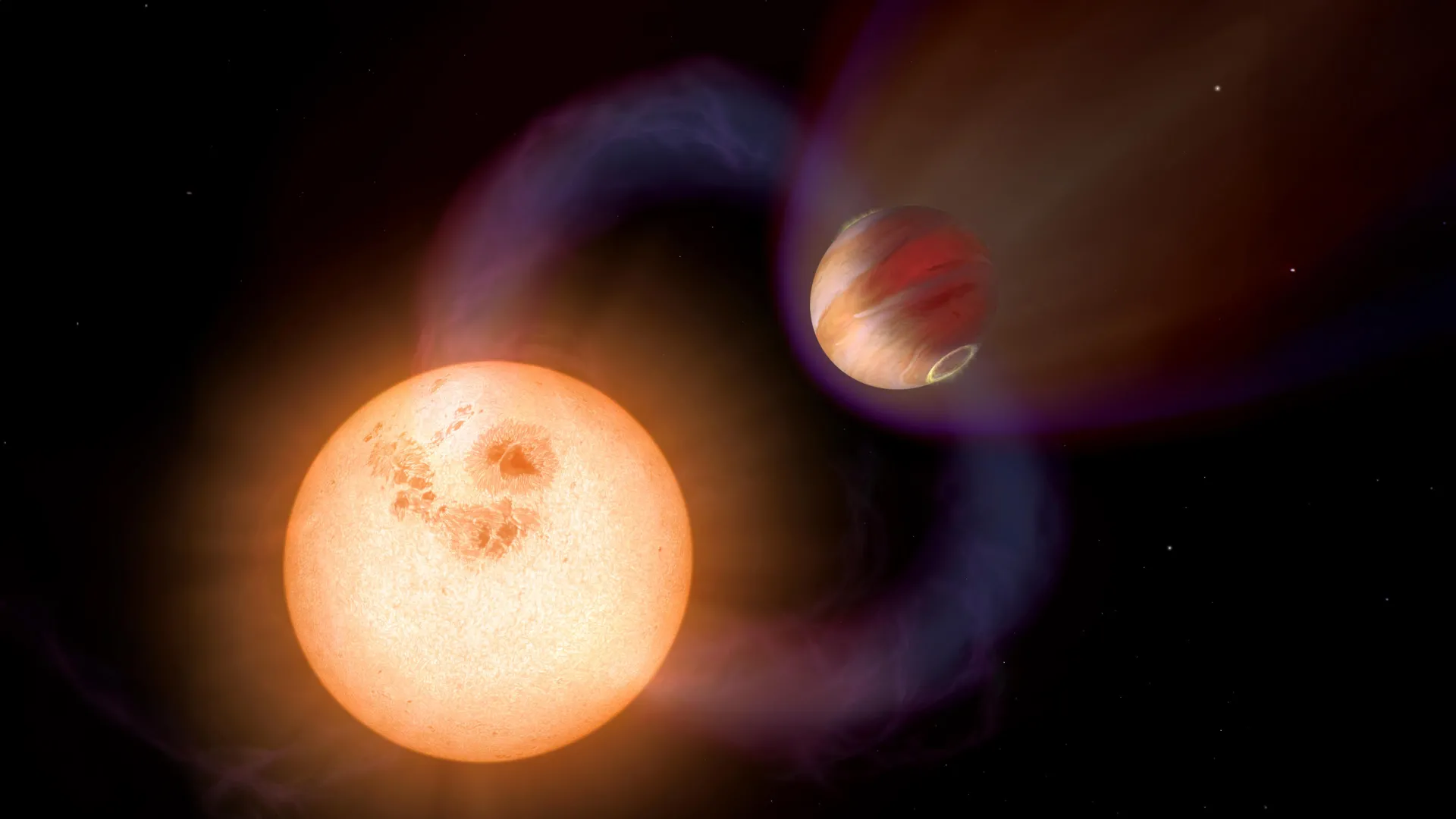
Astronomers deployed RAVEN, an artificial intelligence system, to analyze data from NASA's TESS space telescope. The tool identified over 100 confirmed exoplanets, including 31 previously unknown worlds, while flagging thousands of additional candidates for further study.
The discoveries include rare and extreme planetary systems. Some planets complete orbits in less than a day, racing around their host stars at breakneck speeds. Others occupy the "Neptunian desert," a region where planets rarely form according to current understanding.
RAVEN's success demonstrates how machine learning accelerates astronomical research. Traditional methods for combing through TESS data are time-consuming. The AI system processes millions of stars systematically, catching subtle signals humans might miss. This approach opens doors to finding increasingly exotic worlds and understanding planetary formation better.
The next phase involves validating the thousands of candidates RAVEN flagged. Astronomers will use ground-based telescopes and other space observatories to confirm which candidates are genuine exoplanets. Each confirmation adds another data point to humanity's growing catalog of worlds beyond our solar system.