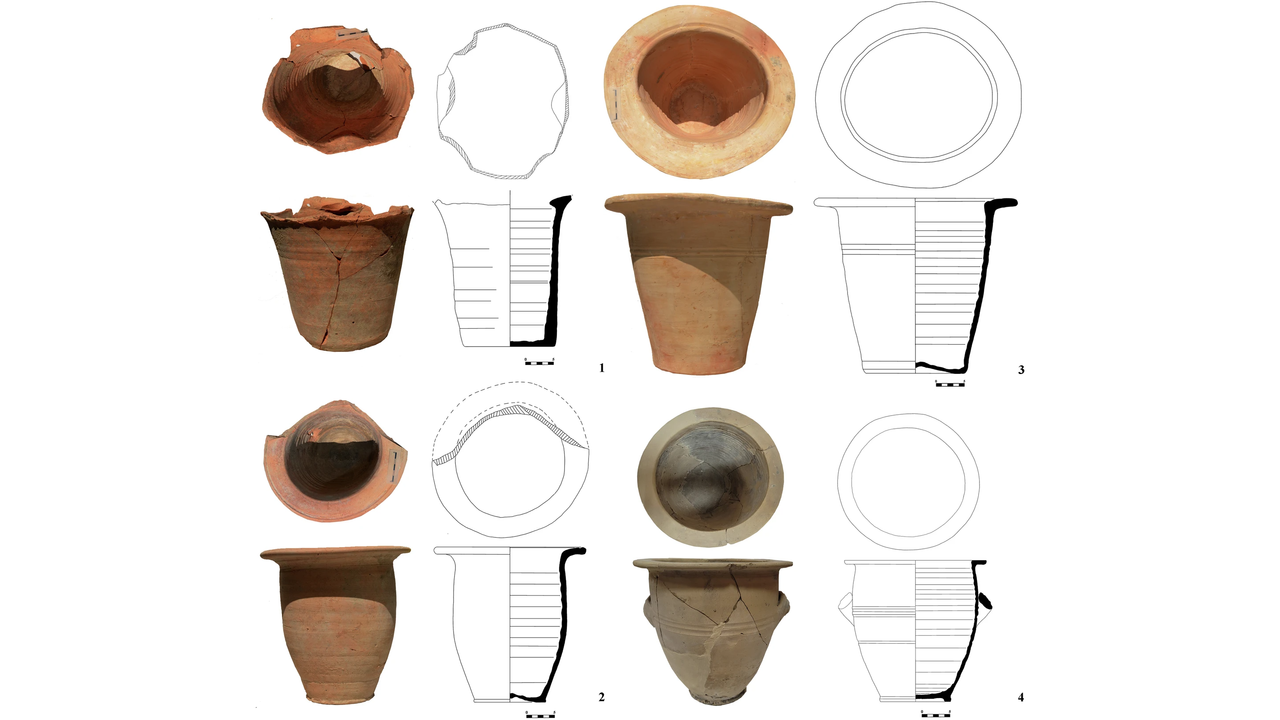
Archaeologists discovered the oldest known human infections with Cryptosporidium parasite in chamber pots recovered from the Roman Empire's frontier. The finding pushes back the earliest documented evidence of this intestinal infection by centuries.
Researchers analyzed fecal deposits preserved in ancient pottery vessels. The samples contained Cryptosporidium oocysts, the parasite's microscopic reproductive structures. This parasite causes severe diarrhea and dehydration, particularly in young children and immunocompromised individuals.
The discovery matters because it rewrites the history of this persistent pathogen. Cryptosporidium remains a global health threat today, infecting over 700,000 people annually in low-income countries. Understanding when and where it infected humans helps scientists track how the parasite evolved and spread across populations.
The chamber pots come from Roman military sites along the empire's boundaries, suggesting soldiers and frontier populations faced this health challenge. Poor sanitation practices common in ancient military camps likely enabled transmission.
Researchers plan to analyze more archaeological samples from different time periods and regions. This approach could reveal how human-parasite relationships changed as civilizations developed better water systems and hygiene practices. The work demonstrates that ancient refuse offers valuable data about disease history and human biology.