# Female Samurai in Japan: History's Hidden Warriors
Japan's samurai class included women warriors, though historical records largely overlooked them. Female samurai, known as onna-bugeisha, trained in combat and served alongside their male counterparts during feudal Japan's warfare periods.
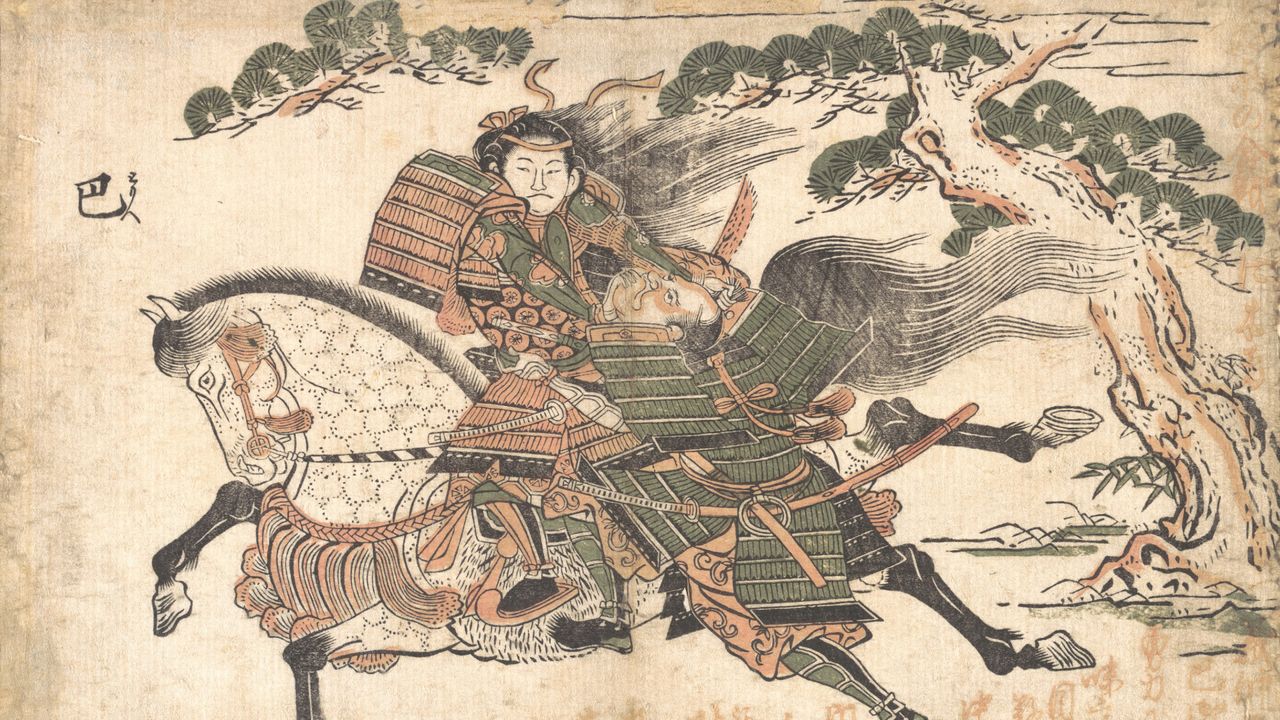
These women mastered weapons including the naginata (a curved blade on a pole) and short swords. Some led troops and defended castles during sieges. Tomoe Gozen stands as the most documented example. She fought in the Genpei War during the 12th century and earned respect as a skilled archer and swordswoman.
The decline of female samurai coincided with Japan's shift toward peace during the Edo period (1603-1868). As warfare decreased, the samurai class itself transformed. Cultural values increasingly confined women to domestic roles, and martial training for females became rare.
Modern historians recovered these stories through examining old chronicles, military records, and family documents that earlier scholars had dismissed or ignored. The erasure of female samurai from popular history reflects broader patterns in how societies preserve warrior narratives.
Understanding Japan's female combat traditions challenges the assumption that samurai culture was exclusively male. These warriors shaped military history and deserve recognition in the historical record.