# Summary
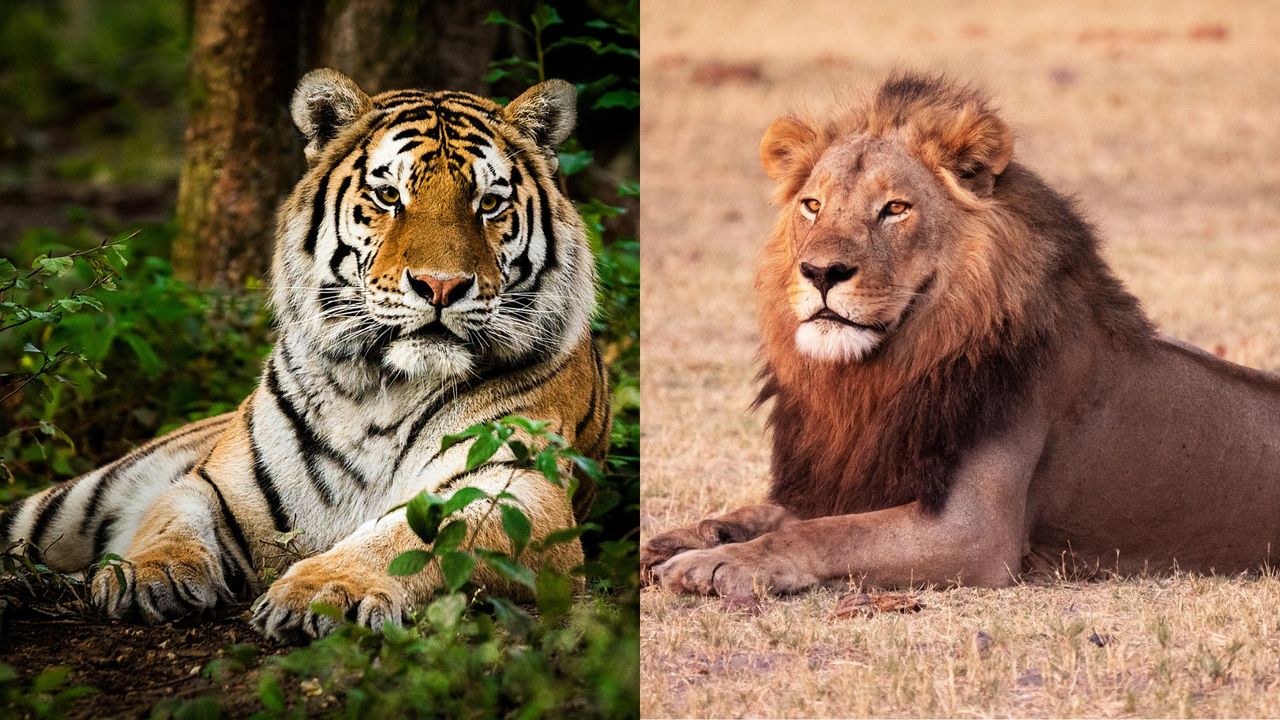
Lions and tigers diverge far beyond their obvious visual differences. While stripes distinguish tigers from maned lions, researchers have identified deeper biological and behavioral distinctions that separate these apex predators.
The animals evolved along different paths after diverging from a common ancestor millions of years ago. Lions adapted to savanna life, developing social structures centered on pride living and cooperative hunting. Tigers evolved as solitary ambush hunters suited to dense forest and grassland environments across Asia.
Genetic analysis reveals substantial differences in their DNA. Their skeletal structures reflect their hunting strategies: tigers possess longer limbs and more flexible spines for stalking prey through vegetation, while lions developed stronger forelimbs suited to group takedowns of large herbivores.
Physiologically, tigers maintain higher metabolic rates and possess specialized night vision for nocturnal hunting. Lions, active during twilight and early morning hours, developed different sensory priorities and energy management systems.
These distinctions matter for conservation efforts and captive breeding programs. Understanding how fundamentally different these species are helps scientists protect each population appropriately rather than treating them as interchangeable big cats.