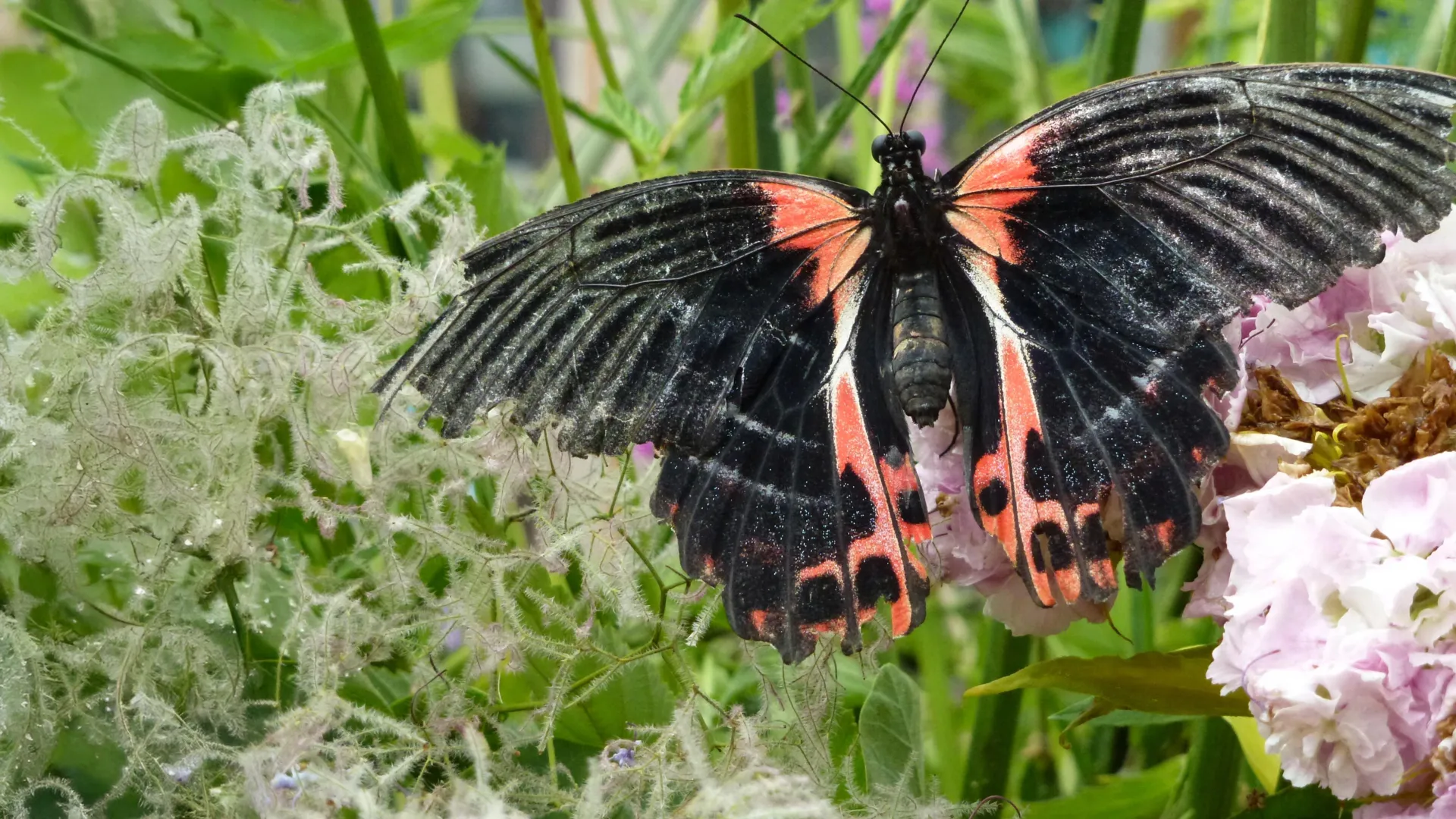
Evolution follows predictable patterns more often than scientists realized. Researchers discovered that butterflies and moths separated by 120 million years of evolution reused identical gene pairs to develop nearly identical warning colors. Rather than waiting for random mutations to alter the genes themselves, evolution simply switched these genes on and off in different ways across species.
This finding overturns the traditional view that evolution operates through random chance alone. The repeated use of the same genetic toolkit suggests that life evolves along constrained pathways. When organisms face similar environmental pressures, they reach for the same genetic solutions because those solutions work.
The work matters because it reveals evolution as partially predictable. If the same genes solve the same problems across distant species, scientists can potentially forecast how organisms adapt to new challenges. Understanding these genetic constraints could improve predictions about how life responds to climate change or disease.
Researchers will likely expand this work to other traits and species groups. The next phase involves mapping which genes evolution repeatedly reuses and identifying the rules governing when organisms tap into these genetic shortcuts rather than developing novel solutions.