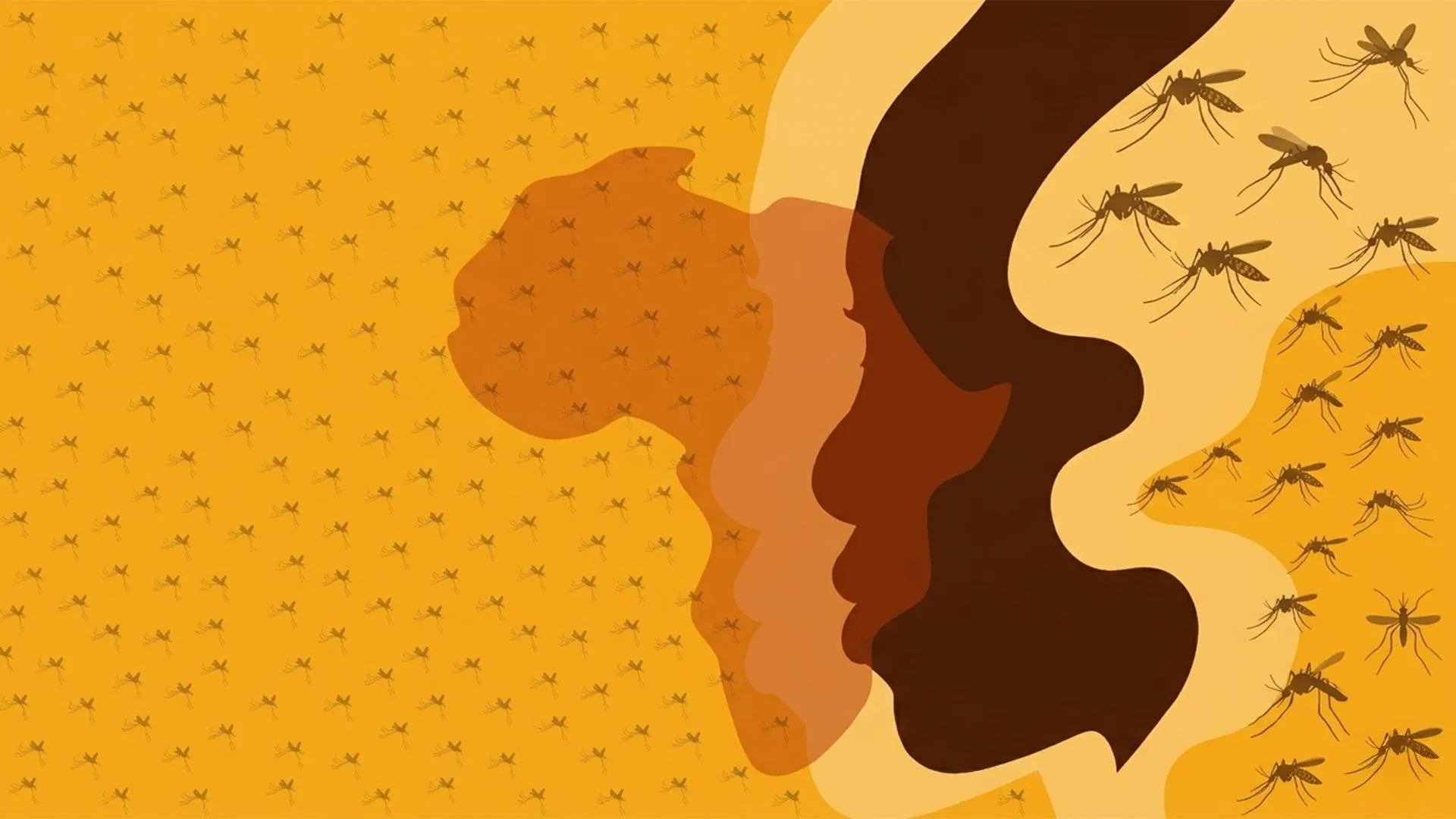
Malaria shaped human evolution and migration patterns across Africa long before written history. New research reveals that the disease didn't just kill early humans. It actively repelled populations from high-risk regions, fragmenting groups over tens of thousands of years.
This forced separation had profound consequences. When populations remained isolated, they developed distinct genetic profiles. Over time, these separated groups eventually met again, mixed, and exchanged genes. The encounters created the genetic diversity observed in modern human populations.
The findings reframe malaria as more than a health threat. The disease functioned as a geographic barrier that influenced where humans settled and how they developed. By pushing ancestors away from certain regions, malaria indirectly shaped human genetic architecture.
Researchers studied ancient migration patterns and genetic records to reach these conclusions. The work connects disease history to human evolutionary biology in new ways.
Understanding this relationship matters for modern medicine. It explains why certain populations carry genetic traits linked to malaria resistance. As climate change alters malaria's range, knowing this history helps predict how the disease might affect humans in the future. Scientists plan to integrate more ancient DNA evidence with disease modeling to refine these findings.