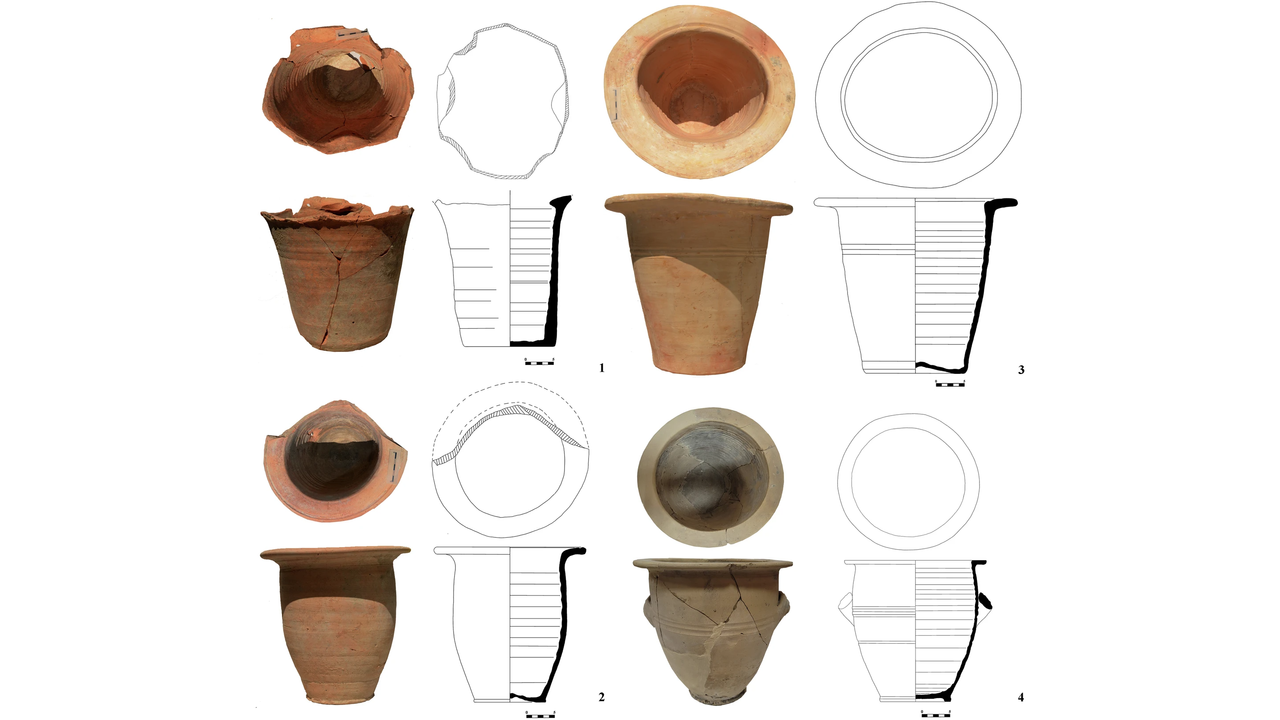
Archaeologists examining chamber pots from a Roman frontier settlement have identified the oldest known human cases of Cryptosporidium infection. The parasite, recovered from fecal residue in the pottery vessels, dates back nearly 2,000 years.
Cryptosporidium causes severe diarrheal disease and remains a major public health threat today, particularly in areas with poor sanitation. The discovery reveals that Romans contended with the same waterborne pathogen that affects millions of people globally.
Researchers analyzed microscopic oocysts, the hardy egg-like structures of the parasite, preserved in the chamber pot deposits. The find pushes back the documented history of human Cryptosporidium infection by centuries. Previous evidence came from much more recent archaeological and historical sources.
The Roman frontier location suggests the parasite thrived in crowded military settlements with inadequate sewage systems. Understanding how ancient populations managed infectious diseases informs modern public health strategies, particularly for developing regions still battling the parasite.
Future work will examine additional archaeological sites to map the geographic spread and evolution of Cryptosporidium across the ancient world. Researchers plan to extract DNA from the oocysts to determine if modern strains descended from these Roman-era parasites.