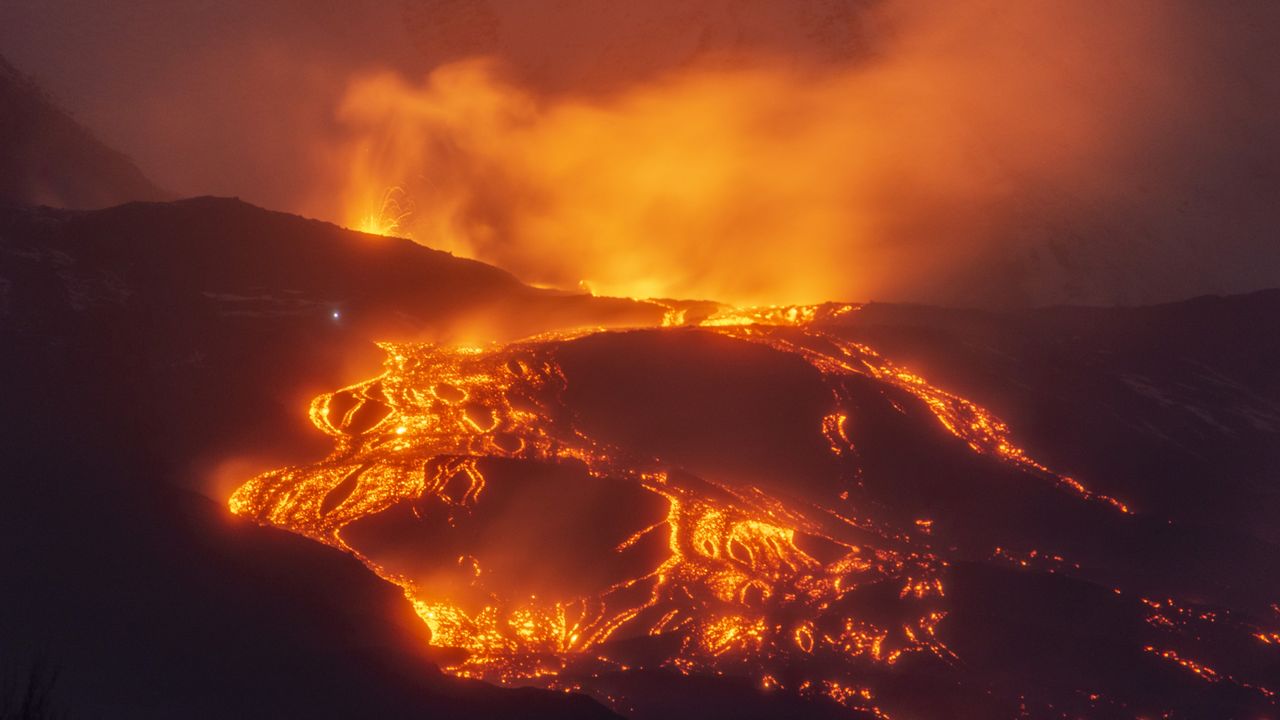
Mount Etna doesn't behave like other volcanoes on Earth. New research explains why: the Sicilian volcano formed through an entirely different geological process than scientists previously understood.
The volcano's unusual lava composition has puzzled researchers for decades. Traditional volcanic formation involves magma rising from Earth's mantle through the crust. Mount Etna appears to have developed differently, according to the latest findings.
Scientists identified that Etna's unique chemistry and eruption patterns stem from its anomalous origins. The volcano represents what researchers describe as "a new type of volcanism." This discovery fundamentally challenges existing models of how volcanoes form and evolve.
Understanding Mount Etna's formation has practical implications. It helps geologists predict volcanic behavior and assess hazard risks for the nearby population of nearly 700,000 people. The research also refines scientists' broader knowledge of Earth's internal dynamics and crustal processes.
Researchers plan to study Mount Etna's geological record further. They aim to determine whether other volcanoes worldwide formed through similar mechanisms, potentially reclassifying entire volcanic systems based on this new framework.