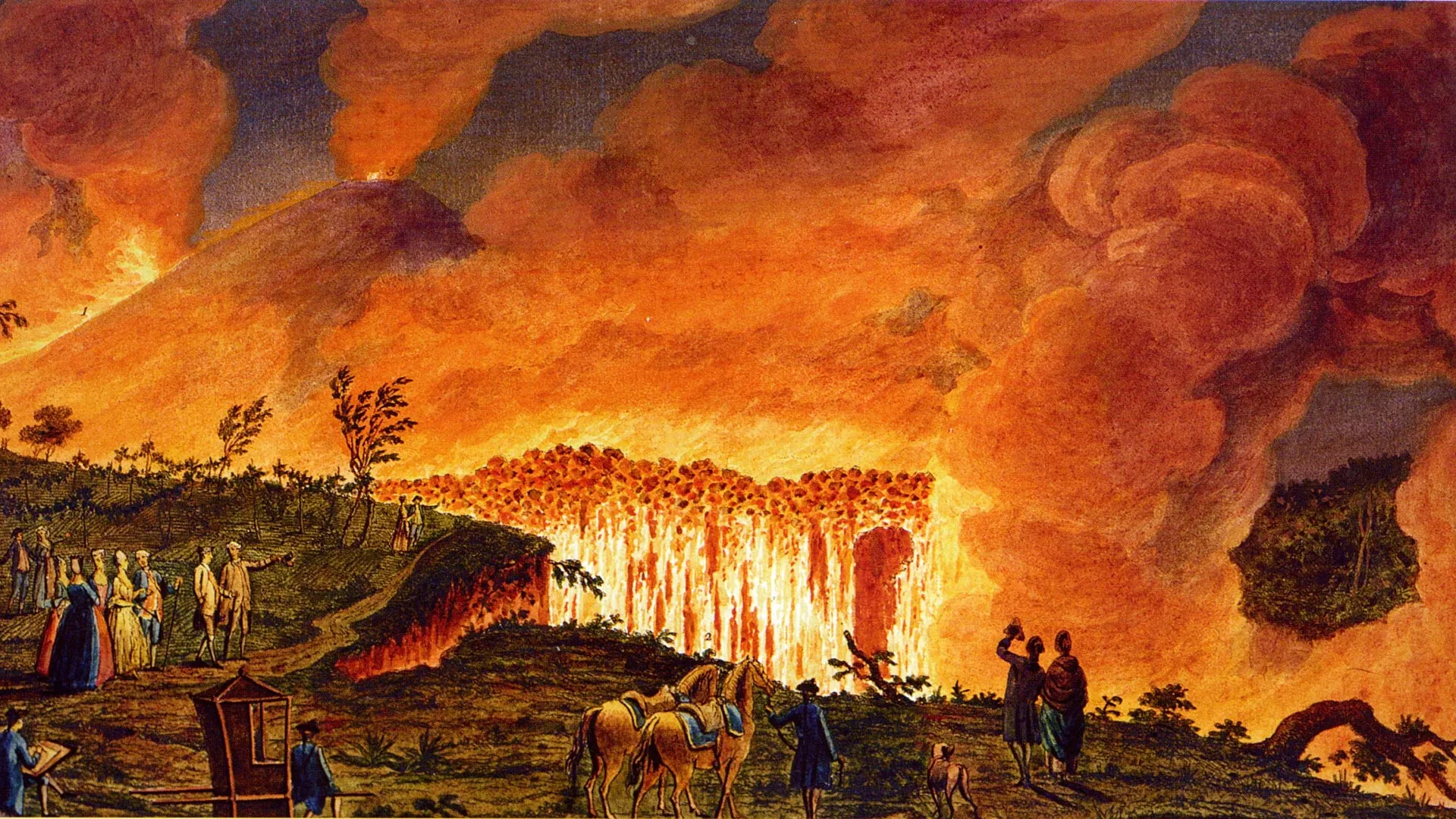
Two University of Melbourne engineering students brought an 18th-century dream to life by reconstructing Sir William Hamilton's mechanical volcano. Hamilton, a volcanology enthusiast, conceived the design in 1775, leaving behind a watercolor painting and sketch as his only blueprints. The students used modern LED lighting and electronic systems to recreate what Hamilton envisioned. The mechanical model simulates the glowing lava flows and explosive eruptions of Mount Vesuvius with dramatic effect.
Hamilton's original concept never materialized during his lifetime, making this 250-year gap between imagination and execution remarkable. The recreation required the engineering students to interpret 18th-century artistic renderings into functional specifications, bridging centuries of technological change. Their work demonstrates how historical scientific curiosity can inspire contemporary problem-solving.
The project reveals Hamilton's sophisticated understanding of volcanic phenomena at a time when volcanology was still emerging as a discipline. His mechanical approach anticipated modern simulation techniques by centuries. This reconstruction offers insights into both historical scientific thinking and the evolution of engineering practices. The students' success suggests that other historical designs merit similar revival, potentially unlocking forgotten innovations lost to time.