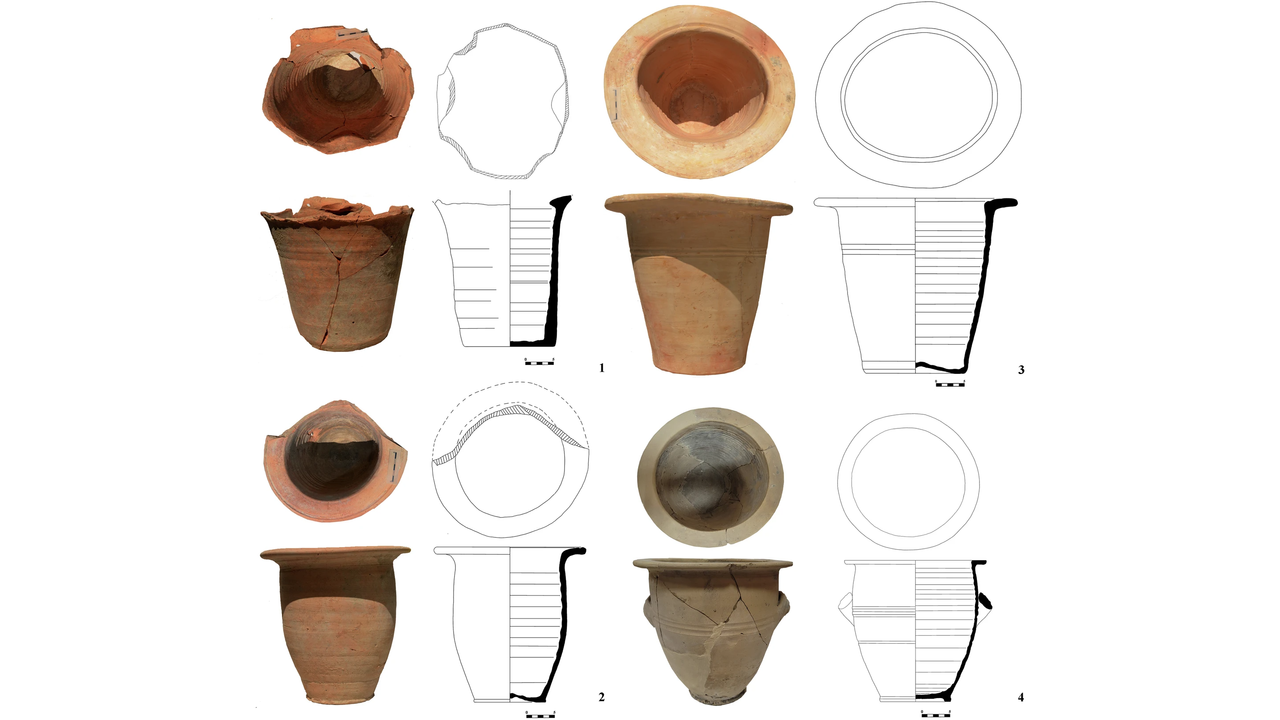
Archaeologists analyzing ancient chamber pots from Roman frontier settlements discovered the oldest known human infections with Cryptosporidium, a parasitic pathogen that causes severe diarrhea. The findings push back the earliest documented cases of this infection by centuries.
Researchers examined fecal residue preserved in pottery vessels excavated from Roman military outposts. Chemical and microscopic analysis revealed Cryptosporidium oocysts, the parasite's infectious stage, embedded in the deposits. The discovery demonstrates that this waterborne pathogen plagued humans during the Roman period, likely spreading through contaminated water supplies that served crowded military camps and settlements.
Cryptosporidium remains a significant public health threat today, particularly in developing regions with poor sanitation. The parasite infects over 700,000 people annually, causing diarrhea that can prove fatal for immunocompromised individuals.
This research reveals how parasites adapted to human populations in antiquity and spread through expanding empires. Understanding the historical prevalence of Cryptosporidium helps scientists track how infectious diseases have shaped human history and settlement patterns. Future studies of archaeological latrines and waste deposits may uncover other ancient infections, providing a clearer picture of pathogen evolution and the sanitation challenges faced by historical civilizations.