# Roman Frontier Life Revealed Through Ancient DNA
Researchers analyzing skeletal remains from Roman frontier settlements after the empire's collapse discovered details about daily life during a transformative historical period. DNA analysis of burials spanning over 1,000 years shows how communities adapted after Rome's fall.
The study identified patterns in family structures. Evidence suggests long-term pair bonding, with genetic markers indicating stable partnerships across generations. Researchers also found cases of children who lost one parent, termed "half orphans" in the analysis, revealing mortality patterns in these frontier populations.
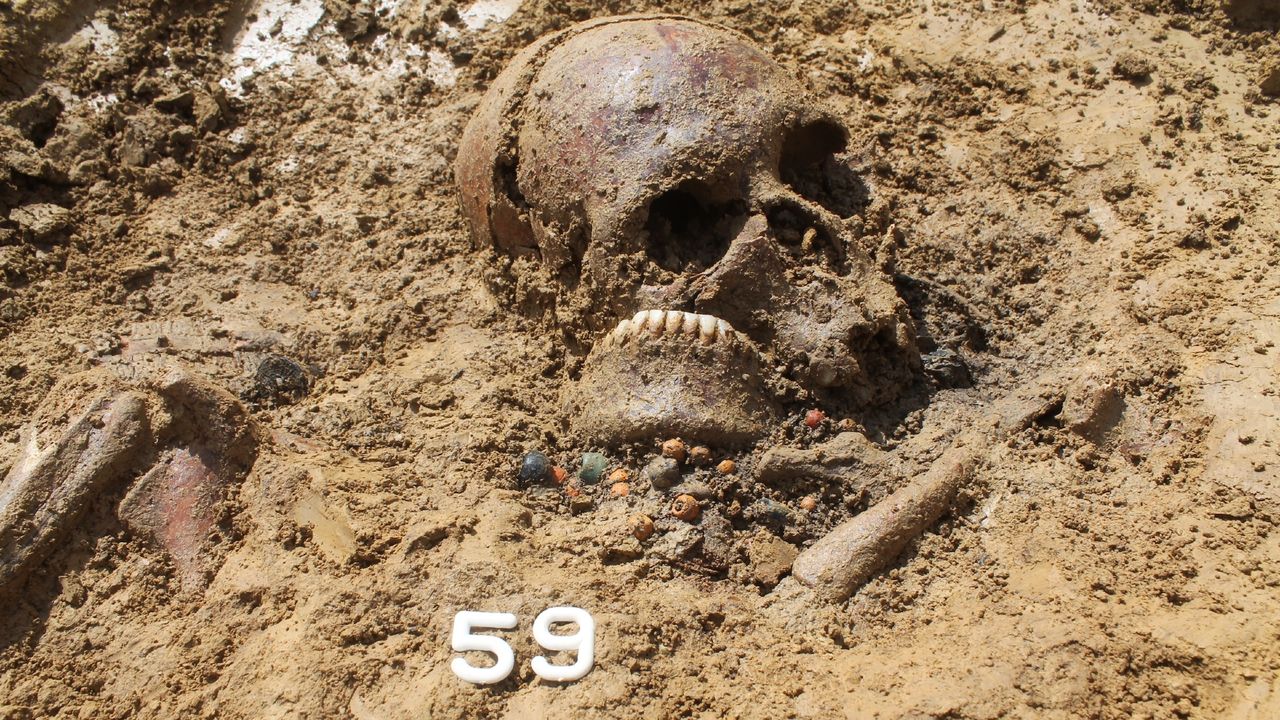
The findings come from burial sites in regions that once formed the empire's outer edges. Skeletal remains provided sufficient genetic material for researchers to reconstruct family relationships and population movements. The data shows how frontier populations maintained connections to both Roman and post-Roman cultural practices.
This work matters because it fills gaps in understanding how ordinary people lived during Rome's decline. Rather than relying solely on written records, DNA provides direct biological evidence of family life, migration, and survival strategies. The research demonstrates how frontier communities persisted and adapted during political upheaval.
Future analysis will likely examine more burial sites across different frontier regions to track population changes and cultural continuity over centuries.