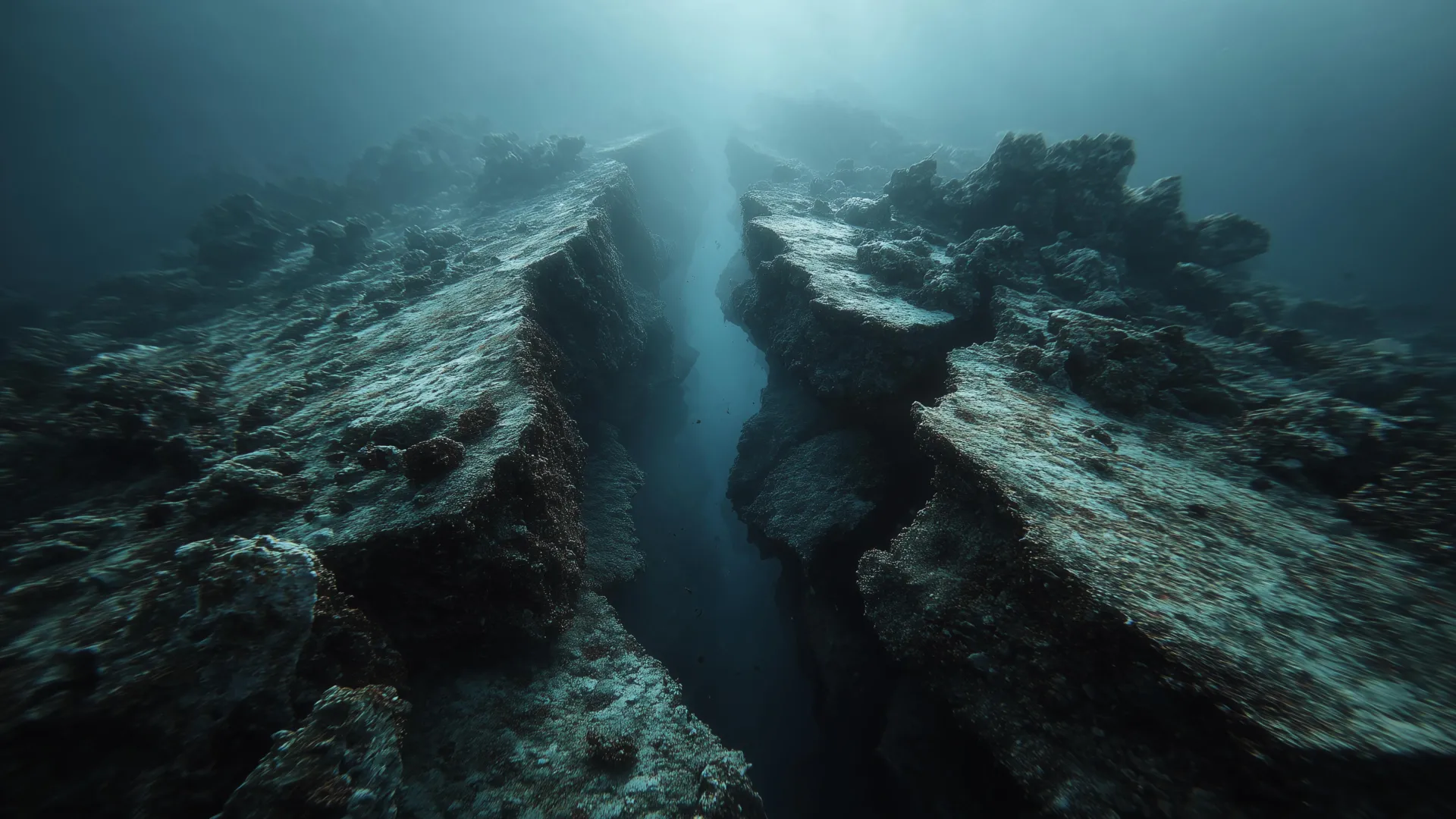
Scientists observed a subduction zone fragmenting beneath the Pacific Northwest for the first time. Using seismic imaging, researchers detected the Juan de Fuca plate splitting into pieces as it descends under North America, rather than collapsing suddenly. The process resembles a train derailing gradually, with the plate tearing incrementally along the ocean floor.
This discovery explains geological mysteries that have puzzled scientists for decades. Ancient plate fragments scattered throughout the region now have a clear origin. The Juan de Fuca plate, which sits roughly 200 miles offshore from Washington and Oregon, has been sinking beneath the continental crust for millions of years. The new findings reveal this subduction happens through fragmentation rather than wholesale collapse.
The research carries immediate implications for earthquake forecasting. Understanding how plates break apart helps scientists predict seismic behavior more accurately. The Juan de Fuca zone remains an active seismic region, and knowledge of its structural breakdown patterns could improve hazard assessments for coastal communities.
Researchers plan to expand seismic monitoring networks to track how fragmentation progresses. Advanced imaging technology allowed this breakthrough, and continued study promises deeper insights into plate mechanics globally.