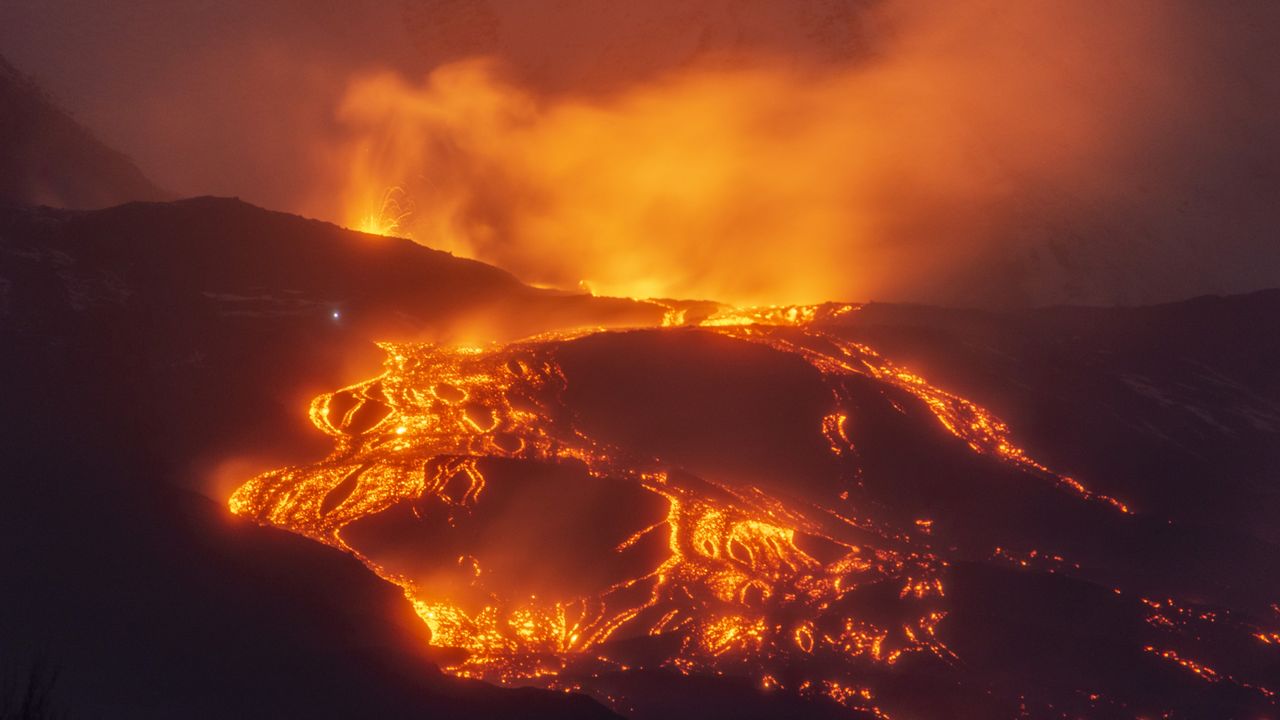
Mount Etna exhibits volcanic behavior unlike any other volcano on Earth, according to new research that explains the Sicilian volcano's puzzling lava composition. Scientists have long struggled to understand why Etna produces lava with chemical properties that don't match standard volcanic models. The research reveals that Etna formed through an unusual geological process that created conditions distinct from other active volcanoes worldwide.
The findings suggest Etna represents "a new type of volcanism," challenging existing frameworks for how volcanoes develop and erupt. This discovery matters because it expands our understanding of volcanic systems and could reshape how geologists classify and predict volcanic behavior. The unique formation process at Etna likely involved interactions between the Earth's mantle and crust that differ fundamentally from mechanisms observed at other major volcanoes like those in Hawaii or Indonesia.
Researchers plan to investigate whether similar volcanic systems exist elsewhere on the planet. If Etna's formation process proves common, it could indicate that current volcanic models require substantial revision. The work also has practical implications for monitoring Etna's future activity and understanding volcanic hazards in the Mediterranean region.