# Roman Frontier Life Revealed Through DNA
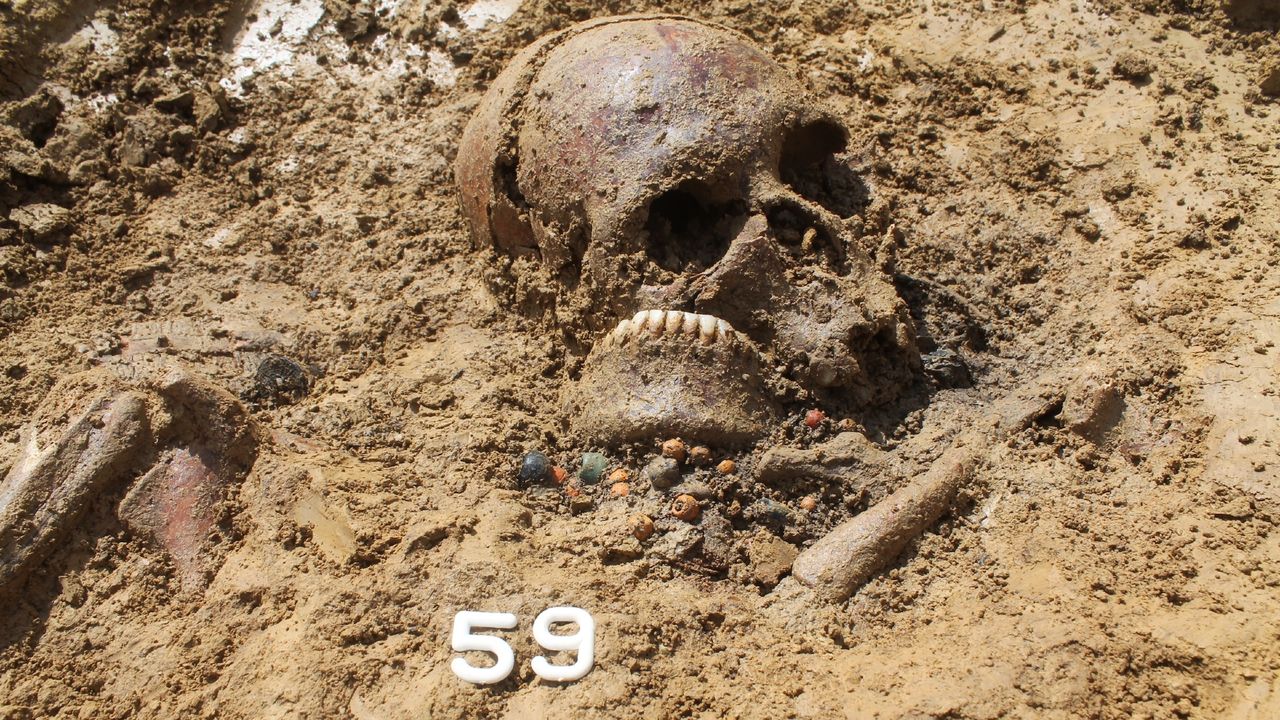
Researchers analyzed skeletal remains from burials spanning several centuries after Rome's collapse in the western empire. DNA evidence exposed intimate details about family structures and daily hardships on the frontier.
The study found evidence of lifelong monogamous partnerships among some community members. Genetic data also revealed patterns of childhood mortality, with many individuals losing parents early in life. Researchers identified what they term "half orphans," children who survived the death of one parent but not both.
These discoveries paint a portrait of instability and survival. High mortality rates, particularly among young people, shaped family dynamics and social bonds. The genetic signatures show how communities adapted to the loss of imperial infrastructure and security.
The analysis combined DNA sequencing with skeletal morphology and burial practices. Researchers tracked kinship patterns across generations, reconstructing family trees from ancient remains. This approach reveals how real people navigated collapse and reorganization.
The findings advance understanding of the post-Roman transition period, a historically murky era. Rather than seeing this time as mere decline, the evidence shows resilient populations maintaining social structures despite hardship. Future research will expand this work to other frontier regions, potentially revealing how different communities coped with empire's end.