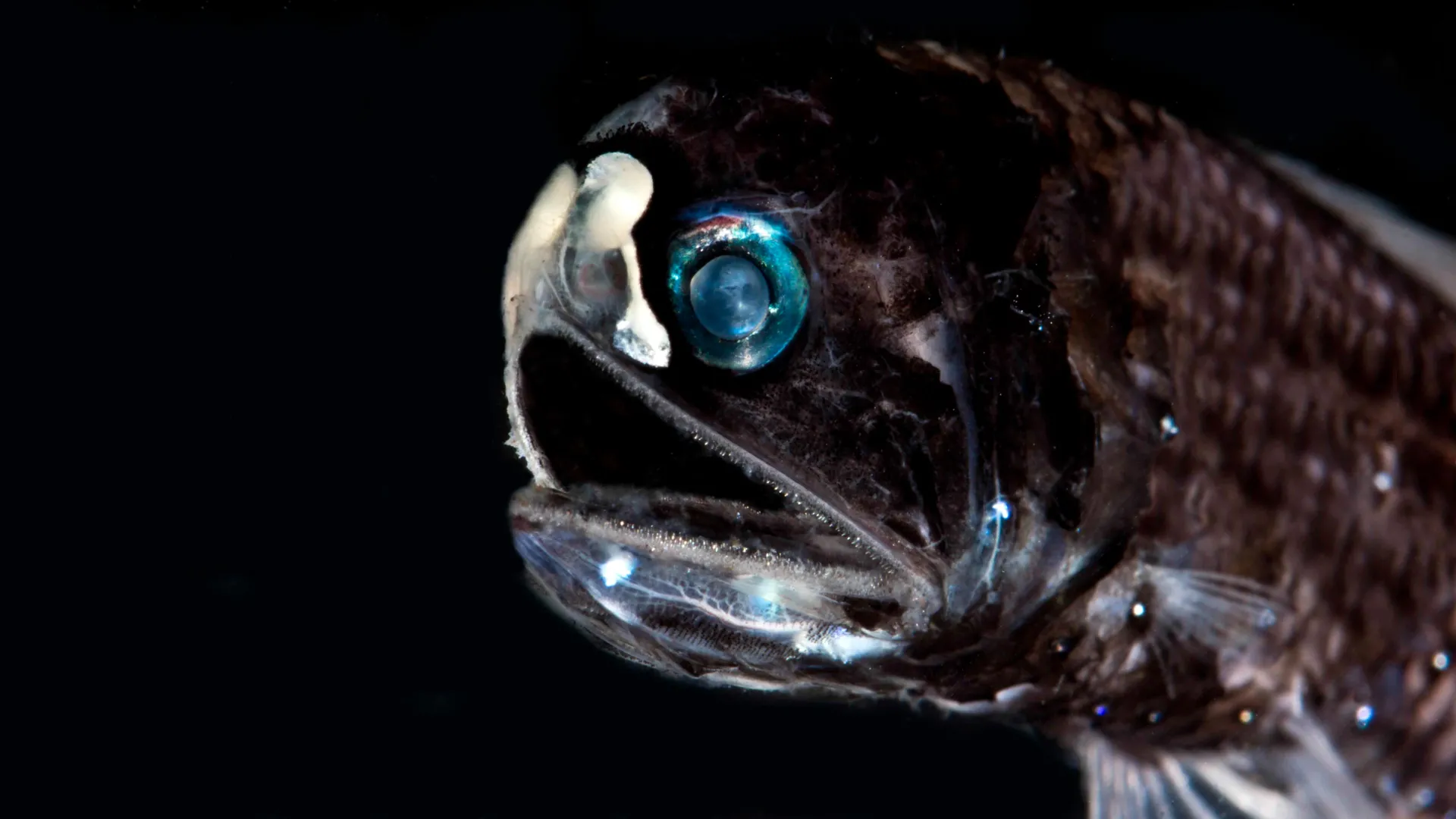
Genetic analysis of deep-sea marine animals reveals unexpected extinction risk in the Gulf, challenging the long-held belief that deep ocean environments provide natural protection from environmental threats.
Researchers at Florida International University led by Pedro A. Peres examined DNA from 486 specimens of three lanternfish species and two deep-sea shrimp species collected between 2011 and 2023. All five species displayed genetic characteristics linked to greater extinction risk. One lanternfish species, Diaphus dumerilii, lost approximately 8% of its genetic diversity in just 12 years, a decline that matches or exceeds losses recorded in some threatened and endangered animals over considerably longer periods.
All five species had relatively small effective population sizes, meaning only a limited proportion of individuals pass genetic information to subsequent generations. This finding does not necessarily indicate the animals are scarce but suggests genetic vulnerability.
"This challenges the idea that deep-sea species are naturally more resilient because they occupy such vast environments," Peres said. "It shows how much we can miss when we look only at population abundance without considering their genetic diversity and long-term viability."
Heather Bracken-Grissom, assistant director of the Institute of Environment's Coastlines and Oceans Division and co-author of the study, explained that genetic diversity allows populations to adapt to changing conditions, resist disease, and recover from environmental disturbances. When diversity disappears, species can lose the ability to withstand future threats.
Climate models projecting conditions to 2050 and 2100 indicate that four of the five species could face substantial habitat losses, potentially reaching 70%. While researchers have not established a direct link between the 2010 Deepwater Horizon oil spill and the observed genetic changes, Peres noted that the results suggest some deep-sea populations may have already been genetically vulnerable before the spill.
The study, which includes co-authors Keith Sellers of FIU and Tracey T. Sutton of Nova Southeastern University, emphasizes the importance of integrating genetic monitoring into biodiversity assessments and conducting long-term monitoring of marine populations.