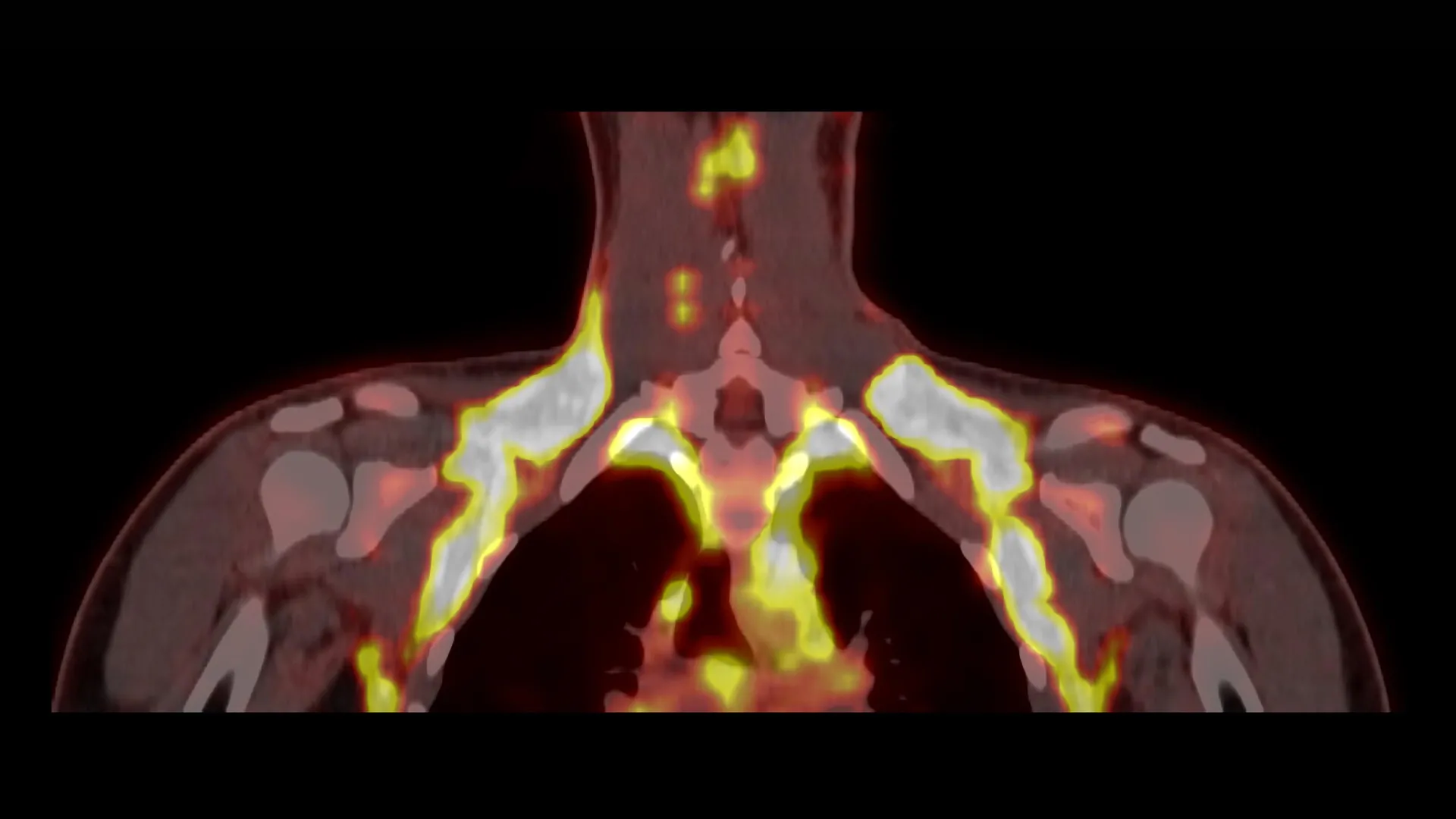
Researchers at the University of Basel and University Hospital Basel tested whether a drug could activate brown fat, the calorie-burning tissue that generates heat in the body. Their findings, published in Cell Metabolism, revealed an unexpected challenge for developing obesity treatments based on this approach.
The team led by Professor Matthias Betz studied 11 healthy volunteers. They compared mild cold exposure with fenoterol, a medication that stimulates beta2 adrenergic receptors. Both interventions increased energy expenditure. However, PET/CT scans showed a critical difference. Cold exposure produced clear brown fat activation, with the tissue absorbing significantly more glucose. Fenoterol did not produce comparable brown fat activation despite boosting overall calorie burning.
"We were surprised that energy expenditure increased strongly with fenoterol even though we could not detect a comparable activation of brown fat," Betz said. "Our study shows that an increase in energy expenditure does not automatically mean that brown fat has been activated."
The researchers suspect fenoterol may increase energy consumption in other tissues, such as skeletal muscle or white fat, but the exact location remains unclear. The findings indicate that regulating brown fat in humans involves more complex biological mechanisms than previously understood. Full activation may require multiple receptors or signals rather than stimulating a single one.
Betz noted that future obesity treatments could combine appetite reduction with increased calorie burning. "Ideally, we could combine a reduction in appetite with an increase in energy expenditure," he said. "But first we need a better understanding of how brown adipose tissue is regulated."