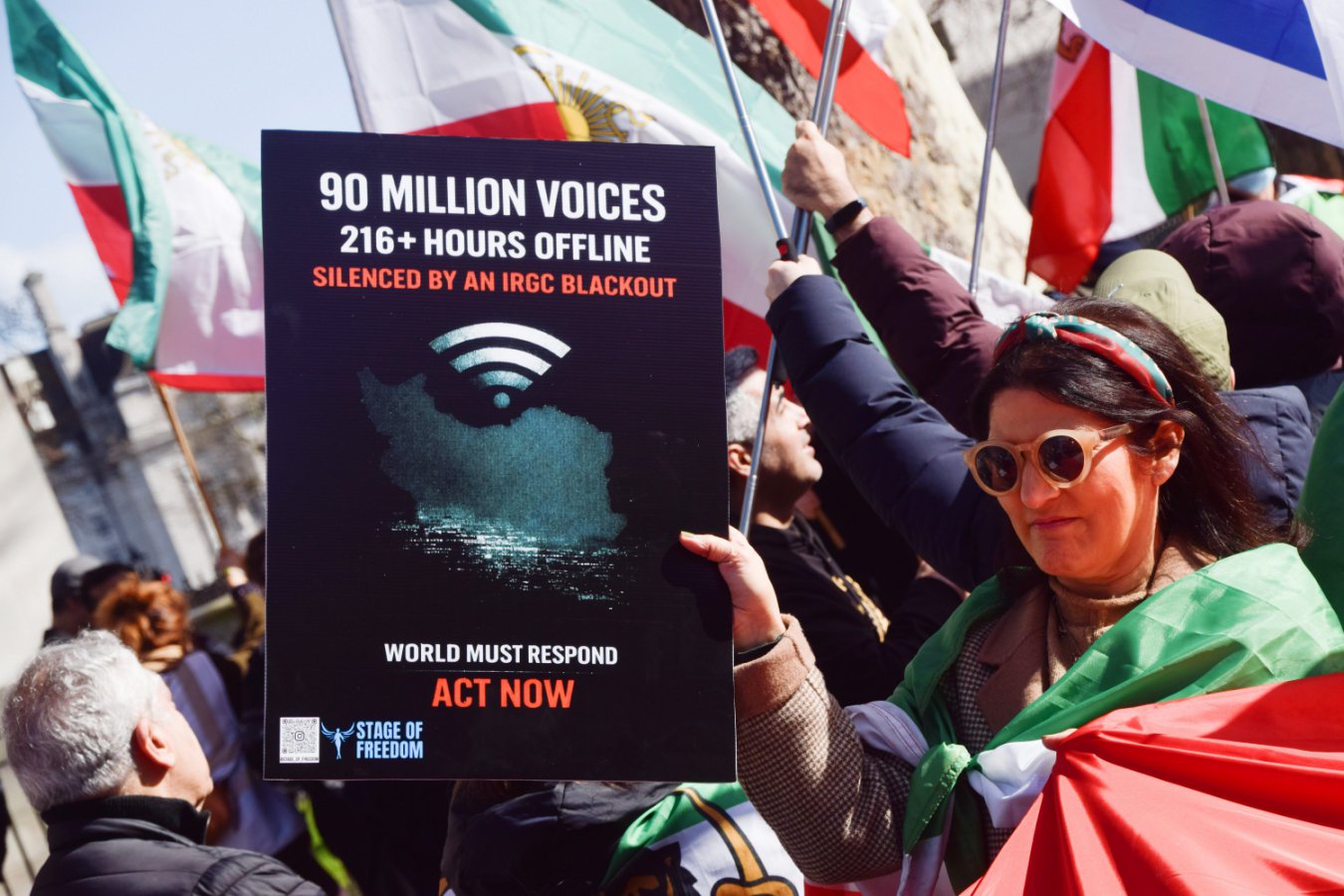
When Iran's deputy communications minister Mohammad Hafez Hakami warned on 30 September that direct-to-cell (D2C) satellite internet 'may make blackouts impossible in the future,' he inadvertently revealed what truly frightens authoritarian regimes. It is not the technology itself—at least not yet—but what it represents: a communications channel they cannot switch off. The admission exposes a fundamental vulnerability in how countries like Myanmar, Pakistan, Ethiopia and Iran maintain control during civil unrest.
D2C technology works fundamentally differently from existing satellite internet like SpaceX's Starlink. Rather than requiring a $4,000 terminal—costly enough that possession in Iran risks up to two years in prison—D2C lets ordinary smartphones connect directly to satellites in low Earth orbit. No specialized hardware. No large dish to hunt down. No privilege required. Companies like SpaceX and AST SpaceMobile are investing billions in the technology, with SpaceX targeting commercial rollout in the first half of 2028 for its next-generation broadband service. A basic version already operates commercially in the US through T-Mobile for texting and low-bandwidth apps.
The technology faces serious obstacles that may limit its near-term impact. Current D2C service averages only 4 megabits per second per beam, shared among all users in an area. Existing cell towers can jam the signal—as Tim Farrar of TMF Associates explains, a tower nearby will 'overpower the satellite signal that's going from hundreds of miles up in space.' Yet SpaceX's next-generation service, running on new AWS-4 and H-block spectrum frequencies purchased in 2025, promises 150 megabits per second and immunity from terrestrial jamming. The company predicts two years before compatible modems appear in smartphones, though widespread Iranian access may take considerably longer.
International law adds another barrier. Under International Telecommunication Union regulations, transmitters need host-country authorization, leading the UN body to side with Iran against Starlink. Since January 2026, digital rights groups including Witness, Access Now and Article 19 have lobbied governments and regulators to allow US companies to operate D2C services over Iran without authorization.
Yet as researcher Mahsa Alimardani of the Oxford Internet Institute notes, Iran's real concern transcends current capabilities. 'A channel that they can't switch off is a direct challenge to that fundamental aspect of their system,' she says, referring to centralized internet governance. For regimes built on controlling communications, controlling narrative, and controlling the ability to mobilize and organize, D2C represents an existential threat—not because it works perfectly today, but because it may work too well tomorrow.