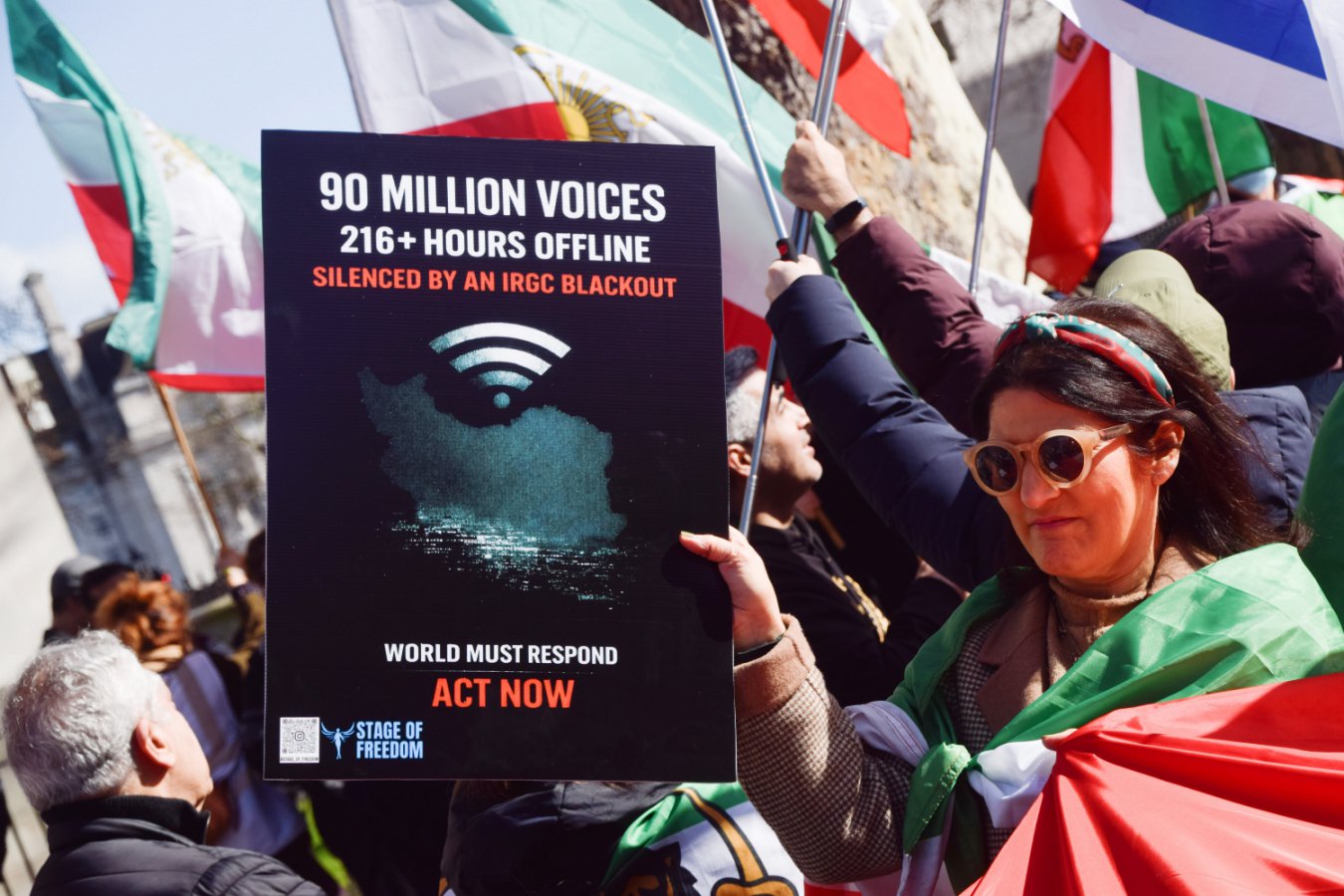
Iran's deputy communications minister Mohammad Hafez Hakami warned on 30 September that direct-to-cell (D2C) satellite internet technology could make government-imposed internet blackouts impossible by rendering current control measures like device registration ineffective.
D2C lets standard mobile phones connect to satellites without specialised hardware like Starlink terminals. SpaceX and AST SpaceMobile are developing the technology, which uses satellites carrying onboard mobile base stations that act as cell towers in space. A basic version already operates commercially in the US through T-Mobile for texting and low-bandwidth apps. SpaceX plans to launch a next-generation constellation capable of broadband speeds starting in 2027, with commercial rollout targeted for the first half of 2028.
Mahsa Alimardani, a researcher at the Oxford Internet Institute and founder of the D2C Coalition, says the technology could make satellite internet more available to wider populations in countries like Iran, where Starlink terminals cost up to $4,000 on black markets and carry risks of up to two years imprisonment.
Technical limitations currently constrain D2C's potential. Current service from Starlink and T-Mobile averages around 4 megabits per second per beam, shared among all users in an area. Mobile phone antennas are much smaller than Starlink terminals, limiting data reception. Tim Farrar at telecoms consultancy TMF Associates notes that existing cell towers in a country already using the same radio spectrum would overpower the satellite signal, functioning as jammers.
Starlink's next-generation D2C service plans to use new frequency bands, AWS-4 and H-block spectrum that SpaceX agreed to buy licences for in 2025. The company predicts speeds of 150 megabits per second under ideal conditions, roughly 38 times faster than current speeds. SpaceX is working with chip-makers to integrate necessary modems into next-generation smartphones, though Elon Musk predicted a two-year timeline before the mobile industry begins shipping compatible phones.
International law presents another obstacle. The International Telecommunication Union's radio regulations require transmitters operating on a country's territory to have that country's authorisation, leading the United Nations body to side with Iran in complaints against Starlink. Since January 2026, digital rights groups including Witness, Access Now and Article 19 have lobbied governments and satellite providers to allow US communications companies to operate D2C service over Iran.
Alimardani argues that Iran's concern may focus less on D2C's current capabilities and more on its future potential and what it symbolises. A satellite operator functioning without state licence and outside state control, she says, undermines Iran's model of centralised internet governance.