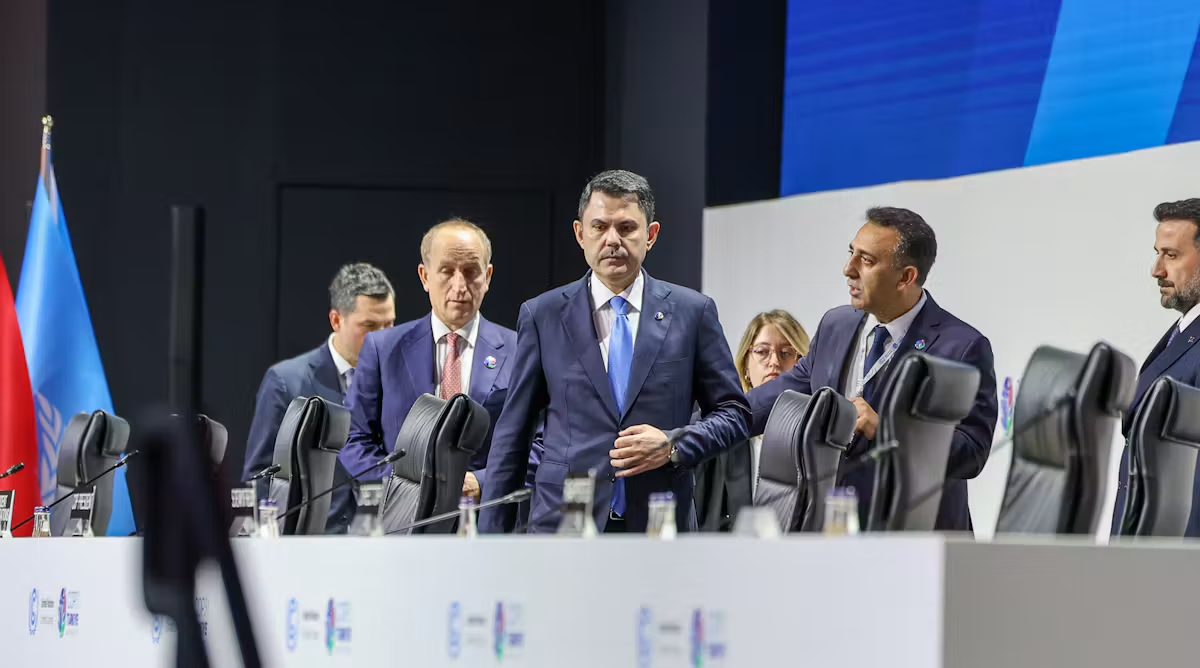
The COP31 climate summit in Antalya, Turkey collapsed after nearly two days of overtime when countries failed to agree on a final deal. Nearly 40 nations, including the European Union, United Kingdom, Panama, and Pacific island states like Vanuatu and the Marshall Islands, formally objected to draft text that contained no mention of phasing out fossil fuels. EU representatives called such a deal "unconscionable".
The summit also failed on several other fronts. Countries could not agree to triple adaptation financing to US$120 billion annually, even though adaptation needs in the Global South alone are estimated at around US$500 billion yearly. A goal for clean electricity to supply 35% of global energy by 2035 gained only voluntary support from 90 countries.
A major conflict centered on how the world handles science. Saudi Arabia, India, Russia, and at times China objected to citing UN Environmental Programme and World Meteorological Organization annual reports, dismissing them as "grey literature" and preferring only International Panel on Climate Change assessments.
The largest dispute involved timing of the IPCC's Seventh Assessment Report. Saudi Arabia, India and Russia were accused of pushing for a delay until 2029. European, African and Pacific nations want it delivered earlier to inform the 2028 Global Stocktake, when nations measure progress against Paris Agreement goals.
According to UNEP's "overshoot" report and the 2026 Global Carbon Budget report, the world will reach 1.5°C of warming around 2030, breaching the lower Paris Agreement limit. For small island states and least developed countries, the 1.5°C threshold is existential.
Tim Naish, professor of Earth Sciences at Te Herenga Waka Victoria University of Wellington and chair of the World Climate Research Programme's Joint Scientific Committee, attended COP31 as a climate science expert. He writes that organisers must weigh the cost and carbon footprint of flying in 92,000 people against the failure to produce a final text.