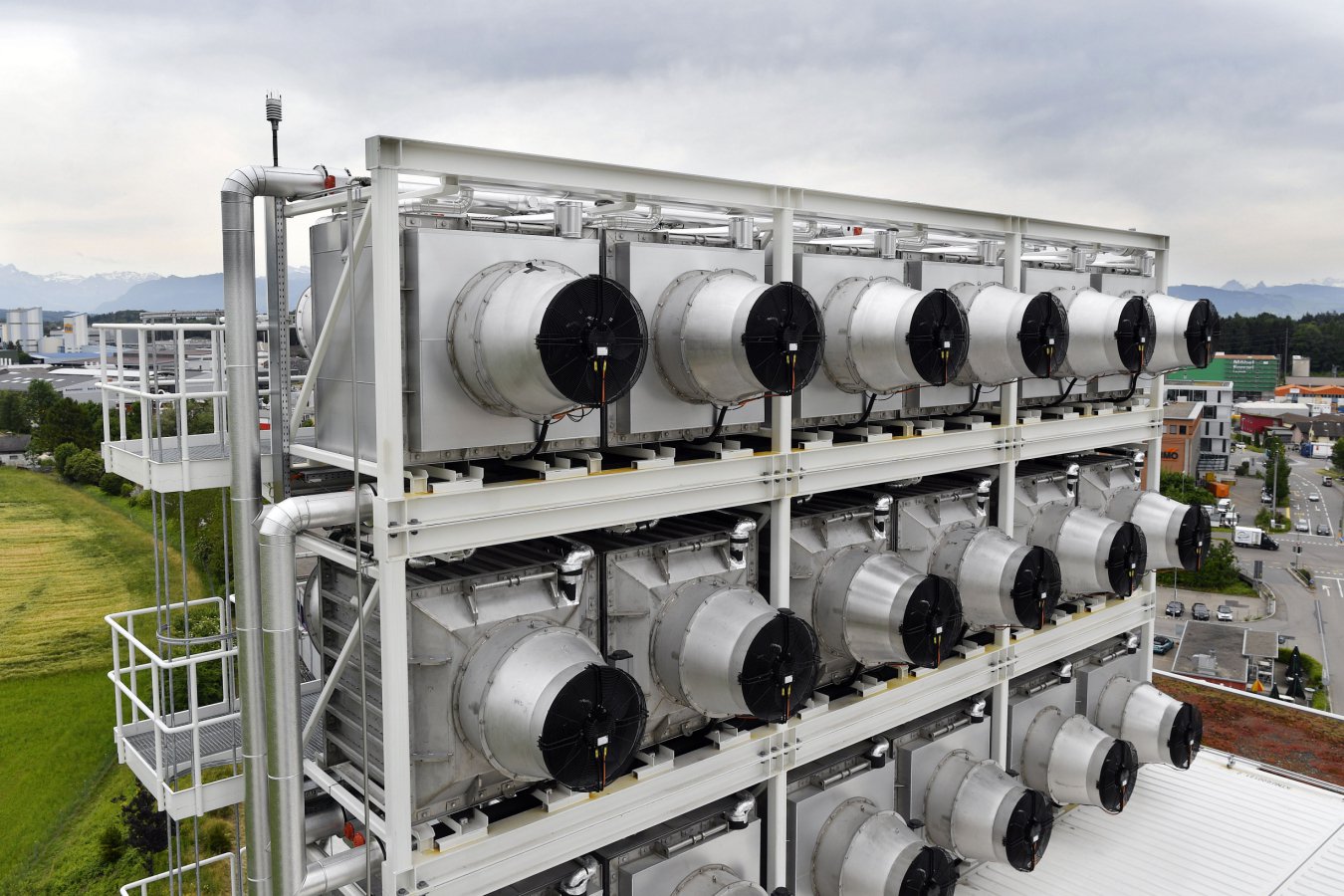
The COP31 climate summit in Antalya, Turkey is debating whether carbon dioxide removal and capture technologies can help reverse global warming after the world overshoots 1.5°C.
Draft negotiating text at the summit calls for global carbon capture to reach at least 500 million tonnes of CO₂ by 2035, with higher ambitions of 1.3 to 2.5 gigatonnes annually. These technologies include planting trees, extracting CO₂ directly from air and burying it underground, growing crops for energy while capturing emissions, and increasing ocean absorption of CO₂.
However, these technologies have never been deployed at the proposed scale. The Center for International Environmental Law reported on 16 November that 700 CCUS lobbyists are present at COP31, including 45 as part of national delegations. This exceeds the combined total of delegates from the smallest 50 national delegations.
Aakaluk Adrienne Blatchford, an Iñupiaq and Yupik advocate from Alaska and an observer at the summit, expressed concern that fossil fuel companies promote these technologies to continue extracting oil and gas. An investigation by ProPublica and Drilled found that oil and gas companies have funded climate research at US universities for over 30 years, supporting work on technologies enabling continued fossil fuel use.
James Kerry, a marine biologist at OceanCare, noted that scientific evidence supporting these technologies is growing but not yet robust. "Questions remain about how much additional atmospheric CO₂ might be removed and stored durably, and what ecological harms might arise," he said. Currently, the amount of CO₂ that can be removed and permanently stored is less than what a single large fossil fuel power plant emits annually.
Kwami Dodzi Kpondzo, a climate campaigner from Togo, raised concerns about bioenergy with carbon capture and storage, warning that vast land areas needed for biomass could cause community displacement, forest loss, and reduced food security.
According to Blatchford, Brazil, Denmark, the EU, Saudi Arabia and the UK are pushing for carbon dioxide removal in final negotiations, while small island developing states, Germany, Kenya and Mexico appear to object.