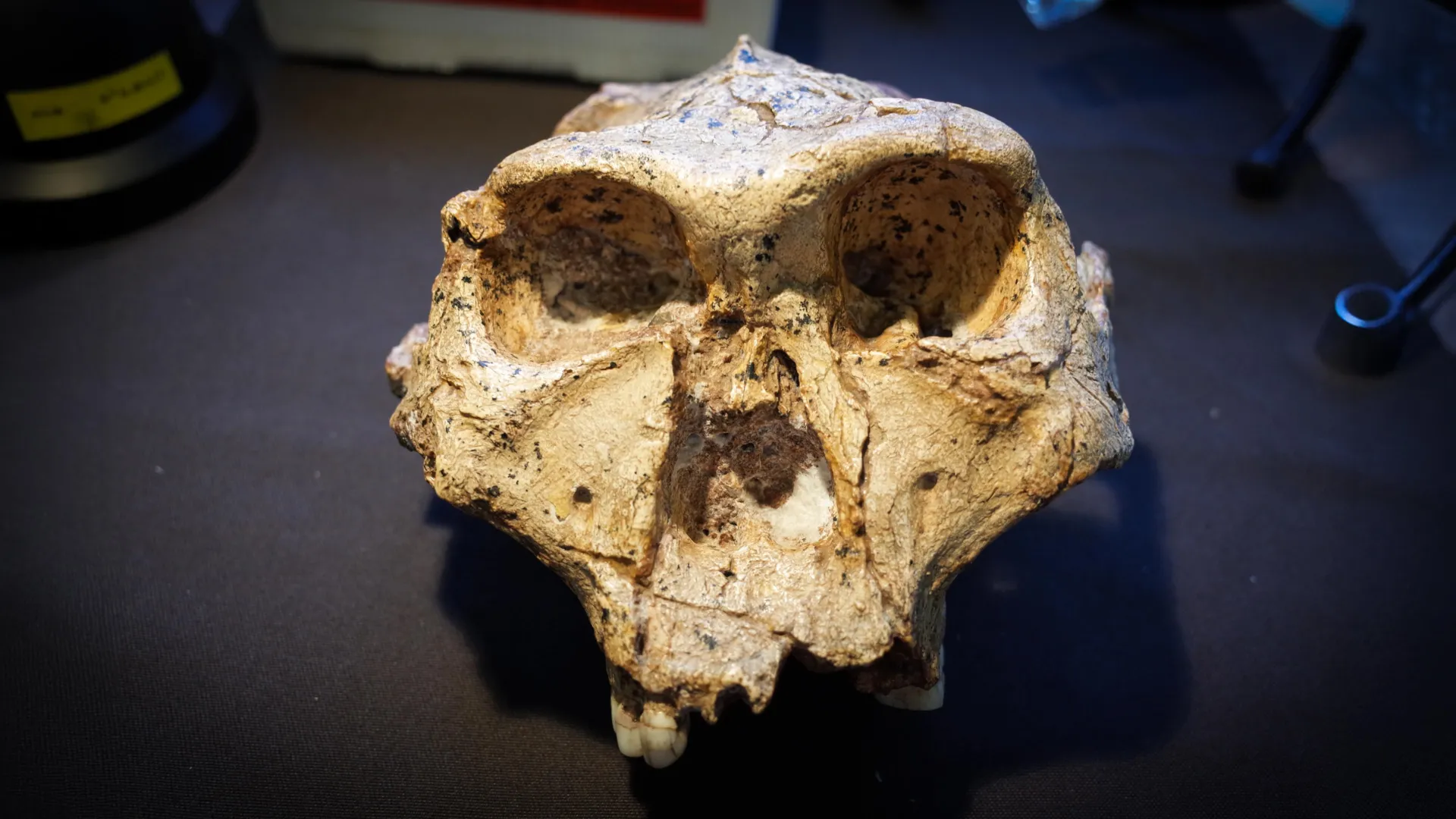
Researchers at Monash University propose expanding the genus Homo to include species traditionally classified as Australopithecus and Paranthropus, groups that lived over the past 4 to 5 million years. The study, published in the American Journal of Biological Anthropology, argues that existing classification boundaries between these groups have become difficult to justify as new fossil evidence emerges.
Dr. Ian Towle, a Research Fellow at the Monash Biomedicine Discovery Institute and lead author, notes that traits once thought to distinguish one group from another have increasingly been found across multiple groups. "Recent fossil discoveries and advances in evolutionary and genetic analysis make this an ideal time to reconsider whether our traditional taxonomy still accurately reflects human evolution," Towle said.
The current classification system relies partly on physical characteristics like brain size and behavioral traits like tool use. However, scientists have identified members of Homo with surprisingly small brains, and evidence suggests Australopithecus and Paranthropus likely displayed more complex behaviors than once assumed. These findings have weakened the boundaries separating the three groups.
Towle proposes that a broader Homo genus would recognize evolutionary connections among ancient relatives while still allowing scientists to distinguish among individual species. The change could also make human taxonomy more stable by accommodating the diversity revealed by ongoing fossil discoveries rather than repeatedly revising group boundaries.
"The more we learn about our ancestors and close fossil relatives, the more we realize how complex and non-linear our family tree is," Towle said. "Expanding the Homo genus to also include species of Australopithecus and Paranthropus will allow us to account for differences without regularly reclassifying particular groups."
The proposal remains a scientific argument rather than an officially adopted change.