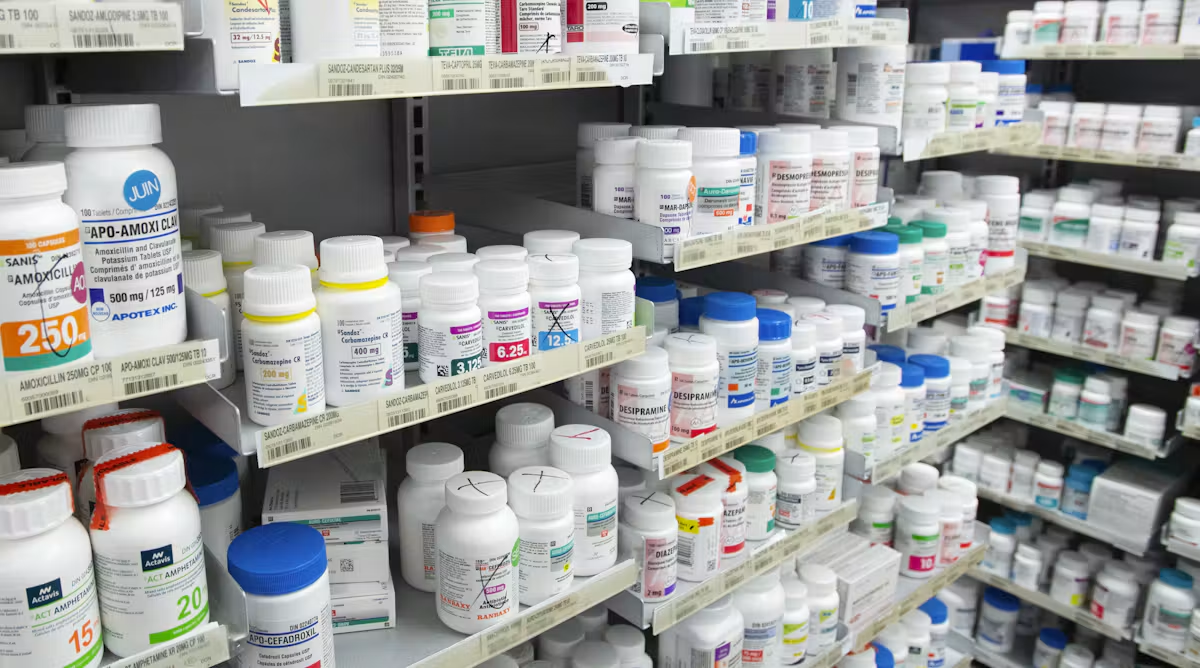
Ontario post-secondary students lost access to a provincial drug program when the government restricted eligibility in 2019. Because students are locked into mandatory school health plans and cannot opt out without comparable private insurance, they became ineligible for Ontario Health Insurance Plan Plus (OHIP+), which covers nearly 6,000 medications at no cost to residents under 25.
Researchers at McMaster University reviewed prescription drug plans across Ontario colleges and universities. G. Emmanuel Guindon and Tracy Xu documented cost-sharing components, contraceptive coverage, and exclusions, then compared student plans to OHIP coverage.
The review found substantial variation across institutions. Students paid anywhere from zero to 50 per cent of prescription costs, most commonly 20 per cent. Annual coverage limits ranged from $250 to $12,500. Northern Ontario colleges generally offered less comprehensive coverage with more restrictive criteria. None of the plans reviewed compared favorably with OHIP coverage.
Contraceptive coverage differed significantly. Some plans covered oral contraceptives but excluded devices and implants. Others imposed product-specific limits or provided no contraceptive coverage. The Society of Obstetricians and Gynaecologists of Canada identifies intrauterine devices as a first-line option for adolescents and young adults, creating a gap between clinical guidelines and insurance policies.
Treatments for smoking cessation, obesity, acne, infertility and erectile dysfunction were frequently excluded, capped, or restricted across student plans. OHIP, by contrast, covers prescription smoking cessation medications for those 18 and older plus up to one year of pharmacist-led counselling.
Research shows people use medications more when facing lower out-of-pocket costs and use them less when costs rise. A recent study in JAMA Pediatrics found that Ontario's 2018 universal coverage increased contraceptive dispensations, while the 2019 restrictions decreased them.
Public drug programs like OHIP operate more efficiently than private insurance through better revenue collection, risk sharing and administration. Shifting coverage to private student plans likely increased overall system costs and student premiums.